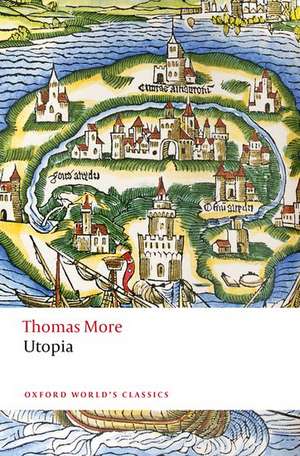
Utopia: Oxford World's Classics
Autor Thomas More Editat de Joanne Paulen Limba Engleză Paperback – 8 mai 2025
Recomandăm această ediție revizuită a lucrării Utopia ca referință fundamentală pentru studiile de licență în filozofie politică și istoria ideilor. Scrisă în limba latină în 1516, opera lui Thomas More rămâne textul care a dat numele unui întreg gen literar și filozofic, propunând o viziune radicală despre o societate fără proprietate privată și fără bani. Ediția de față se distinge prin modernizarea traducerii clasice realizate de G.C. Richards, oferind un text accesibil ce păstrează rigoarea și spiritul satiric al originalului.
Subliniem structura complexă a volumului, care depășește simpla narațiune a călătorului Raphael Hythloday. Textul este încadrat de un aparat critic valoros ce include corespondența lui More cu Erasmus și referințe la Republica lui Plato, facilitând înțelegerea contextului umanist în care a fost zămislită opera. Cititorii familiarizați cu Thomas More's Utopia de Lawrence Wilde vor aprecia în acest volum materialele auxiliare, precum secțiunile despre limba utopică și scrisorile către contemporani, care oferă o perspectivă directă asupra procesului de creație.
În contextul celorlalte scrieri ale autorului, precum Three Early Modern Utopias, acest volum evidențiază tranziția de la critica socială acerbă la construcția unui model teoretic de „commonwealth”. Progresia de la dialogul filosofic la descrierea detaliată a instituțiilor utopice — de la sistemul de rotație a locuințelor la organizarea muncii de șase ore pe zi — oferă o analiză profundă a tensiunii dintre interesul individual și cel colectiv.
Din seria Oxford World's Classics
-
 Preț: 65.48 lei
 -
 Preț: 54.65 lei
 -
 Preț: 58.99 lei
 -
 Preț: 37.13 lei
 - 17%
 Preț: 48.25 lei
 - 15%
 Preț: 50.79 lei
 -
 Preț: 59.42 lei
 - 18%
 Preț: 88.17 lei
 - 20%
 Preț: 51.19 lei
 - 11%
 Preț: 63.01 lei
 - 20%
 Preț: 50.48 lei
 -
 Preț: 80.28 lei
 -
 Preț: 58.52 lei
 - 17%
 Preț: 72.68 lei
 - 18%
 Preț: 52.92 lei
 - 18%
 Preț: 65.98 lei
 -
 Preț: 50.39 lei
 -
 Preț: 71.00 lei
 - 17%
 Preț: 61.15 lei
 - 15%
 Preț: 38.37 lei
 - 19%
 Preț: 35.22 lei
 -
 Preț: 52.53 lei
 - 18%
 Preț: 54.07 lei
 - 15%
 Preț: 107.37 lei
 - 17%
 Preț: 79.28 lei
 -
 Preț: 65.48 lei
 -
 Preț: 59.10 lei
 - 19%
 Preț: 58.10 lei
 - 9%
 Preț: 80.73 lei
 - 13%
 Preț: 53.65 lei
 -
 Preț: 54.11 lei
 - 19%
 Preț: 63.31 lei
 - 14%
 Preț: 45.28 lei
 - 14%
 Preț: 52.73 lei
 - 19%
 Preț: 68.92 lei
 -
 Preț: 66.81 lei
 - 20%
 Preț: 67.31 lei
 -
 Preț: 61.92 lei
 - 17%
 Preț: 49.22 lei
 - 12%
 Preț: 117.30 lei
 -
 Preț: 64.11 lei
 - 13%
 Preț: 60.55 lei
 -
 Preț: 80.95 lei
 - 12%
 Preț: 69.22 lei
 - 18%
 Preț: 64.98 lei
 -
 Preț: 52.48 lei
 -
 Preț: 72.97 lei
 - 18%
 Preț: 53.36 lei
 -
 Preț: 63.50 lei
 - 15%
 Preț: 63.51 lei
Preț: 51.69 lei
Preț vechi: 64.17 lei
-19%
Carte disponibilă
Livrare economică 06-11 noiembrie
Livrare express 21-27 octombrie pentru 28.83 lei
Specificații
ISBN-10: 019886020X
Pagini: 192
Dimensiuni: 130 x 195 x 10 mm
Greutate: 0.15 kg
Editura: OUP OXFORD
Colecția OUP Oxford
Seria Oxford World's Classics
Locul publicării:Oxford, United Kingdom
V-ar putea interesa
-
 Rosalind FranklinBrenda MaddoxPreț: 107.68 lei
 -
 Social IntelligenceDaniel Goleman-18%Preț: 76.87 lei93.99 lei
 -
 The Diversity of LifeEdward O. Wilson-19%Preț: 76.45 lei93.95 lei
 -
 Think: A Compelling Introduction to PhilosophySimon Blackburn-19%Preț: 76.33 lei93.70 lei
 -
 Teach Your Child How To ThinkEdward de Bono-19%Preț: 64.54 lei79.23 lei
 -
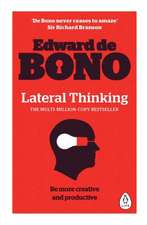 Lateral ThinkingEdward de Bono-19%Preț: 62.39 lei77.48 lei
 -
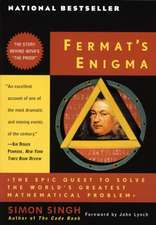 Fermat's EnigmaSimon SinghPreț: 101.50 lei
 -
 Naked StatisticsCharles WheelanPreț: 99.87 lei
 -
 A Doll's HouseHenrik IbsenPreț: 24.75 lei
 -
 The Scarlet LetterNathaniel HawthornePreț: 36.77 lei
 -
 Working with Emotional IntelligenceDaniel Goleman-26%Preț: 68.85 lei93.58 lei
 -
 Dangerous GamesMargaret MacmillanPreț: 109.56 lei
 -
 A Brief History of TimeStephen Hawking-19%Preț: 64.37 lei79.13 lei
 -
 A Shattered PeaceDavid A AndelmanPreț: 127.97 lei
 -
 50 Ethics Ideas You Really Need to KnowBen DuprePreț: 95.54 lei
 -
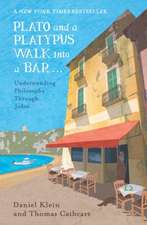 Plato and a Platypus Walk Into a BarDaniel KleinPreț: 65.59 lei
 -
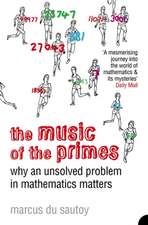 The Music of the PrimesMarcus Du SautoyPreț: 79.52 lei
 -
 Nature via NurtureMatt RidleyPreț: 92.14 lei
 -
 Seventeen Equations that Changed the WorldProfessor Ian Stewart-19%Preț: 69.65 lei85.47 lei
De ce să citești această carte
Această ediție este esențială pentru studenții și cercetătorii care doresc să exploreze rădăcinile gândirii politice moderne. Cititorul câștigă nu doar acces la un text clasic tradus modern, ci și un context istoric bogat prin scrisorile și notele incluse. Este o oportunitate de a înțelege cum o critică din secolul al XVI-lea asupra inegalității rămâne relevantă în dezbaterile contemporane despre dreptate socială.
Despre autor
Thomas More (1478-1535) a fost un om de stat englez, avocat și umanist de prim rang al Renașterii. Educat la Oxford și format în casa Cardinalului Morton, More a legat prietenii strânse cu mari gânditori precum Erasmus. A servit ca Lord Cancelar sub regele Henric al VIII-lea, însă integritatea sa morală și refuzul de a recunoaște supremația regelui asupra Bisericii au dus la execuția sa. Canonizat ulterior, More rămâne o figură centrală a istoriei intelectuale, Utopia fiind moștenirea sa cea mai influentă, o lucrare care îmbină erudiția clasică cu o viziune socială revoluționară.
Descriere
Notă biografică
Cuprins
- Introduction
- Note on the Text
- Select Bibliography
- A Chronology of Thomas More
- UTOPIA
- Glossary of Names
- Glossary of Terms and Phrases
- Explanatory Notes