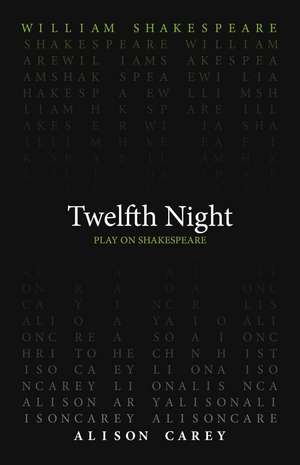
Twelfth Night: Play on Shakespeare
Autor William Shakespeare Traducere de Alison Careyen Limba Engleză Paperback – 7 mar 2024
SERIA Collins Classroom Classics aduce o perspectivă proaspătă asupra textelor canonice, iar acest volum, Twelfth Night, nu face excepție. Observăm cum această ediție reușește să transforme o piesă clasică de secol XVII într-un instrument de învățare adaptat nevoilor elevilor și studenților de astăzi. Ne-a atras atenția în mod deosebit modul în care textul original al lui William Shakespeare este încadrat de un aparat critic solid, care nu se rezumă doar la glosar, ci plonjează adânc în rădăcinile culturale ale epocii.
Structura volumului este una progresivă: după o introducere care stabilește coordonatele istorice, piesa este prezentată integral, fiind urmată de o secțiune fascinantă de „Contexte Culturale”. Aici, cititorii pot explora eseuri despre rolul muzicii în perioada elisabetană sau despre semnificația sărbătorii de a „Douăsprezecea Noapte”. Considerăm că această abordare este esențială pentru tinerii cititori care doresc să înțeleagă nu doar ce se întâmplă în comedie, ci și de ce anumite teme, precum travestiul sau identitatea fluidă, erau atât de relevante.
Comparativ cu alte lucrări ale autorului, cum ar fi The Tempest sau Much Ado About Nothing, această operă se distinge prin echilibrul fin între melancolie și farsă. Părinții care au citit cu plăcere Twelfth Night, Or, What You Will (ediția cu note de la World's Leading Center) vor aprecia și această versiune pentru modul în care clarifică limbajul arhaic prin note de subsol accesibile, fără a întrerupe ritmul lecturii. Este o resursă valoroasă care demonstrează că William Shakespeare rămâne actual prin explorarea onestă a naturii umane.
Din seria Play on Shakespeare
-
 Preț: 52.66 lei
 -
 Preț: 42.85 lei
 -
 Preț: 42.85 lei
 -
 Preț: 43.46 lei
 -
 Preț: 42.85 lei
 -
 Preț: 70.66 lei
 -
 Preț: 55.14 lei
 -
 Preț: 69.63 lei
 -
 Preț: 69.95 lei
 -
 Preț: 69.95 lei
 -
 Preț: 67.64 lei
 -
 Preț: 41.45 lei
 -
 Preț: 51.25 lei
 -
 Preț: 42.09 lei
 -
 Preț: 69.95 lei
 -
 Preț: 59.65 lei
 -
 Preț: 57.05 lei
 -
 Preț: 57.05 lei
 -
 Preț: 42.45 lei
 -
 Preț: 69.95 lei
 -
 Preț: 58.57 lei
 -
 Preț: 57.05 lei
 -
 Preț: 53.07 lei
 -
 Preț: 57.05 lei
 -
 Preț: 67.64 lei
 -
 Preț: 55.59 lei
 - 20%
 Preț: 55.70 lei
 - 20%
 Preț: 56.25 lei
 - 19%
 Preț: 57.46 lei
 - 24%
 Preț: 52.70 lei
 - 19%
 Preț: 57.60 lei
 - 20%
 Preț: 56.01 lei
 - nou
 Preț: 53.24 lei
 - 20%
 Preț: 56.25 lei
 - 22%
 Preț: 54.40 lei
 - 24%
 Preț: 52.10 lei
 - nou
 Preț: 57.35 lei
Preț: 53.98 lei
Carte disponibilă
Livrare economică 10-24 noiembrie
Specificații
ISBN-10: 0866988270
Pagini: 108
Dimensiuni: 127 x 197 x 13 mm
Greutate: 0.17 kg
Editura: ACMRS Press
Colecția ACMRS Press
Seria Play on Shakespeare
V-ar putea interesa
-
 Pride and PrejudiceJane AustenPreț: 28.01 lei
 -
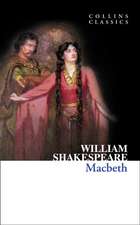 MacbethWilliam ShakespearePreț: 29.48 lei
 -
 The Secret GardenFrances Hodgson BurnettPreț: 28.01 lei
 -
 The TempestWilliam ShakespearePreț: 29.03 lei
 -
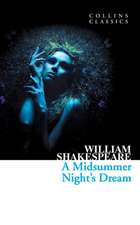 A Midsummer Night's DreamWilliam ShakespearePreț: 28.01 lei
 -
 The MartianAndy WeirPreț: 49.59 lei
 -
 Death of a SalesmanArthur Miller-28%Preț: 50.97 lei70.66 lei
 -
 AmadeusPeter Shaffer-21%Preț: 54.79 lei69.29 lei
 -
 A Streetcar Named DesireTennessee WilliamsPreț: 70.70 lei
 -
 Oxford School Shakespeare: Twelfth NightWilliam ShakespearePreț: 48.76 lei
 -
 AvengerFrederick Forsyth-30%Preț: 68.53 lei97.64 lei
 -
 Complete Dramatic WorksSamuel BeckettPreț: 144.12 lei
 -
 -35%Preț: 58.73 lei90.54 lei
 -
 Preț: 59.73 lei
 -
 -30%Preț: 57.02 lei81.19 lei
 -
 The NightingaleKristin Hannah-32%Preț: 50.21 lei73.42 lei
 -
 Apt Pupil: An iconic story from the No. 1 bestsellerStephen King-18%Preț: 57.71 lei70.52 lei
 -
 The Fall of the House of Usher (Special Edition)Edgar Allan PoePreț: 42.00 lei
 -
 Midsummer Night''s DreamWilliam ShakespearePreț: 35.95 lei
 -
 Pocket Tutor NeuroimagingRory Piper-5%Preț: 158.82 lei167.18 lei
 -
 The Old Man and the SeaHans-Christian OeserPreț: 51.00 lei
 -
 Preț: 138.32 lei
De ce să citești această carte
Recomandăm această ediție părinților care doresc să le ofere adolescenților o introducere prietenoasă în literatura engleză clasică. Dincolo de textul piesei, cititorul câștigă o înțelegere profundă a istoriei și culturii britanice prin eseurile incluse. Este o alegere excelentă pentru pregătirea examenelor sau pentru dezvoltarea unui vocabular elevat în limba engleză, transformând o lectură școlară într-o experiență de descoperire culturală.
Despre autor
William Shakespeare (1564–1616), supranumit „Bardul din Avon”, este considerat cel mai mare scriitor de limbă engleză și cel mai influent dramaturg al lumii. Opera sa vastă cuprinde 38 de piese de teatru și 154 de sonete, fiind tradusă în toate limbile moderne majore. Cariera sa de succes în Londra, ca actor și acționar al companiei Lord Chamberlain's Men, i-a permis să exploreze o gamă largă de genuri, de la comedii rafinate la tragedii profunde precum Hamlet sau Macbeth. Twelfth Night aparține perioadei sale de maturitate artistică în genul comediei, reflectând geniul său în crearea unor personaje complexe și a unor intrigi pline de spirit.
Descriere scurtă
Shakespeare’s Twelfth Night centers on power and love. One of the most perennially produced of Shakespeare’s comedies, it talks about shipwrecked twins, gender-bending romance, and a bumper crop of fools, from the wise to the ridiculous. Modernizing the language of the play, Alison Carey’s translation revives the joy of this comedy, taking the archaic humor and renewing it for a contemporary audience.
This translation of Twelfth Night was written as part of the Oregon Shakespeare Festival’s Play On! project, which commissioned new translations of thirty-nine Shakespeare plays. These translations present the work of “The Bard” in language accessible to modern audiences while never losing the beauty of Shakespeare’s verse. Enlisting the talents of a diverse group of contemporary playwrights, screenwriters, and dramaturges from diverse backgrounds, this project reenvisions Shakespeare for the twenty-first century. These volumes make these works available for the first time in print—a new First Folio for a new era.
Notă biografică
Descriere
Features of each edition include:
- The original introduction to the Kittredge Edition
- Editor’s Introduction to the Focus Edition. An overview on major themes of the plays, and sections on the play’s performance history on stage and screen.
- Explanatory Notes. The explanatory notes either expand on Kittredge’s superb glosses, or, in the case of plays for which he did not write notes, give the needed explanations for Shakespeare’s sometimes demanding language.
- Performance notes. These appear separately and immediately below the textual footnotes and include discussions of noteworthy stagings of the plays, issues of interpretation, and film and stage choices.
- How to read the play as Performance Section. A discussion of the written play vs. the play as performed and the various ways in which Shakespeare’s words allow the reader to envision the work "off the page."
- Comprehensive Timeline. Covering major historical events (with brief annotations) as well as relevant details from Shakespeare’s life. Some of the Chronologies include time chronologies within the plays.
- Topics for Discussion and Further Study Section. Critical Issues: Dealing with the text in a larger context and considerations of character, genre, language, and interpretative problems. Performance Issues: Problems and intricacies of staging the play connected to chief issues discussed in the Focus Editions’ Introduction.
- Select Bibliography & Filmography
- Film stills from major productions, for comparison and scene study.
Textul de pe ultima copertă
Recenzii
—John W. Mahon, Co-Editor, The Shakespeare Newsletter, and Professor of English, Iona College.
The differences between, and comparative merits of, various editorial series are suggested by the three editions of The Taming of the Shrew published this year. Laury Magnus's New Kittredge Shakespeare edition is, like the other New Kittredge volumes, a workable text for high school and first year college students interested in film and theater. The introduction elaborates on one theme — Elizabethan constructions of gender — and offers a very broad performance history, focusing on Sam Taylor's and Zeffirelli's film versions as well as adaptations such as Kiss Me Kate and Ten Things I Hate About You (accompanied by a still of ten hearthtrobs Heath Ledger and Julia Stiles). The volume is determined to eradicate any confusion that a first time reader of the play might experience: the dramatis personae page explains that "Bianca Minola" is "younger daughter to Baptista, wooed by Lucentio-in-disguise (as Cambio) and then wife to him, also wooed by the elderly Gremio and Hortensio-in-disguise (as Licio)" (p.1). Other editorial notes, based on Kittredge's own, are confined mostly to explaining individual words and phrases: additional footnotes discuss interpretive choices made by film and stage productions. Throughout, the editorial emphasis is on the play less as text than as performance piece, culminating in fifteen largely performance-oriented "study questions" on topics such as disguise, misogyny, and violence.
Studies in English Literature, Tudor and Stuart Drama, Volume 51, Spring 2011, Number 2, pages 497-499.
George Lyman Kittredge’s insightful editions of Shakespeare have endured in part because of this eclecticism, his diversity of interests, and his wide-ranging accomplishments—all of which are reflected in the valuable notes in each volume. The plays in the New Kittredge Shakespeare series retain the original Kittredge notes and introductions, changed or augmented only when some modernization seems necessary. These new editions also include introductory essays by contemporary editors, notes on the plays as they have been performed on stage and film, and additional student materials.
These plays are being made available by Focus Publishing with the permission of the Kittredge heirs.
Gayle Gaskill is professor of English at St. Catherine University in St. Paul, Minnesota. She has contributed articles to Who Hears in Shakespeare?: Auditory Worlds on Stage and Screen (Fairleigh Dickinson 2012), The Merchant of Venice: Critical Essays (Routledge 2002), The Shakespeare Newsletter, and the Greenwood Companion to Shakespeare. Her reviews have appeared in Renaissance Quarterly and Cahiers Élisabéthains.