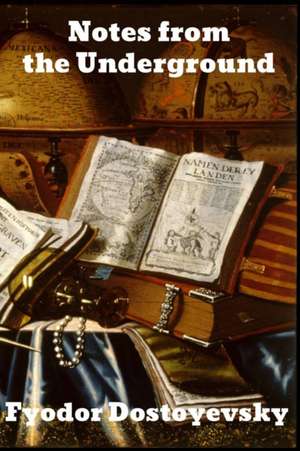
Notes from the Underground
Autor Fyodor Dostoyevskyen Limba Engleză Paperback – aug 1864
Înainte de a ne oferi amploarea metafizică din The Brothers Karamazov sau puritatea tragică din The Idiot, Fyodor Dostoyevsky a explorat cele mai întunecate unghere ale conștiinței umane în această nuvelă fundamentală. Notes from the Underground marchează un punct de cotitură în opera autorului, abandonând parțial sentimentalismul din lucrări timpurii precum White Nights în favoarea unei analize psihologice brutale și a unui cinism mușcător. Putem afirma că acest text nu este doar o ficțiune clasică, ci actul de naștere al existențialismului literar, oferind voce „omului din subterană” — un personaj care refuză să fie o simplă rotiță într-un mecanism social bine uns.
Notăm cu interes structura duală a cărții: prima parte funcționează ca un monolog interior dens, un atac asupra raționalismului și a ideii că omul va acționa întotdeauna spre binele său propriu. Cea de-a doua parte coboară în concret, relatând episoade de o umilință auto-indusă care explică izolarea protagonistului. Dacă The Metamorphosis and Other Stories de Franz Kafka v-a captivat prin explorarea alienării individului în fața absurdului, această carte extinde experiența în direcția unei revolte conștiente împotriva determinismului. Considerăm că stilul lui Fyodor Dostoyevsky atinge aici o intensitate rară; vocea naratorului este deopotrivă respingătoare și fascinantă, forțând cititorul să recunoască acele impulsuri iraționale pe care societatea încearcă să le ignore. Este o lectură care nu oferă confort, ci o oglindă necruțătoare a contradicțiilor umane.
Preț: 81.05 lei
Carte tipărită la comandă
Livrare economică 07-21 iulie
Specificații
ISBN-10: 1989708854
Pagini: 128
Dimensiuni: 152 x 229 x 7 mm
Greutate: 0.18 kg
Editura: Binker North
V-ar putea interesa
-
 Notes From UndergroundFyodor Dostoevsky-29%Preț: 49.74 lei69.94 lei
 -
 Critical MassPhilip Ball-24%Preț: 67.07 lei87.76 lei
 -
 Catch-22Joseph Heller-18%Preț: 60.13 lei73.06 lei
 -
 Notes from Underground and the DoubleFyodor DostoyevskyPreț: 78.82 lei
 -
 How the Mind WorksSteven Pinker-19%Preț: 98.77 lei122.14 lei
 -
 One Hundred Years of SolitudeGabriel Garcia Marquez-19%Preț: 58.62 lei72.14 lei
 -
 Notes from UndergroundFyodor DostoevskyPreț: 41.84 lei
 -
 The Metamorphosis and Other StoriesFranz Kafka-20%Preț: 22.57 lei28.32 lei
 -
 Notes From UndergroundFyodor Dostoevsky-27%Preț: 28.26 lei38.54 lei
 -
 Altered Carbon: Netflix Altered Carbon book 1Richard Morgan-26%Preț: 58.81 lei79.41 lei
 -
 Notes from the UndergroundFyodor Dostoevsky-12%Preț: 64.84 lei73.36 lei
 -
 Notes from Underground and the DoubleFyodor DostoyevskyPreț: 67.28 lei
 -
 Altered Carbon: Netflix Altered Carbon book 1Richard Morgan-26%Preț: 58.67 lei79.34 lei
 -
 Notes from UndergroundFyodor DostoyevskyPreț: 49.52 lei
 -
 Catch-22Joseph Heller-18%Preț: 59.85 lei72.89 lei
 -
 The Gulag ArchipelagoAleksandr Solzhenitsyn-24%Preț: 141.53 lei187.05 lei
 -
 DevilsFyodor DostoevskyPreț: 40.54 lei
 -
 Preț: 24.60 lei
 -
 UlyssesJames JoycePreț: 40.74 lei
 -
 A Portrait of the Artist as a Young ManJames JoycePreț: 36.34 lei
 -
 The Picture of Dorian GrayOscar WildePreț: 36.09 lei
De ce să citești această carte
Recomandăm această ediție Dover Thrift Editions cititorilor care doresc să înțeleagă rădăcinile filosofiei moderne și ale psihologiei abisale. Veți câștiga o perspectivă unică asupra luptei dintre logica rece și voința liberă, adesea distructivă. Este o lectură esențială pentru cei care caută profunzime intelectuală într-un format dens, oferind cheia de interpretare pentru toate marile romane dostoievskiene care i-au urmat.
Despre autor
Fyodor Dostoyevsky (1821–1881) este unul dintre cei mai influenți scriitori ai literaturii universale, opera sa explorând condiția umană în contextul spiritual și social tulburat al Rusiei secolului al XIX-lea. După o tinerețe marcată de studii militare și o condamnare la moarte comutată în exil în Siberia, el a revenit în literatură cu o forță psihologică fără precedent. Autor al unor capodopere precum The Brothers Karamazov și The Idiot, Dostoyevsky a împletit temele religioase cu dilemele filosofice, fiind considerat un precursor al existențialismului și un fin observator al patologiilor sufletului uman.
Descriere scurtă
Descriere
Published in 1864, Notes from Underground is considered the author's first masterpiece - the book in which he "became" Dostoevsky - and is seen as the source of all his later works. Richard Pevear and Larissa Volokhonsky, whose acclaimed translations of The Brothers Karamazov and Crime and Punishment have become the standard versions in English, now give us a superb new rendering of this early classic. Presented as the fictional apology and confession of the underground man - formerly a minor official of mid-nineteenth-century Russia, whom Dostoevsky leaves nameless, as one critic wrote, "because 'I' is all of us" - the novel is divided into two parts: the first, a half-desperate, half-mocking political critique; the second, a powerful, at times absurdly comical account of the man's breakaway from society and descent "underground." The book's extraordinary style - brilliantly violating literary conventions in ways never before attempted - shocked its first readers and still shocks many Russians today. This magnificent new translation captures for the first time all the stunning idiosyncrasy of the original.