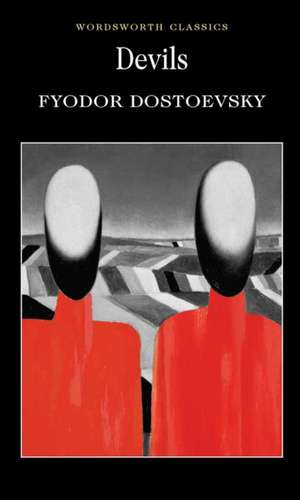
Devils: Wordsworth Classics
Autor Fyodor Dostoevsky Traducere de Constance Garnetten Limba Engleză Paperback – 5 ian 2010
Ce se întâmplă atunci când ideile abstracte devin mai prețioase decât viața umană? În Devils, Fyodor Dostoevsky explorează această întrebare printr-o narațiune densă, inspirată de un eveniment real violent: uciderea unui student de către camarazii săi radicali. Remarcăm cum autorul transformă un fapt divers într-o analiză profundă a spiritului uman posedat de ideologii distructive. Dacă în Crime and Punishment observăm izolarea unui singur individ, în această lucrare asistăm la o „epidemie” morală care cuprinde o întreagă comunitate. Imaginați-vă tensiunea psihologică din Demons, mutată într-un decor de provincie rusă unde nihilismul și raționalismul extrem devin forțe demonice. Structura romanului este una complexă, cu peste cincizeci de personaje, pendulând între satira tăioasă la adresa naivității revoluționare și tragedia metafizică. Figura centrală, Nikolay Stavrogin, rămâne unul dintre cele mai enigmatice portrete din literatura universală — un om a cărui carismă este dublată de un vid interior terifiant. Această ediție Wordsworth Classics oferă cititorului acces la capitolul cenzurat în care Stavrogin își mărturisește cele mai obscure păcate, element esențial pentru înțelegerea prăbușirii sale. Putem afirma că, față de satira socială din The Crocodile and Other Stories, aici autorul atinge o maturitate profetică, anticipând derivele politice ale secolului XX. Este o experiență de lectură care nu oferă confort, ci o confruntare directă cu fundamentele moralei noastre.
Din seria Wordsworth Classics
-
 Preț: 28.01 lei
 -
 Preț: 28.01 lei
 -
 Preț: 28.01 lei
 -
 Preț: 28.01 lei
 -
 Preț: 28.01 lei
 -
 Preț: 28.01 lei
 -
 Preț: 28.01 lei
 -
 Preț: 28.01 lei
 -
 Preț: 28.01 lei
 -
 Preț: 28.01 lei
 -
 Preț: 46.05 lei
 -
 Preț: 28.01 lei
 -
 Preț: 28.01 lei
 -
 Preț: 28.01 lei
 -
 Preț: 28.01 lei
 -
 Preț: 28.01 lei
 -
 Preț: 25.87 lei
 -
 Preț: 31.55 lei
 -
 Preț: 28.01 lei
 -
 Preț: 28.01 lei
 -
 Preț: 28.01 lei
 -
 Preț: 28.01 lei
 -
 Preț: 28.01 lei
 -
 Preț: 28.01 lei
 -
 Preț: 28.01 lei
 -
 Preț: 28.01 lei
 -
 Preț: 28.01 lei
 -
 Preț: 28.01 lei
 -
 Preț: 28.01 lei
 -
 Preț: 28.01 lei
 -
 Preț: 28.01 lei
 -
 Preț: 28.01 lei
 -
 Preț: 28.01 lei
 -
 Preț: 28.01 lei
 -
 Preț: 28.01 lei
 -
 Preț: 28.01 lei
 -
 Preț: 28.01 lei
 -
 Preț: 28.01 lei
 -
 Preț: 28.01 lei
 -
 Preț: 28.01 lei
 -
 Preț: 28.01 lei
 -
 Preț: 28.01 lei
 -
 Preț: 28.01 lei
 -
 Preț: 28.01 lei
 -
 Preț: 28.01 lei
 -
 Preț: 28.01 lei
 -
 Preț: 28.01 lei
 -
 Preț: 28.01 lei
 -
 Preț: 28.01 lei
 -
 Preț: 28.01 lei
Preț: 40.48 lei
Carte disponibilă
Livrare economică 05-19 noiembrie
Livrare express 21-27 octombrie pentru 31.25 lei
Specificații
ISBN-10: 1840220996
Pagini: 720
Dimensiuni: 128 x 198 x 43 mm
Greutate: 0.45 kg
Ediția:2. Auflage
Editura: WORDSWORTH EDITIONS LTD
Colecția Wordsworth Classics
Seria Wordsworth Classics
V-ar putea interesa
-
 DemonsFyodor Dostoevsky-28%Preț: 68.68 lei95.23 lei
 -
 Notes From UndergroundFyodor Dostoevsky-27%Preț: 51.59 lei71.05 lei
 -
 Poet in New YorkFederico García Lorca-19%Preț: 75.77 lei93.36 lei
 -
 DemonsFyodor DostoyevskyPreț: 97.82 lei
 -
 How the Mind WorksSteven Pinker-18%Preț: 101.68 lei123.90 lei
 -
 Notes from the Underground, and The GamblerFyodor DostoevskyPreț: 53.56 lei
 -
 DevilsFyodor _ DostoevskyPreț: 70.05 lei
 -
 Preț: 45.77 lei
 -
 Japanese Ghost StoriesLafcadio Hearn-19%Preț: 58.52 lei71.93 lei
 -
 Japanese Ghost StoriesLafcadio Hearn-26%Preț: 58.39 lei78.80 lei
 -
 Yankees in PetrogradJill RoesePreț: 141.86 lei
 -
 Notes from the UndergroundFyodor Dostoyevsky-19%Preț: 23.30 lei28.69 lei
 -
 The Brothers KaramazovFyodor DostoyevskyPreț: 54.05 lei
 -
 The IdiotFyodor DostoyevskyPreț: 49.31 lei
 -
 DemonsFyodor DostoyevskyPreț: 138.39 lei
 -
 Dostoevsky's "The Devils": A Critical CompanionWilliam J. LeatherbarrowPreț: 163.63 lei
 -
 No Longer HumanOsamu DazaiPreț: 85.29 lei
 -
 A Little LifeHanya Yanagihara-35%Preț: 53.86 lei82.65 lei
 -
 Karamazov BrothersFyodor DostoevskyPreț: 42.59 lei
 -
 Crime and PunishmentFyodor DostoevskyPreț: 39.53 lei
 -
 Notes From Underground & Other StoriesFyodor DostoevskyPreț: 41.21 lei
 -
 The House of the Dead / The GamblerFyodor DostoevskyPreț: 38.45 lei
 -
 Humiliated and Insulted: New TranslationFyodor DostoevskyPreț: 66.89 lei
 -
 The IdiotFyodor DostoevskyPreț: 40.12 lei
 -
 Crime and PunishmentFyodor DostoyevskyPreț: 57.23 lei
 -
 Preț: 107.34 lei
 -
 No Longer Human: A New TranslationOsamu DazaiPreț: 71.13 lei
De ce să citești această carte
Recomandăm această carte celor care vor să înțeleagă rădăcinile psihologice ale radicalismului politic. Cititorul câștigă o perspectivă unică asupra modului în care ideologiile pot altera conștiința, totul prin penița unui maestru al introspecției. Este o lectură esențială pentru a vedea cum Fyodor Dostoevsky a anticipat crizele morale ale modernității, oferind în același timp un studiu de caracter fascinant prin personajul Stavrogin.
Despre autor
Fyodor Dostoevsky (1821-1881) este recunoscut drept unul dintre titanii literaturii universale, explorând cu o intensitate fără precedent abisurile psihologiei umane. Experiența sa în coloniile penitenciare din Siberia, reflectată în The House of the Dead, i-a șlefuit viziunea asupra suferinței și mântuirii. Autor al unor capodopere precum The Brothers Karamazov și The Idiot, el a reușit să îmbine temele teologice cu analiza socială. În Devils, Dostoevsky își folosește geniul pentru a critica mișcările radicale ale epocii sale, rămânând până astăzi un reper pentru literatura existențialistă.
Descriere
Translated by Constance Garnett with an Introduction by A.D.P. Briggs.
In 1869 a young Russian was strangled, shot through the head and thrown into a pond. His crime? A wish to leave a small group of violent revolutionaries, from which he had become alienated. Dostoevsky takes this real-life catastrophe as the subject and culmination of Devils, a title that refers the young radicals themselves and also to the materialistic ideas that possessed the minds of many thinking people Russian society at the time.
The satirical portraits of the revolutionaries, with their naivety, ludicrous single-mindedness and readiness for murder and destruction, might seem exaggerated - until we consider their all-too-recognisable descendants in the real world ever since. The key figure in the novel, however, is beyond politics. Nikolay Stavrogin, another product of rationalism run wild, exercises his charisma with ruthless authority and total amorality. His unhappiness is accounted for when he confesses to a ghastly sexual crime - in a chapter long suppressed by the censor.
This prophetic account of modern morals and politics, with its fifty-odd characters, amazing events and challenging ideas, is seen by some critics as Dostoevsky's masterpiece.
Recenzii
revolutionary and terrorist psychology.