
Letters to a Young Poet: Penguin Little Black Classics
Autor Rainer Maria Rilke Traducere de Charlie Louthen Limba Engleză Paperback – 3 mar 2016
Imagineați-vă un tânăr student la o academie militară, Franz Kappus, deschizând cu tremur o scrisoare venită de la unul dintre cei mai intenși poeți ai Europei. Ceea ce a început ca o simplă cerere de critică literară s-a transformat într-o revelație care depășește granițele esteticii: această biografie epistolară dezvăluie că actul de a scrie este, în esență, un act de a fi. Remarcăm cum Rainer Maria Rilke nu oferă tehnici de versificație, ci propune o ucenicie în singurătate și răbdare. El mută centrul de greutate de la validarea externă către „profunzimile ascunse ale inimii”, transformând vulnerabilitatea în sursă de putere. Suntem de părere că această corespondență funcționează ca un manual de reziliență spirituală, unde artistul este îndemnat să se coacă precum un pom care nu își forțează seva, înfruntând furtunile primăverii fără teama că vara ar putea să nu mai vină. Stilul este de o intimitate luminoasă, transformând concepte abstracte precum „vocația” în experiențe senzoriale și organice. Letters to a Young Poet se așază firesc pe același raft cu Letters on Life, dar cu un accent pe rigoarea solitudinii necesare creației, mai degrabă decât pe filozofia generală de viață. În contextul operei sale, dacă Sonnets to Orpheus reprezintă culmea lirismului său mistic, aceste scrisori sunt fundația etică a acelei viziuni. Este o lucrare de tranziție între tradiție și modernism, unde izolarea nu este o pedeapsă, ci un laborator al sinelui.
Din seria Penguin Little Black Classics
- 38%
 Preț: 17.63 lei
- 38%
 Preț: 17.54 lei
- 31%
 Preț: 16.19 lei
- 31%
 Preț: 16.23 lei
- 36%
 Preț: 18.64 lei
- 36%
 Preț: 18.54 lei
- 39%
 Preț: 17.43 lei
- 38%
 Preț: 17.66 lei
- 31%
 Preț: 16.19 lei
- 21%
 Preț: 16.18 lei
- 21%
 Preț: 16.18 lei
- 38%
 Preț: 17.67 lei
- 38%
 Preț: 17.63 lei
- 38%
 Preț: 17.63 lei
- 38%
 Preț: 17.64 lei
- 38%
 Preț: 17.60 lei
- 30%
 Preț: 11.14 lei
- 20%
 Preț: 16.39 lei
- 38%
 Preț: 17.60 lei
- 39%
 Preț: 17.44 lei
- 39%
 Preț: 17.44 lei
- 38%
 Preț: 17.66 lei
- 39%
 Preț: 17.44 lei
- 38%
 Preț: 17.60 lei
- 39%
 Preț: 17.48 lei
-
 Preț: 27.99 lei
- 38%
 Preț: 17.63 lei
- 31%
 Preț: 16.23 lei
- 38%
 Preț: 17.63 lei
- 31%
 Preț: 16.25 lei
- 38%
 Preț: 17.67 lei
- 38%
 Preț: 17.70 lei
- 38%
 Preț: 17.67 lei
- 30%
 Preț: 11.14 lei
- 37%
 Preț: 18.43 lei
- 36%
 Preț: 18.70 lei
- 38%
 Preț: 17.67 lei
- 36%
 Preț: 18.64 lei
- 38%
 Preț: 17.69 lei
- 37%
 Preț: 18.43 lei
- 21%
 Preț: 16.18 lei
- 39%
 Preț: 17.30 lei
- 38%
 Preț: 17.57 lei
- 31%
 Preț: 16.18 lei
- 37%
 Preț: 18.29 lei
- 39%
 Preț: 17.44 lei
- 21%
 Preț: 16.18 lei
- 38%
 Preț: 17.64 lei
- 31%
 Preț: 16.19 lei
Preț: 17.67 lei
Preț vechi: 28.48 lei
-38%
Carte disponibilă
Livrare economică 20 noiembrie-01 decembrie
Livrare express 03-07 noiembrie pentru 23.43 lei
Specificații
ISBN-10: 0241252059
Pagini: 64
Dimensiuni: 108 x 156 x 8 mm
Greutate: 0.06 kg
Editura: Penguin Books
Colecția Penguin Little Black Classics
Seria Penguin Little Black Classics
Locul publicării:London, United Kingdom
V-ar putea interesa
-
 The Heart and the BottleOliver JeffersPreț: 57.72 lei
-
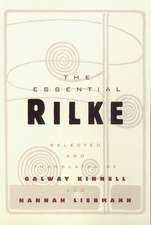 Essential Rilke, TheGalway KinnellPreț: 93.99 lei
-
 London LoreSteve Roud-16%Preț: 92.93 lei110.97 lei
-
 QuietSusan Cain-18%Preț: 65.11 lei79.59 lei
-
 The Body Keeps the Score: Mind, Brain and Body in the Transformation of TraumaBessel van der Kolk-27%Preț: 79.76 lei109.10 leiRecomandat
-
 How to Develop Emotional HealthOliver James-40%Preț: 47.31 lei78.63 lei
-
 My Life Had Stood a Loaded GunEmily Dickinson-38%Preț: 17.63 lei28.47 lei
-
 Anecdotes of the CynicsRobert Dobbin-38%Preț: 17.63 lei28.47 lei
-
 -38%Preț: 17.63 lei28.47 lei
-
 Ways of CuratingHans Ulrich ObristPreț: 78.13 lei
-
 The GoldfinchDonna Tartt-22%Preț: 86.84 lei111.65 lei
-
 Songs of Innocence and Songs of ExperienceWilliam BlakePreț: 24.96 lei
-
 I Remember Nothing: And other reflectionsNora Ephron-18%Preț: 59.33 lei72.08 lei
-
 Art in Theory 1900-2000 - An Anthology of Changing Ideas 2eCharles HarrisonPreț: 315.21 lei
-
 Everyday Super FoodJamie Oliver-19%Preț: 169.35 lei209.32 lei
-
 -35%Preț: 37.44 lei57.64 lei
-
 The Tales of Beedle the Bard: New EditionJ. K. RowlingPreț: 57.20 lei
-
 Milk and HoneyRupi Kaur-18%Preț: 76.17 lei93.11 lei
-
 How to Be a WildflowerKatie Daisy-8%Preț: 101.93 lei110.87 lei
-
 If You Find MeEmily Murdoch-26%Preț: 52.65 lei71.15 lei
De ce să citești această carte
Recomandăm această carte oricui se află la un răscruce de drumuri, nu doar tinerilor poeți. Este un ghid esențial despre cum să cultivi o viață interioară bogată într-o lume zgomotoasă. Cititorul câștigă o perspectivă profundă asupra răbdării și învață că momentele de singurătate sunt, de fapt, spații de creștere. Este, în esență, o invitație la a trăi întrebările vieții înainte de a căuta răspunsurile.
Despre autor
Rainer Maria Rilke (1875–1926) a fost un poet și romancier austriac, considerat unul dintre cei mai importanți scriitori de limbă germană ai secolului XX. Opera sa, marcată de un misticism profund și o intensitate lirică rară, explorează teme precum dificultatea comuniunii cu inefabilul, moartea și singurătatea. Călătoriile sale prin Europa și prietenia cu sculptori precum Rodin i-au influențat radical viziunea artistică. Printre cele mai cunoscute lucrări ale sale se numără „Elegiile duineze” și „Sonetele către Orfeu”, Rilke rămânând o figură centrală care face trecerea de la lirica tradițională la modernismul marcat de anxietate și introspecție.
Notă biografică
Descriere scurtă
A hugely influential collection for writers and artists of all kinds, Rilke's profound and lyrical letters to a young friend advise on writing, love, sex, suffering and the nature of advice itself.
One of 46 new books in the bestselling Little Black Classics series, to celebrate the first ever Penguin Classic in 1946. Each book gives readers a taste of the Classics' huge range and diversity, with works from around the world and across the centuries - including fables, decadence, heartbreak, tall tales, satire, ghosts, battles and elephants.
Descriere
In 1902, a nineteen-year-old aspiring poet named Franz Kappus wrote to Rilke, then twenty-six, seeking advice on his poetry. Kappus, a student at a military academy in Vienna similar to the one Rilke had attended, was about to embark on a career as an officer, for which he had little inclination. Touched by the innocence and forthrightness of the student, Rilke responded to Kappus' letter and began an intermittent correspondence that would last until 1908.
Letters to a Young Poet collects the ten letters that Rilke wrote to Kappus. A book often encountered in adolescence, it speaks directly to the young. Rilke offers unguarded thoughts on such diverse subjects as creativity, solitude, self-reliance, living with uncertainty, the shallowness of irony, the uselessness of criticism, career choices, sex, love, God, and art. Letters to a Young Poet is, finally, a life manual. Art, Rilke tells the young poet in his final letter to him, is only another way of living.
With the same artistry that marks his widely acclaimed translations of Kafka's The Castle and Amerika: The Missing Person, Mark Harman captures the lyrical and spiritual dimensions of Rilke's prose. In his introduction, he provides biographical contexts for the reader and discusses the challenges of translating Rilke. This lovely hardcover edition makes a perfect gift for any young person starting out in life or for those interested in finding a clear articulation of Rilke's thoughts on life and art.
Extras
February 17, 1903
Dear Sir,
Your letter arrived just a few days ago. I want to thank you for the great confidence you have placed in me. That is all I can do. I cannot discuss your verses; for any attempt at criticism would be foreign to me. Nothing touches a work of art so little as words of criticism: they always result in more or less fortunate misunderstandings. Things aren't all so tangible and sayable as people would usually have us believe; most experiences are unsayable, they happen in a space that no word has ever entered, and more unsayable than all other things are works of art, those mysterious existences, who life endures beside our own small, transitory life.
With this note as a preface, may I just tell you that your verses have no style of their own, although they do have silent and hidden beginnings or something personal. I feel this most clearly in the last poem, "My Soul." There, something of your own is trying to become word and melody. And in the lovely poem "To Leopardi" a kind of kinship with that great, solitary figure does perhaps appear. Nevertheless, the poems are not yet anything in themselves, not yet anything independent, even the last one and the one to Leopardi. Your kind letter, which accompanied them, managed to make clear to me various fault that I felt in reading your verses, though I am not able to name them specifically.
You ask whether your verses are any good. You ask me. You have asked others before this. You send them to magazines. You compare them with other poems, and you are upset when certain editors reject your work. Now (since you have said you want my advice) I beg you to stop doing that sort of thing. You are looking outside, and that is what you should most avoid right now. No one can advise you or help you -- no one. There is only one thing you should do. Go into yourself. Find out the reason that commands you to write; see whether it has spread its root into the very depths of your heart; confess to yourself whether you would have to die if you were forbidden to write. This most of all: ask yourself in the most silent hour of your night: must I write? Dig into yourself for a deep answer. And is this answer rings out in assent, if you meet this solemn question with a strong, simple "I must," then build your life in accordance with this necessity; your whole life, even into its humblest and most indifferent hour, must become a sign and witness to this impulse.
From the Hardcover edition.
Recenzii
“I cannot think of a better book to put into the hands of any young would-be poet, as an inspirational guide to poetry and to surviving as a poet in a hostile world.”
—Harry Fainlight, The Times (London)
“I read Rilke’s Letters to a Young Poet every day.”
—Lady Gaga