Cărți de Euripides

Euripides (; Ancient Greek: Εὐριπίδης Eurīpídēs, pronounced[eu̯.riː.pí.dɛːs]; c.480– c.406 BC) was a tragedian of classical Athens. Along with Aeschylus and Sophocles, he is one of the three ancient Greek tragedians for whom any plays have survived in full. Some ancient scholars attributed ninety-five plays to him, but the Suda says it was ninety-two at most. Of these, eighteen or nineteen have survived more or less complete (Rhesus is suspect). There are many fragments (some substantial) of most of his other plays. More of his plays have survived intact than those of Aeschylus and Sophocles together, partly because his popularity grew as theirs declined—he became, in the Hellenistic Age, a cornerstone of ancient literary education, along with Homer, Demosthenes, and Menander.
Euripides is identified with theatrical innovations that have profoundly influenced drama down to modern times, especially in the representation of traditional, mythical heroes as ordinary people in extraordinary circumstances. This new approach led him to pioneer developments that later writers adapted to comedy, some of which are characteristic of romance. He also became "the most tragic of poets", focusing on the inner lives and motives of his characters in a way previously unknown. He was "the creator of ... that cage which is the theatre of Shakespeare's Othello, Racine's Phèdre, of Ibsen and Strindberg," in which "imprisoned men and women destroy each other by the intensity of their loves and hates". But he was also the literary ancestor of comic dramatists as diverse as Menander and George Bernard Shaw.
His contemporaries associated him with Socrates as a leader of a decadent intellectualism. Both were frequently lampooned by comic poets such as Aristophanes. Socrates was eventually put on trial and executed as a corrupting influence. Ancient biographies hold that Euripides chose a voluntary exile in old age, dying in Macedonia, but recent scholarship casts doubt on these sources.
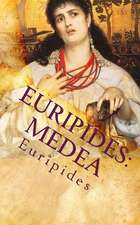
Medea
Medea and Other Plays
Greek Tragedy
An Oresteia
Euripides
Euripides Plays: 5: Andromache; Herakles' Children and Herakles
Heracles and Other Plays
Euripides Plays: 4: Elektra; Orestes and Iphigeneia in Tauris
Ten Plays by Euripides
The Trojan Women and Other Plays
Orestes
Electra and Other Plays
Andromache, Hecuba, Trojan Women
The Orestes Plays
Bacchae and Other Plays
Electra
Hecuba
Orestes and Other Plays
Andromache
Euripides II: Andromache, Hecuba, The Suppliant Women, Electra
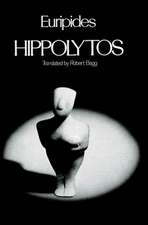
Hippolytos
Suppliant Women
The Complete Euripides: Volume IV: Bacchae and Other Plays
Bacchae: Also Includes in a Little World of Our Own
Hippolytus
Euripides - Plays - Vol I
After the Trojan War: Women of Troy / Hecuba / Helen
Hecuba
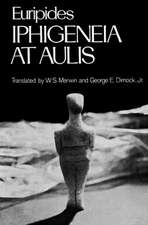
Iphigenia at Aulis
Three Plays
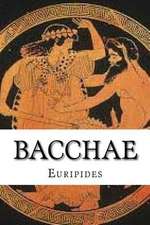
Bacchae
The Trojan Women
Euripides Plays: 1 : Medea; the Phoenician Women; Bacchae
Euripides Plays: 6: Hippolytos; Suppliants and Rhesos
Grief Lessons

Alcestis
Ion
The Iphigenia in Tauris of Euripides
Euripides Plays: 3: Alkestis; Helen; Ion
The Bacchae of Euripides: A New Version
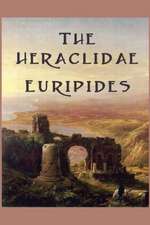
The Heraclidae
Euripides V: Bacchae, Iphigenia in Aulis, The Cyclops, Rhesus
The Phoenician Women
Elektra
Euripides Plays: 2: Cyclops; Hecuba; Iphigenia in Aulis; Trojan Women
Iph...

Alcestis: A Tale of Oklahoma Boyhood
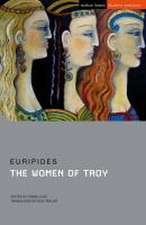
The Women of Troy
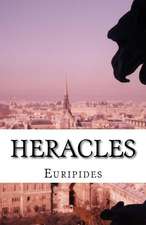
Heracles
Iphigenia
Helen
Iphigeneia in Tauris
Bacchai
The Electra of Euripides Translated Into English Rhyming Verse: Theodore Roosevelt, Supplement
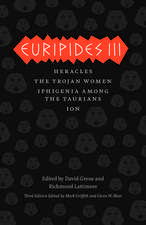
Euripides III: Heracles, The Trojan Women, Iphigenia among the Taurians, Ion
The Trojan Women of Euripides
Rhesos
Euripides - Plays - Vol II
Euripides IV: Helen, The Phoenician Women, Orestes
Iphigeneia at Aulis
The Rhesus
The Children of Herakles
Cyclops
The Tragedies of Euripides, Volume I.
The Bacchae of Euripides
Odysseus at Troy: Ajax, Hecuba and Trojan Women
Greek Tragedy: Antigone/Medea/Bacchae
The Phoenissae
Iphigenia in Tauris
Hippolytus/The Bacchae
Contemporary Indigenous Plays: Bitin' Back; Black Medea; King Hit; Rainbow's End; Windmill Baby
The Phoenician Virgins
Trojan Women, Helen, Hecuba: Three Plays about Women and the Trojan War
Euripides: Four Plays: Medea/Hippolytus/Heracles/Bacchae
Iphigenia among the Taurians
Phaethon
The Hecuba, Orestes, Phoenician Virgins, And Medea Of Euripides (1837)
The Hecuba Of Euripides (1865)

Bacchae
Iphigenia in Tauris, Alone by the Shore
Thetrojan Women Tears Ol War
Bacchantes (1888)
The Cyclops Of Euripides (1900)
The Phoenissae Of Euripides
The Alcestis Of Euripides
Scenes From Euripides
The Iphigenia In Tauris Of Euripides (1915)
Iphigenia in Aulis
Three Plays of Euripides
The Iphigeneia At Aulis Of Euripides (1896)
The Heracleidae Of Euripides (1882)
The Greek Tragedies: Seventeen Plays by Aeschylus, Sophocles, and Euripides
The Suppliants
Crazed Women (the Bakkai)
A Time to Die & a Time to Live
- 1
- 2