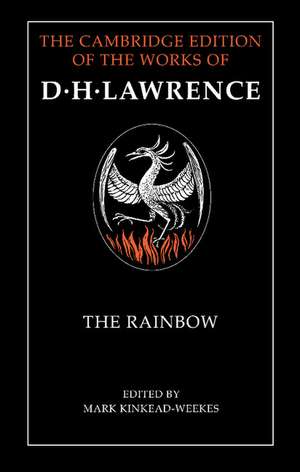
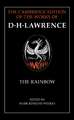
The Rainbow: The Cambridge Edition of the Works of D. H. Lawrence
Autor D. H. Lawrence Editat de Mark Kinkead-Weekesen Limba Engleză Hardback – 8 mar 1989
Suntem de părere că puține romane reușesc să captureze atât de visceral miza emancipării individuale precum o face The Rainbow. În centrul acestei saga de familie se află Ursula Brangwen, a cărei luptă pentru a-și afirma identitatea la granița dintre tradiția rurală și modernitatea urbană devine o căutare a „triumfului infinitului”. Lawrence nu scrie doar o cronică socială, ci o explorare psihologică profundă a modului în care legăturile de sânge și pasiunile erotice modelează spiritul uman pe parcursul a trei generații.
Merită menționat că autorul sfidează convențiile lingvistice ale epocii sale, integrând o imagistică biblică densă într-o narațiune despre dorință și conflict generațional. Ritmul lecturii este unul contemplativ, dar încărcat de o tensiune latentă, reflectând tranziția Angliei de la o societate agrară la una industrială. Această ediție de la WORDSWORTH EDITIONS LTD păstrează forța brută a textului care, în 1915, a fost considerat prea subversiv pentru rafturile librăriilor.
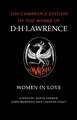
The Rainbow amintește de Rainbow Rainbow de Mary J. Greene prin structura sa genealogică și focusul pe familia de fermieri din Midlands, dar se diferențiază prin intensitatea poetică a prozei și prin radicalismul cu care Lawrence analizează fuziunea dintre fizic și spiritual. Față de Sons and Lovers, unde explorarea relațiilor mamă-fiu este aproape sufocantă, acest roman lărgește perspectiva, pregătind terenul pentru temele din Women in Love. Este o operă fundamentală pentru a înțelege viziunea lui D. H. Lawrence asupra vitalității umane strivite de mecanismele civilizației moderne.
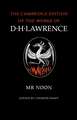
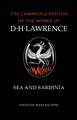
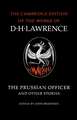
Din seria The Cambridge Edition of the Works of D. H. Lawrence
-
 Preț: 488.98 lei
 -
 Preț: 484.24 lei
 -
 Preț: 479.19 lei
 -
 Preț: 483.33 lei
 -
 Preț: 488.50 lei
 -
 Preț: 501.88 lei
 -
 Preț: 495.17 lei
 -
 Preț: 440.41 lei
 -
 Preț: 400.92 lei
 -
 Preț: 461.55 lei
 -
 Preț: 463.76 lei
 -
 Preț: 500.20 lei
 -
 Preț: 463.60 lei
 -
 Preț: 463.38 lei
 -
 Preț: 480.92 lei
 -
 Preț: 273.83 lei
 - 23%
 Preț: 1224.26 lei
 -
 Preț: 492.03 lei
 -
 Preț: 474.78 lei
 -
 Preț: 477.31 lei
 -
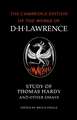 Preț: 485.15 lei
 -
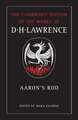 Preț: 418.10 lei
 -
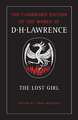 Preț: 444.09 lei
 -
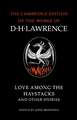 Preț: 469.42 lei
 -
 Preț: 463.23 lei
 - 23%
 Preț: 908.00 lei
 -
 Preț: 302.48 lei
 -
 Preț: 278.82 lei
 -
 Preț: 350.36 lei
 -
 Preț: 297.24 lei
 -
 Preț: 285.05 lei
 -
 Preț: 280.32 lei
 -
 Preț: 334.51 lei
 -
 Preț: 389.14 lei
 -
 Preț: 343.41 lei
 - 23%
 Preț: 882.88 lei
Preț: 867.05 lei
Preț vechi: 1008.20 lei
-14%
Carte tipărită la comandă
Livrare economică 11-25 iulie
Specificații
ISBN-10: 0521228697
Pagini: 750
Dimensiuni: 140 x 216 x 5 mm
Greutate: 1.09 kg
Ediția:New.
Editura: Cambridge University Press
Colecția Cambridge University Press
Seria The Cambridge Edition of the Works of D. H. Lawrence
Locul publicării:Cambridge, United Kingdom
V-ar putea interesa
-
 A Portrait of the Artist as a Young ManJames JoycePreț: 24.60 lei
 -
 The Red Badge of Courage (Collins Classics)Stephen CranePreț: 24.60 lei
 -
 Lady Chatterley's LoverD. H. LawrencePreț: 24.60 lei
 -
 Mrs DallowayVirginia WoolfPreț: 24.60 lei
 -
 AtonementIan McEwan-19%Preț: 58.69 lei72.19 lei
 -
 Flaubert's ParrotJulian Barnes-21%Preț: 55.42 lei70.21 lei
 -
 The House of MirthEdith Wharton-34%Preț: 47.81 lei71.94 lei
 -
 The War of the WorldsH. G. Wells-29%Preț: 45.54 lei63.75 lei
 -
 English Reformations: Religion, Politics, and Society under the TudorsChristopher Haigh-22%Preț: 377.61 lei484.60 lei
 -
 The AmbassadorsHenry JamesPreț: 56.71 lei
 -
 HamletWilliam Shakespeare-19%Preț: 22.52 lei27.97 lei
 -
 Aristotle and Dante Discover the Secrets of the UniverseBenjamin Alire SáenzPreț: 82.47 lei
 -
 BrimstoneDouglas PrestonPreț: 63.21 lei
 -
 UlyssesJames JoycePreț: 40.74 lei
 -
 Wuthering HeightsEmily BrontePreț: 36.34 lei
 -
 Women in LoveD. H. LawrencePreț: 37.55 lei
 -
 Moby DickHerman MelvillePreț: 39.04 lei
 -
 The Picture of Dorian GrayOscar WildePreț: 36.09 lei
 -
 Jane EyreCharlotte BrontePreț: 37.84 lei
 -
 Call of the Wild & White FangJack LondonPreț: 36.32 lei
 -
 Lord JimJoseph ConradPreț: 24.60 lei
 -
 The Great GatsbyF. Scott FitzgeraldPreț: 35.13 lei
 -
 Robinson CrusoeDaniel DefoePreț: 36.35 lei
 -
 Sons and LoversD. H. LawrencePreț: 24.60 lei
 -
 To the LighthouseVirginia WoolfPreț: 35.71 lei
 -
 The Best Short StoriesGuy de MaupassantPreț: 35.64 lei
 -
 The Age of InnocenceEdith WhartonPreț: 35.94 lei
 -
 Hard TimesCharles DickensPreț: 24.60 lei
De ce să citești această carte
Recomandăm această carte cititorilor care apreciază literatura clasică de introspecție și marile saga de familie. The Rainbow oferă o perspectivă fascinantă asupra evoluției rolului femeii în societate și a luptei pentru autonomie într-o lume în schimbare. Este un câștig cert pentru cei care doresc să descopere un stil narativ care îmbină realismul social cu un misticism senzorial unic, specific unuia dintre cei mai controversați autori britanici.
Despre autor
D. H. Lawrence (1885–1930) a fost un scriitor și poet englez a cărui operă reprezintă o critică extinsă la adresa efectelor dezumanizante ale industrializării. Printre cele mai cunoscute romane ale sale se numără Sons and Lovers, The Rainbow și Lady Chatterley's Lover. Din cauza explorării oneste a sexualității și a instinctelor umane, Lawrence a fost adesea ținta cenzurii și a persecuțiilor oficiale, trăind o mare parte din viață în exil. Deși la moartea sa era văzut de mulți ca un autor controversat, critici precum E. M. Forster l-au reevaluat drept cel mai mare romancier imaginativ al generației sale.