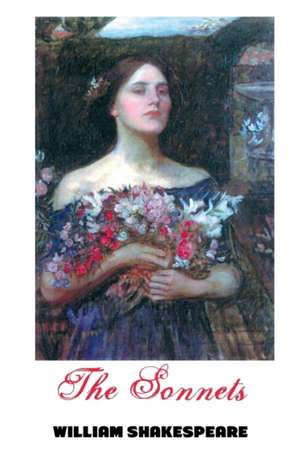
THE SONNETS: British Poets
Autor William Shakespeare Editat de Mark Tuleyen Limba Engleză Paperback – 21 mar 2016
În cadrul programelor de studiu al literaturii engleze, The Sonnets ocupă un loc central, fiind adesea comparate cu Hamlet prin prisma complexității și a controverselor exegetice generate. Această ediție din seria Collins Classics propune o abordare echilibrată, menită să ghideze cititorul prin labirintul interpretărilor fără a impune o singură teorie restrictivă. Reținem că volumul se bazează pe textul istoric al ediției Quarto din 1609, oferind în același timp un aparat critic care sintetizează contribuțiile esențiale ale editorilor clasici precum Malone sau Boswell. Spre deosebire de The Complete Sonnets and Poems: The Oxford Shakespeare, care pune accent pe explicații detaliate ale aluziilor și pe modernizarea ortografiei, volumul de față prioritizează contextul tradiției sonetului și analiza tematică. Credem că structura sa este deosebit de utilă pentru progresia învățării: începe cu definiția genului și contextul istoric, trece prin analiza temelor majore — dragostea, timpul și eternizarea prin artă — și culminează cu un index util al primelor versuri. Extinde cadrul propus de All the Sonnets of Shakespeare prin includerea unei secțiuni dedicate legăturilor lingvistice și stilistice dintre sonete și piesele de teatru ale autorului. Față de lucrări precum The Tempest sau Macbeth, unde narațiunea și conflictul dramatic primează, The Sonnets dezvăluie latura lirică și introspectivă a lui William Shakespeare. Dacă în piesele de teatru vocea autorului este mediată de personaje, aici întâlnim o explorare directă a limbajului poetic, oferind o perspectivă complementară asupra geniului său literar. Este o resursă factologică solidă, care evită speculațiile biografice în favoarea unei analize riguroase a textului.
Din seria British Poets
-
 Preț: 77.41 lei
 -
 Preț: 60.52 lei
 -
 Preț: 80.50 lei
 -
 Preț: 88.41 lei
 -
 Preț: 76.36 lei
 -
 Preț: 114.03 lei
 -
 Preț: 124.79 lei
 -
 Preț: 191.42 lei
 -
 Preț: 115.52 lei
 -
 Preț: 113.11 lei
 -
 Preț: 81.97 lei
 -
 Preț: 79.79 lei
 -
 Preț: 64.88 lei
 -
 Preț: 72.89 lei
 -
 Preț: 75.96 lei
 -
 Preț: 69.74 lei
 -
 Preț: 78.57 lei
 -
 Preț: 108.29 lei
 -
 Preț: 78.31 lei
 -
 Preț: 80.01 lei
 -
 Preț: 76.37 lei
 -
 Preț: 75.69 lei
 -
 Preț: 249.67 lei
 -
 Preț: 99.92 lei
 -
 Preț: 66.82 lei
 -
 Preț: 76.37 lei
 -
 Preț: 64.18 lei
 -
 Preț: 86.98 lei
 -
 Preț: 307.24 lei
Preț: 82.15 lei
Carte tipărită la comandă
Livrare economică 05-19 decembrie
Specificații
ISBN-10: 1861715374
Pagini: 208
Dimensiuni: 156 x 234 x 11 mm
Greutate: 0.32 kg
Ediția:Third Edition
Editura: Crescent Moon Publishing
Colecția British Poets
Seria British Poets
V-ar putea interesa
-
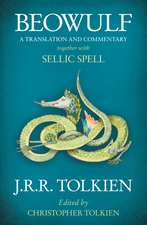 BeowulfJ. R. R. TolkienPreț: 80.32 lei
 -
 HamletCollins GcsePreț: 28.01 lei
 -
 Twelfth NightWilliam ShakespearePreț: 28.01 lei
 -
 The TempestWilliam ShakespearePreț: 28.01 lei
 -
 -25%Preț: 59.36 lei79.29 lei
 -
 The Canterbury TalesGeoffrey ChaucerPreț: 53.87 lei
 -
 Shakespeare's SonnetsWilliam Shakespeare-37%Preț: 40.40 lei63.67 lei
 -
 Index, A History of theDennis Duncan-17%Preț: 65.95 lei79.70 lei
 -
 The Complete Sonnets and Poems: The Oxford ShakespeareWilliam Shakespeare-8%Preț: 66.44 lei72.49 lei
 -
 OthelloWilliam ShakespearePreț: 37.76 lei
 -
 The PoemsWilliam ShakespearePreț: 58.34 lei
 -
 All the Sonnets of ShakespeareWilliam ShakespearePreț: 139.89 lei
 -
 Shakespeare's Sonnets: RevisedProf Katherine Duncan-Jones-13%Preț: 83.04 lei95.29 lei
 -
 What If It's UsAdam Silvera-18%Preț: 60.08 lei73.35 lei
 -
 Sir Gawain and the Green KnightAnonymousPreț: 36.93 lei
 -
 The Merchant of VeniceWilliam ShakespearePreț: 37.28 lei
 -
 The Tragedy of MacbethWilliam ShakespearePreț: 34.79 lei
 -
 HamletWilliam ShakespearePreț: 30.47 lei
 -
 Midsummer Night''s DreamWilliam ShakespearePreț: 35.95 lei
 -
 As You Like ItWilliam ShakespearePreț: 34.73 lei
 -
 Diary of a NobodyGeorge GrossmithPreț: 36.23 lei
De ce să citești această carte
Această ediție este ideală pentru studenții și cititorii care doresc să exploreze poezia lui William Shakespeare într-un format accesibil, dar riguros. Dincolo de faimoasele versuri despre dragoste, volumul oferă instrumentele necesare pentru a înțelege structura sonetului elisabetan și contextul său istoric. Câștigați o perspectivă clară asupra evoluției textului, beneficiind de un aparat critic care clarifică limbajul arhaic și conexiunile subtile cu marile sale tragedii.
Despre autor
William Shakespeare (1564–1616) este recunoscut universal ca cel mai important scriitor al limbii engleze și un dramaturg fără egal. Opera sa vastă cuprinde 38 de piese de teatru și 154 de sonete, lucrări care au modelat literatura mondială. În timp ce piesele sale, precum Much Ado About Nothing sau Romeo and Juliet, sunt celebrate pentru profunzimea caracterizării și structura dramatică, sonetele sale reprezintă culmea poeziei lirice renascentiste. Capacitatea sa de a sonda condiția umană, de la angoasă la extaz, rămâne un punct de referință pentru scriitorii din toate epocile, fiind tradus și jucat în fiecare limbă vie.
Descriere scurtă
The Sonnets are central to William Shakespeare's art. They display Shakespeare's poetic talent at its height. The Sonnets are the great love poem sequence in British poetry, as well as being the longest single group of English Renaissance sonnets. They rival in grandeur, skill and cleverness the poetic sequence from which they ultimately derive (via Sir Thomas Wyatt): Francesco Petrarch's Rime Sparse. In Shakespeare's Sonnets, introspection and self-analysis is as rigorous as in Petrarch's Canzoniere, but Shakespeare's bitterness and sense of irony is more deeply ingrained than in Petrarch's poems.
Shakespeare's Sonnets came late in the development of the Petrarchan sonnet sequence. They are decadent, late efforts of an already (by the 1590s) old-fashioned poetic form. Yet Shakespeare manages to infuse the sonnet sequence with an extraordinary power and magic. The Sonnets, indeed, contain some of the most marvellous moments in any (English) poetry. The magnificence of the opening lines of the Sonnets, for instance, is undeniable:
Shall I compare thee to a summer's day? (18.1)
Full many a glorious morning have I seen
Flatter the mountain tops with sovereign eye,
Kissing with golden face the meadows green,
Gilding pale streams with heavenly alchemy (33.1-4)
Take all my loves, my love, yea, take them all (40.1)
Sweet love, renew thy force (56.1)
Let me not to the marriage of true minds
Admit impediments: love is not love
Which alters when it alteration finds,
Or bends with the remover to remove. (116.1-4)
My love is as a fever, longing still (147.1)
Each poem is printed on its own on the page, without footnotes and annotations.
Includes new illustrations of Shakespeare and his art, an introduction, notes on certain sonnets, and a bibliography of references.
www.crmoon.com"
Descriere
Excerpt from The Sonnets of Shakespeare: From the Quarto of 1609 With Variorum Readings and Commentary
The Sonnets of Shakespeare have a place beside the play of Hamlet in contention for the doubtful honor of being the cause of more perplexity and controversy than any other literary work in the English tongue. More persons, otherwise seemingly normal members of society, have thought that they were the first to understand one or the other of these works, or have professed to make illuminating discoveries regarding them, than could be computed as critics of any writing since the Iliad. If the present editor can come to the end of his task with any feeling of complacency, it is because he has spent some years with the Sonnets and still finds himself without a revelation. In other words, his complacency must be due only to the existence of some evidence that he is still sane - a poor substitute, no doubt, for the enthusiasm of the seer. It is the purpose of this volume, then, not to present a new theory of the Sonnets, but to bring together a body of critical material illustrative of them, sufficient for all the purposes of the less ambitious reader, and adequate to set the most tireless student on the track of what he wishes to know.
The Bibliography is intended to serve as a convenient outline of the history of the text and its interpretation; but it may be well to say something here of the general course of this history. Though seemingly among the fairly popular lyrical collections of the seventeenth century, the Sonnets largely dropped out of sight toward the end of that century and through the greater part of the eighteenth century. The age, therefore, of the building of the modern text of Shakespeare's plays saw no similar work accomplished for the Sonnets, which were not even included in any edition of the Works of Shakespeare (save in occasional supplementary volumes) until Ewing's Dublin edition of 1771, and not again till Malone's of 1790. It is to Malone that we owe, in effect, the acceptance of the narrative and lyrical poems as a part of the standard Shakespeare text; and it is also to him, in large measure, that we owe the modern text of the Sonnets. Practically all the well-known editors of Shakespeare of the nineteenth century, beginning with Boswell (but with the exception of Singer), paid due attention to the Sonnets, and, together with numerous lesser commentators, from time to time proposed improvements in the text; but it cannot be said that it was given to any later critic to add in a distinguished way to the textual work of Malone, -though it was given to a number of his successors to reject certain of his errors. Dyce's conservative work on the text, in the Aldine edition of the Poems (1832) and in his Works of Shakespeare, should perhaps be mentioned. In 1866 the Cambridge editors (Clark and Wright) issued the ninth volume of their Shakespeare, containing the Sonnets, and gave for the first time something like a history of the text up to that period, which was brought down to 1893 in the revised edition.
About the Publisher
Forgotten Books publishes hundreds of thousands of rare and classic books. Find more at www.forgottenbooks.com
This book is a reproduction of an important historical work. Forgotten Books uses state-of-the-art technology to digitally reconstruct the work, preserving the original format whilst repairing imperfections present in the aged copy. In rare cases, an imperfection in the original, such as a blemish or missing page, may be replicated in our edition. We do, however, repair the vast majority of imperfections successfully; any imperfections that remain are intentionally left to preserve the state of such historical works.