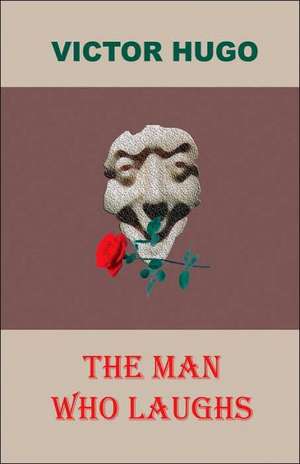
The Man Who Laughs
Autor Victor Hugoen Limba Engleză Paperback – feb 2005
Remarcăm o abordare vizuală fascinantă a uneia dintre cele mai enigmatice lucrări ale lui Victor Hugo. Premisa ne plasează în iarna aspră a anului 1690, pe coasta Angliei, unde un băiat de zece ani, abandonat de un grup de călători misterioși, rătăcește descult printr-o furtună de zăpadă. Într-o scenă de o cruzime poetică, acesta descoperă un prunc supraviețuitor la sânul unei femei înghețate și decide să îl salveze, deși el însuși se află la limita supraviețuirii. Suntem de părere că această adaptare grafică reușește să surprindă esența atmosferei gotice și dramatismul visceral al textului original. Elementul distinctiv al acestei ediții din seria Classics Illustrated este modul în care limbajul vizual traduce suferința și demnitatea personajelor. Întâlnirea cu Ursus, filosoful itinerant care trăiește într-o caravană alături de lupul Homo, oferă un contrast necesar între asprimea lumii și solidaritatea celor marginalizați. Cititorul care a apreciat explorarea nedreptății sociale și a personajelor „monstruoase” dar nobile din The Hunchback of Notre-Dame va găsi aici o temă similară — suferința fizică transformată în simbol politic — dar într-un context mult mai întunecat și mai filosofic. Dacă în Les Misérables autorul se concentra pe redempțiunea prin lege și morală, în Man Who Laughs acesta plonjează în mecanismele aristocrației și ale cruzimii umane. Structura narativă este comprimată pentru a menține un ritm alert, specific benzilor desenate, fără a pierde însă profunzimea tragismului lui Gwynplaine, tânărul a cărui față a fost mutilată pentru a afișa un rictus etern. Este o poartă de intrare accesibilă într-o operă complexă, care a servit drept inspirație pentru figuri iconice ale culturii pop moderne.
Preț: 202.20 lei
Carte tipărită la comandă
Livrare economică 22 octombrie-05 noiembrie
Specificații
ISBN-10: 1595690131
Pagini: 568
Dimensiuni: 140 x 216 x 34 mm
Greutate: 0.79 kg
Editura: Mondial
Locul publicării:United States
V-ar putea interesa
-
 Robinson CrusoeDaniel De FoePreț: 28.01 lei
 -
 Notre-Dame de ParisVictor Hugo-24%Preț: 60.38 lei79.44 lei
 -
 Cyrano de BergeracEdmond RostandPreț: 47.77 lei
 -
 CandideVoltairePreț: 31.40 lei
 -
 The Hunchback of Notre DameVictor HugoPreț: 37.01 lei
 -
 The Memoirs of Victor HugoVictor HugoPreț: 52.86 lei
 -
 Toilers of the SeaVictor HugoPreț: 60.06 lei
 -
 Preț: 136.36 lei
 -
 Victor HugoBradley Stephens-17%Preț: 88.80 lei106.87 lei
 -
 The Last Day of a Condemned ManVictor HugoPreț: 45.58 lei
 -
 Les Misérables Volume TwoVictor HugoPreț: 38.00 lei
 -
 Les Misérables Volume OneVictor HugoPreț: 31.00 lei
 -
 Classics Illustrated 7Victor HugoPreț: 56.42 lei
 -
 -12%Preț: 95.65 lei108.16 lei
 -
 Les MisérablesVictor Hugo-34%Preț: 56.22 lei85.03 lei
 -
 Astonishing ThingsGerard AudinetPreț: 285.13 lei
 -
 LES MISERABLES COSETTE ABRIDGED FOR YOUNVictor HugoPreț: 90.23 lei
De ce să citești această carte
Recomandăm această ediție cititorilor care doresc să descopere opera lui Victor Hugo printr-un format vizual dinamic. Beneficiul major este claritatea narativă: în doar 48 de pagini, primești esența unui roman monumental despre inegalitate și sacrificiu. Este o piesă de colecție pentru pasionații de romane grafice clasice și un punct de plecare excelent pentru tinerii cititori care vor să exploreze literatura universală într-o formă atractivă.
Despre autor
Victor Hugo (1802–1885) a fost figura centrală a romantismului francez, un scriitor prolific a cărui carieră a acoperit peste șase decenii. Deși este universal recunoscut pentru Les Misérables și The Hunchback of Notre-Dame, Hugo a fost și un artist vizual talentat, producând mii de desene, și un politician implicat. Man Who Laughs, scris în timpul exilului său din Franța, reflectă maturitatea sa artistică și obsesia pentru justiție socială. Opera sa îmbină adesea grotescul cu sublimul, transformând marginalii societății în eroi tragici de o profunzime inegalabilă.