
Desperate Remedies: Wordsworth Classics
Autor Thomas Hardy Michael Irwinen Limba Engleză Paperback – 31 iul 2010
With an Introduction, Notes and Bibliography by Michael Irwin, Emeritus Professor of English, University of Kent, Canterbury.
The young Thomas Hardy, working as an architect, but fired with literary ambition, tried for years to get into print. He finally succeeded with Desperate Remedies, a 'sensation novel' in the mode of Wilkie Collins. Here was a racy specimen of the genre, replete with sudden death, dark mysteries, intriguing clues, fire and storm, flight and pursuit.
Anyone who enjoys The Woman in White is likely to enjoy Desperate Remedies. But that is only half the story. Hardy contrived also, in this unlikely context, to give a first airing to various of the ideas and technical experiments which were to characterise his later fiction. The result is an exhilaratingly uneven work: at any point in the narrative some brilliant passage of description or metaphor may burst out like a firework. Desperate Remedies can be relished both for what it is and for what it promises.
Din seria Wordsworth Classics
-
 Preț: 28.01 lei
 -
 Preț: 28.01 lei
 -
 Preț: 28.01 lei
 -
 Preț: 28.01 lei
 -
 Preț: 28.01 lei
 -
 Preț: 28.01 lei
 -
 Preț: 28.01 lei
 -
 Preț: 28.01 lei
 -
 Preț: 28.01 lei
 -
 Preț: 28.01 lei
 -
 Preț: 46.05 lei
 -
 Preț: 28.01 lei
 -
 Preț: 28.01 lei
 -
 Preț: 28.01 lei
 -
 Preț: 28.01 lei
 -
 Preț: 28.01 lei
 -
 Preț: 25.87 lei
 -
 Preț: 31.55 lei
 -
 Preț: 28.01 lei
 -
 Preț: 28.01 lei
 -
 Preț: 28.01 lei
 -
 Preț: 28.01 lei
 -
 Preț: 28.01 lei
 -
 Preț: 28.01 lei
 -
 Preț: 28.01 lei
 -
 Preț: 28.01 lei
 -
 Preț: 28.01 lei
 -
 Preț: 28.01 lei
 -
 Preț: 28.01 lei
 -
 Preț: 28.01 lei
 -
 Preț: 28.01 lei
 -
 Preț: 28.01 lei
 -
 Preț: 28.01 lei
 -
 Preț: 28.01 lei
 -
 Preț: 28.01 lei
 -
 Preț: 28.01 lei
 -
 Preț: 28.01 lei
 -
 Preț: 28.01 lei
 -
 Preț: 28.01 lei
 -
 Preț: 28.01 lei
 -
 Preț: 28.01 lei
 -
 Preț: 28.01 lei
 -
 Preț: 28.01 lei
 -
 Preț: 28.01 lei
 -
 Preț: 28.01 lei
 -
 Preț: 28.01 lei
 -
 Preț: 28.01 lei
 -
 Preț: 28.01 lei
 -
 Preț: 28.01 lei
 -
 Preț: 28.01 lei
Preț: 19.19 lei
Carte indisponibilă temporar
Specificații
ISBN-10: 184022634X
Pagini: 340
Dimensiuni: 124 x 196 x 20 mm
Greutate: 0.23 kg
Editura: Wordsworth Classics
Seria Wordsworth Classics
V-ar putea interesa
-
 Robinson CrusoeDaniel DefoePreț: 28.01 lei
 -
 Tess of the D'UrbervillesThomas HardyPreț: 28.01 lei
 -
 Far From the Madding CrowdThomas HardyPreț: 28.01 lei
 -
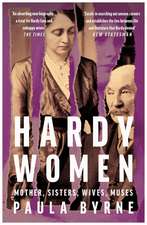 Hardy WomenPaula ByrnePreț: 97.29 lei
 -
 EmmaJane Austen-24%Preț: 50.51 lei66.77 lei
 -
 The Picture of Dorian GrayOscar WildePreț: 35.93 lei
 -
 The Return of the NativeThomas HardyPreț: 42.10 lei
 -
 Cape FeverNadia DavidsPreț: 85.17 lei
 -
 -26%Preț: 79.19 lei107.63 lei
 -
 Wessex TalesThomas HardyPreț: 52.58 lei
 -
 Her Wicked RootsTanya Pell-17%Preț: 121.29 lei146.45 leiRecomandat
 -
 The Woman in WhiteWilkie CollinsPreț: 33.00 lei
 -
 A Slight Misunderstanding and Other Stories: Annotated EditionProsper MériméePreț: 64.08 lei
 -
 Oliver TwistCharles DickensPreț: 37.41 lei
 -
 Bleak HouseCharles DickensPreț: 41.29 lei
 -
 Mayor of CasterbridgeThomas HardyPreț: 28.01 lei
 -
 Life's Little IroniesClaire SeymourPreț: 35.82 lei
 -
 Jude the ObscureThomas HardyPreț: 28.01 lei
 -
 Wessex TalesThomas HardyPreț: 28.01 lei
 -
 A Pair of Blue EyesThomas HardyPreț: 36.77 lei
 -
 Preț: 34.20 lei
Descriere
With an Introduction, Notes and Bibliography by Michael Irwin, Emeritus Professor of English, University of Kent, Canterbury.
The young Thomas Hardy, working as an architect, but fired with literary ambition, tried for years to get into print. He finally succeeded with Desperate Remedies, a 'sensation novel' in the mode of Wilkie Collins. Here was a racy specimen of the genre, replete with sudden death, dark mysteries, intriguing clues, fire and storm, flight and pursuit.
Anyone who enjoys The Woman in White is likely to enjoy Desperate Remedies. But that is only half the story. Hardy contrived also, in this unlikely context, to give a first airing to various of the ideas and technical experiments which were to characterise his later fiction. The result is an exhilaratingly uneven work: at any point in the narrative some brilliant passage of description or metaphor may burst out like a firework. Desperate Remedies can be relished both for what it is and for what it promises.