
Daniel Deronda: Wordsworth Classics
Autor George Elioten Limba Engleză Paperback – 5 mai 1996
George Eliot's final novel, Daniel Deronda (1876), follows the intertwining lives of the beautiful but spoiled and selfish Gwendolene Harleth and the selfless yet alienated Daniel Deronda, as they search for personal and vocational fulfilment and sympathetic relationship.
Set largely in the degenerate English aristocratic society of the 1860s, Daniel Deronda charts their search for meaningful lives against a background of imperialism, the oppression of women, and racial and religious prejudice. Gwendolen's attempts to escape a sadistic relationship and atone for past actions catalyse her friendship with Deronda, while his search for origins leads him, via Judaism, to a quest for moral growth.
Eliot's radical dual narrative constantly challenges all solutions and ensures that the novel is as controversial now, as when it first appeared.
Din seria Wordsworth Classics
-
 Preț: 28.01 lei
 -
 Preț: 28.01 lei
 -
 Preț: 28.01 lei
 -
 Preț: 28.01 lei
 -
 Preț: 28.01 lei
 -
 Preț: 28.01 lei
 -
 Preț: 28.01 lei
 -
 Preț: 28.01 lei
 -
 Preț: 28.01 lei
 -
 Preț: 28.01 lei
 -
 Preț: 46.80 lei
 -
 Preț: 28.01 lei
 -
 Preț: 28.01 lei
 -
 Preț: 28.01 lei
 -
 Preț: 28.01 lei
 -
 Preț: 28.01 lei
 -
 Preț: 25.87 lei
 -
 Preț: 31.55 lei
 -
 Preț: 28.01 lei
 -
 Preț: 28.01 lei
 -
 Preț: 28.01 lei
 -
 Preț: 28.01 lei
 -
 Preț: 28.01 lei
 -
 Preț: 28.01 lei
 -
 Preț: 28.01 lei
 -
 Preț: 28.01 lei
 -
 Preț: 28.01 lei
 -
 Preț: 28.01 lei
 -
 Preț: 28.01 lei
 -
 Preț: 28.01 lei
 -
 Preț: 28.01 lei
 -
 Preț: 28.01 lei
 -
 Preț: 28.01 lei
 -
 Preț: 28.01 lei
 -
 Preț: 28.01 lei
 -
 Preț: 28.01 lei
 -
 Preț: 28.01 lei
 -
 Preț: 28.01 lei
 -
 Preț: 28.01 lei
 -
 Preț: 28.01 lei
 -
 Preț: 28.01 lei
 -
 Preț: 28.01 lei
 -
 Preț: 28.01 lei
 -
 Preț: 28.01 lei
 -
 Preț: 28.01 lei
 -
 Preț: 28.01 lei
 -
 Preț: 28.01 lei
 -
 Preț: 28.01 lei
 -
 Preț: 28.01 lei
 -
 Preț: 28.01 lei
Preț: 40.19 lei
Carte disponibilă
Livrare economică 11-25 noiembrie
Livrare express 28 octombrie-03 noiembrie pentru 32.34 lei
Specificații
ISBN-10: 1853261769
Pagini: 752
Dimensiuni: 127 x 198 x 43 mm
Greutate: 0.49 kg
Editura: WORDSWORTH EDITIONS LTD
Colecția Wordsworth Classics
Seria Wordsworth Classics
Locul publicării:United Kingdom
V-ar putea interesa
-
 PygmyChuck PalahniukPreț: 92.66 lei
 -
 The Yellow WallpaperCharlotte Perkins Gilman-58%Preț: 17.74 lei42.49 lei
 -
 Life of George Eliot Volume 3George EliotPreț: 152.99 lei
 -
 The Essays of George Eliot CompleteGeorge EliotPreț: 78.61 lei
 -
 Preț: 72.94 lei
 -
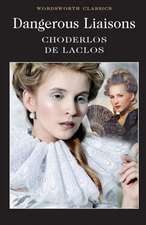 DANGEROUS LIAISONS UK/EChoderlos de LaclosPreț: 28.01 lei
 -
 -11%Preț: 62.08 lei70.00 lei
 -
 Tom JonesHenry FieldingPreț: 40.40 lei
 -
 RainbowD. H. LawrencePreț: 28.01 lei
 -
 Poésies de Matthieu et de Jehan de VauzellesJean de VauzellesPreț: 79.50 lei
 -
 M. et Mme LhommeTbdPreț: 161.01 lei
 -
 BlancaTbdPreț: 176.92 lei
 -
 BéatrixTbdPreț: 169.83 lei
 -
 Preț: 93.76 lei
 -
 Jacquot Et FricototVenet-IPreț: 109.02 lei
 -
 Preț: 116.72 lei
 -
 Preț: 116.46 lei
 -
 Preț: 116.05 lei
 -
 Preț: 140.60 lei
 -
 Collection of british authors: Felix HoltGeorge EliotPreț: 238.26 lei
 -
 Felix HoltGeorge EliotPreț: 242.29 lei
Textul de pe ultima copertă
Descriere
'she felt herself standing at the game of life with many eyes upon her, daring everything to win much'Gwendolen Harleth gambles her happiness when she marries a sadistic aristocrat for his money. Beautiful, neurotic, and self-centred, Gwendolen is trapped in an increasingly destructive relationship, and only her chance encounter with the idealistic Deronda seems to offer the hope of a brighter future. Deronda is searching for a vocation, and in embracing the Jewish cause he finds one that is both visionary and life-changing. Damaged by their pasts, and alienated from the society around them, they must both discover the values that will give their lives meaning. George Eliot's powerful novel is set in a Britain whose ruling class is decadent and materialistic, its power likely to be threatened by a politically emergent Germany. The novel's exploration of sexuality, guilt, and the will to power anticipates later developments in fiction, and its linking of the personal and the political in a context of social and economic crisis gives it especial relevance to the dominant issues of the twenty-first century. ABOUT THE SERIES: For over 100 years Oxford World's Classics has made available the widest range of literature from around the globe. Each affordable volume reflects Oxford's commitment to scholarship, providing the most accurate text plus a wealth of other valuable features, including expert introductions by leading authorities, helpful notes to clarify the text, up-to-date bibliographies for further study, and much more.
Notă biografică
George Eliot was born in Nuneaton on 22nd November 1819. Baptized Mary Anne Evans, Eliot chose to write using a male pen name. She was sent away to school but returned when her mother died in 1836.She later moved to Coventry with her father.After her father's death she became the Assistant Editor of the Westminster Review in 1851. She also met George Henry Lewes this year and they became partners for the rest of his life. Lewes was already married, although he and his wife both considered their relationship to be an open one, but he and Eliot set up home together, much to the dismay of polite London society.
In 1857 Eliot published Amos Barton in Blackwood's Magazine and in 1859 her novel Adam Bede was published to great acclaim.Her first attempt to write Middlemarch, her most famous novel, ended in failure. Abandoning it, she began a short novella entitled Miss Brooke which was eventually integrated into the final version of Middlemarch. The novel was published serially in eight parts in 1871. Lewes died in 1878 and Eliot married again in 1880. Her husband, John Walter Cross was an American who was twenty years her junior. George Eliot died on 22nd December 1880 at 4 Cheyne Walk, Chelsea and is buried in Highgate Cemetery next to Lewes.