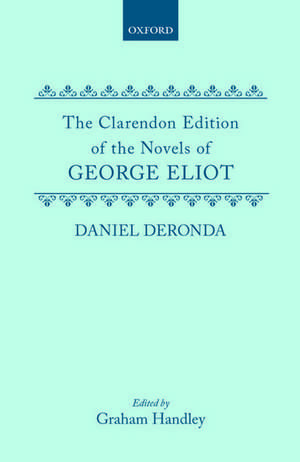
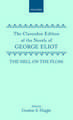
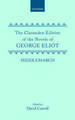
Daniel Deronda: Clarendon Edition of the Novels of George Eliot
Autor George Eliot Editat de Graham Handleyen Limba Engleză Hardback – 13 dec 1984
Preț: 1194.02 lei
Preț vechi: 1770.31 lei
-33%
Carte tipărită la comandă
Livrare economică 27 noiembrie-02 decembrie
Specificații
ISBN-10: 0198125577
Pagini: 794
Ilustrații: line drawings, halftones
Dimensiuni: 147 x 221 x 48 mm
Greutate: 1.08 kg
Editura: OUP OXFORD
Colecția OUP Oxford
Seria Clarendon Edition of the Novels of George Eliot
Locul publicării:Oxford, United Kingdom
V-ar putea interesa
-
 PygmyChuck PalahniukPreț: 92.66 lei
 -
 The Yellow WallpaperCharlotte Perkins Gilman-59%Preț: 17.32 lei41.82 lei
 -
 Life of George Eliot Volume 3George EliotPreț: 152.99 lei
 -
 The Essays of George Eliot CompleteGeorge EliotPreț: 78.61 lei
 -
 Preț: 72.94 lei
 -
 DANGEROUS LIAISONS UK/EChoderlos de LaclosPreț: 28.01 lei
 -
 -11%Preț: 62.08 lei70.00 lei
 -
 Tom JonesHenry FieldingPreț: 40.40 lei
 -
 The RainbowD. H. LawrencePreț: 28.01 lei
 -
 Poésies de Matthieu et de Jehan de VauzellesJean de VauzellesPreț: 79.50 lei
 -
 M. et Mme LhommeTbdPreț: 161.01 lei
 -
 BlancaTbdPreț: 176.92 lei
 -
 BéatrixTbdPreț: 169.83 lei
 -
 Preț: 93.76 lei
 -
 Jacquot Et FricototVenet-IPreț: 109.02 lei
 -
 Preț: 116.72 lei
 -
 Preț: 116.46 lei
 -
 Preț: 116.05 lei
 -
 Preț: 140.60 lei
 -
 Collection of british authors: Felix HoltGeorge EliotPreț: 238.26 lei
 -
 Felix HoltGeorge EliotPreț: 242.29 lei
Textul de pe ultima copertă
Notă biografică
George Eliot was born in Nuneaton on 22nd November 1819. Baptized Mary Anne Evans, Eliot chose to write using a male pen name. She was sent away to school but returned when her mother died in 1836.She later moved to Coventry with her father.After her father's death she became the Assistant Editor of the Westminster Review in 1851. She also met George Henry Lewes this year and they became partners for the rest of his life. Lewes was already married, although he and his wife both considered their relationship to be an open one, but he and Eliot set up home together, much to the dismay of polite London society.
In 1857 Eliot published Amos Barton in Blackwood's Magazine and in 1859 her novel Adam Bede was published to great acclaim.Her first attempt to write Middlemarch, her most famous novel, ended in failure. Abandoning it, she began a short novella entitled Miss Brooke which was eventually integrated into the final version of Middlemarch. The novel was published serially in eight parts in 1871. Lewes died in 1878 and Eliot married again in 1880. Her husband, John Walter Cross was an American who was twenty years her junior. George Eliot died on 22nd December 1880 at 4 Cheyne Walk, Chelsea and is buried in Highgate Cemetery next to Lewes.