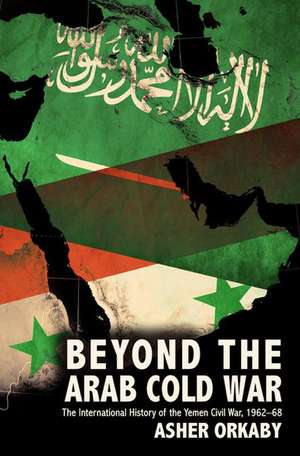
Beyond the Arab Cold War: The International History of the Yemen Civil War, 1962-68: Oxford Studies in International History
Autor Asher Orkabyen Limba Engleză Hardback – 3 aug 2017
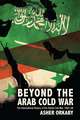
Reținem capitolul dedicat internaționalizării conflictului din Yemen, o perspectivă care transformă un război civil aparent local într-o placă turnantă a geopoliticii anilor '60. Beyond the Arab Cold War propune o reevaluare istoriografică necesară, demonstrând că evenimentele din Yemen nu au fost doar un simplu subprodus al Războiului Rece sau al rivalității dintre Cairo și Riad. Autorul Asher Orkaby ne oferă o analiză detaliată a modului în care actori precum Israel, Marea Britanie, Canada și chiar ONU au intervenit într-un spațiu definit de insurgență și activități clandestine.
Această lucrare extinde cadrul propus de The Saudiegyptian Conflict Over North Yemen, 1962-1970 de Saeed M Badeeb prin adăugarea unor straturi complexe de politică internațională. În timp ce studiile anterioare se concentrau pe axa regională, Asher Orkaby demonstrează cum interesele convergente ale americanilor și sovieticilor au acționat paradoxal pentru a îngrădi ambițiile lui Nasser. Volumul aduce date noi despre utilizarea armelor chimice și despre primele misiuni moderne de menținere a păcii, oferind o rigoare academică ce completează abordările tactice regăsite în Hot Skies Over Yemen de Tom Cooper.
Structura narativă este susținută de o cercetare de arhivă solidă, publicată în prestigioasa serie Oxford Studies in International History. Tonul este unul echilibrat, evitând interpretările unilaterale și punând accent pe consecințele pe termen lung: nașterea statului yemenit modern și reconfigurarea alianțelor care domină Peninsula Arabă și astăzi. Este o piesă esențială pentru înțelegerea declinului puterii coloniale britanice și a modului în care intervenționismul egiptean a prefigurat Războiul de Șase Zile.
Din seria Oxford Studies in International History
- 15%
 Preț: 171.23 lei
 - 14%
 Preț: 177.90 lei
 - 28%
 Preț: 446.29 lei
 - 20%
 Preț: 278.54 lei
 - 17%
 Preț: 283.17 lei
 - 20%
 Preț: 296.65 lei
 - 28%
 Preț: 485.04 lei
 - 21%
 Preț: 302.35 lei
 - 28%
 Preț: 371.06 lei
 - 22%
 Preț: 346.78 lei
 - 19%
 Preț: 291.95 lei
 - 23%
 Preț: 233.10 lei
 - 34%
 Preț: 584.57 lei
 - 11%
 Preț: 380.14 lei
 - 15%
 Preț: 223.80 lei
 - 19%
 Preț: 167.90 lei
Preț: 348.30 lei
Carte disponibilă
Livrare economică 12-17 noiembrie
Specificații
ISBN-10: 0190618442
Pagini: 308
Dimensiuni: 157 x 236 x 28 mm
Greutate: 0.6 kg
Editura: Oxford University Press
Colecția OUP USA
Seria Oxford Studies in International History
Locul publicării:New York, United States
V-ar putea interesa
-
 What Went Wrong?Bernard LewisPreț: 366.12 lei
 -
 From Babel to DragomansBernard LewisPreț: 220.99 lei
 -
 -28%Preț: 418.40 lei577.98 lei
 -
 -28%Preț: 418.08 lei584.33 lei
 -
 -31%Preț: 787.55 lei1145.49 lei
 -
 -19%Preț: 105.47 lei129.56 lei
 -
 Ancient Syria: A Three Thousand Year HistoryTrevor Bryce-18%Preț: 199.18 lei243.77 lei
 -
 Preț: 191.05 lei
 -
 My Promised LandAri ShavitPreț: 137.66 lei
 -
 Atatürk in the Nazi ImaginationStefan IhrigPreț: 285.91 lei
 -
 Preț: 93.92 lei
 -
 Inside SyriaReese ErlichPreț: 143.30 lei
 -
 Occupation DiariesRaja Shehadeh-20%Preț: 63.05 lei78.35 lei
 -
 Iraq War: Operation Iraqi Freedom 2003Anthony Tucker-JonesPreț: 121.86 lei
 -
 -18%Preț: 59.67 lei72.47 lei
 -
 Sahner, C: Among the RuinsChristian C. Sahner-18%Preț: 129.87 lei158.24 lei
De ce să citești această carte
Această carte este indispensabilă pentru cercetătorii în istorie internațională și studii strategice. Asher Orkaby oferă o perspectivă rară asupra modului în care războaiele civile din state considerate periferice pot dicta cursul politicii globale. Cititorul va obține o înțelegere profundă a rădăcinilor instabilității actuale din Yemen, analizând totodată eșecul naționalismului arab și transformarea metodelor de luptă moderne, inclusiv utilizarea gazelor toxice.
Despre autor
Asher Orkaby este un specialist recunoscut în istoria modernă a Orientului Mijlociu, cu un interes academic profund orientat spre Peninsula Arabă. Lucrările sale se remarcă prin utilizarea unor surse de arhivă multilingve și prin capacitatea de a conecta evenimentele locale de dinamica marilor puteri. Prin contribuția sa la seria Oxford Studies in International History, Orkaby s-a impus ca o voce autoritară în explicarea complexității politice a Yemenului, reușind să scoată din anonimat episoade cruciale ale istoriei diplomatice și militare din a doua jumătate a secolului XX.
Descriere
Recenzii
Orkaby's book represents an important contribution to both the philatelic and political history of this turbulent part of the world.
In summary this is a high quality book of tremendous importance for the study of the auxiliain the early empire. The extensive bibliography of some thirty-seven pages is exhaustive and there are a limited number of typographical errors. The work is certain to become the new reference for any study on that topic.
Through truly impressive multiarchival and multilingual research (in U.S., British, Canadian, Russian, Israeli, Yemeni, and Swiss collections), Orkaby illuminates several key aspects of the Yemeni conflict that were previously shrouded in official secrecy or historiographical neglect.
[P]rovides special significance and important relevance today, half a century later... Recommended.
Backed by solid research, Orkaby's narrative easily succeeds in taking readers beyond the Arab Cold War and into the machinations of a variety of international players.