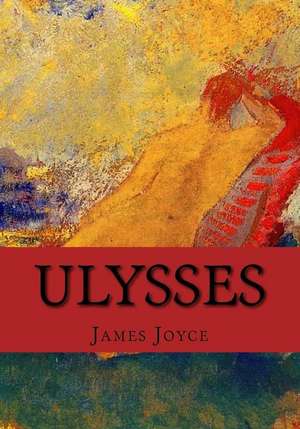
Ulysses
Autor James Joyceen Limba Engleză Paperback
Ce se întâmplă când măreția mitului antic se ciocnește frontal cu monotonia și mizeria unei zile obișnuite dintr-o metropolă modernă? În Ulysses, James Joyce proiectează structura „Odiseei” peste harta labirintică a Dublinului, transformând peregrinările lui Leopold Bloom într-o epopee a banalului. Remarcăm cum tensiunea centrală a operei se naște din acest contrast permanent: între structura formală extrem de rigidă — unde fiecare capitol este asociat unei culori, unei arte și unui organ corporal — și fluxul liber, adesea haotic, al conștiinței personajelor. Suntem de părere că forța acestui roman nu rezidă doar în inovația tehnică, ci în precizia cvasi-chirurgicală cu care Joyce a documentat orașul; autorul însuși afirma că, dacă Dublinul ar fi distrus, ar putea fi reconstruit piatră cu piatră folosind paginile sale drept plan. Cititorul care a apreciat explorarea identității și a mediului social din Dubliners va găsi aici aceleași teme, însă amplificate la o scară monumentală, unde limbajul nu doar descrie realitatea, ci o inventează prin parodie, jargon și simbolism. Spre deosebire de A Portrait of the Artist as a Young Man, unde narativul urmărește formarea unei singure minți, Ulysses devine un organism colectiv, o polifonie de stiluri care a redefinit literatura secolului XX. Ritmul lecturii variază de la introspecția lentă la efervescența comică, oferind o experiență care solicită și recompensează spiritul de observație al cititorului.
Preț: 124.03 lei
Carte indisponibilă temporar
Specificații
ISBN-10: 1537552678
Pagini: 398
Dimensiuni: 178 x 254 x 21 mm
Greutate: 0.69 kg
V-ar putea interesa
-
 The War of the WorldsH. G. Wells-27%Preț: 47.25 lei64.76 lei
 -
 English Reformations: Religion, Politics, and Society under the TudorsChristopher Haigh-22%Preț: 396.96 lei509.91 lei
 -
 The Importance of Being EarnestOscar Wilde-19%Preț: 20.14 lei24.93 lei
 -
 Songs of Innocence and Songs of ExperienceWilliam BlakePreț: 24.96 lei
 -
 Notes from the UndergroundFyodor Dostoyevsky-19%Preț: 23.30 lei28.69 lei
 -
 The PrinceNiccolò MachiavelliPreț: 21.63 lei
 -
 HamletWilliam Shakespeare-18%Preț: 23.87 lei29.07 lei
 -
 Romeo & JulietWilliam Shakespeare-19%Preț: 20.29 lei24.96 lei
 -
 Preț: 38.44 lei
 -
 100 Best-Loved PoemsPhilip Smith-18%Preț: 23.62 lei28.88 lei
 -
 Today Everything ChangesAndy McNab-35%Preț: 22.99 lei35.16 lei
 -
 Altered Carbon: Netflix Altered Carbon book 1Richard Morgan-25%Preț: 60.81 lei80.55 lei
 -
 The Catcher in the Rye. InterpretationshilfeNigel TookeyPreț: 45.75 lei
 -
 I Know Why the Caged Bird SingsMaya AngelouPreț: 135.59 lei
 -
 SiddharthaHermann HessePreț: 54.89 lei
 -
 Preț: 28.01 lei
 -
 Finnegans WakeJames JoycePreț: 39.89 lei
 -
 Women in LoveD. H. LawrencePreț: 38.15 lei
 -
 The Picture of Dorian GrayOscar WildePreț: 30.66 lei
 -
 Robinson CrusoeDaniel DefoePreț: 36.10 lei
 -
 To the LighthouseVirginia WoolfPreț: 36.36 lei
 -
 Hard TimesCharles DickensPreț: 28.01 lei
 -
 The RainbowD. H. LawrencePreț: 28.01 lei
 -
 Les Fleurs du MalCharles BaudelairePreț: 54.48 lei
De ce să citești această carte
Recomandăm această ediție Everyman's Library Contemporary Classics celor care doresc să parcurgă textul fundamental al modernismului literar. Cititorul câștigă acces la o operă care a testat limitele limbajului și ale cenzurii, oferind o radiografie totală a condiției umane. Este o lectură esențială pentru a înțelege evoluția romanului contemporan, fiind un monument de inventivitate lingvistică ce transformă o zi de 16 iunie într-o eternitate literară.
Despre autor
James Joyce (1882–1941) a fost un romancier, poet și critic irlandez, considerat una dintre cele mai influente figuri ale avangardei moderniste. Născut în Dublin, a trăit cea mai mare parte a vieții în autoexil în orașe precum Trieste, Zurich și Paris. Opera sa a evoluat de la realismul psihologic din Dubliners (1914) și A Portrait of the Artist as a Young Man (1916), până la experimentele lingvistice radicale din Ulysses și, ulterior, Finnegans Wake. Joyce a revoluționat tehnica fluxului conștiinței, rămânând profund ancorat în topografia și spiritul orașului său natal.
Descriere scurtă
Descriere
For Joyce, literature 'is the eternal affirmation of the spirit of man'. Written between 1914 and 1921, Ulysses has survived bowdlerization, legal action and bitter controversy. Capturing a single day in the life of Dubliner Leopold Bloom, his friends Buck Mulligan and Stephen Dedalus, his wife Molly, and a scintillating cast of supporting characters, Joyce pushes Celtic lyricism and vulgarity to splendid extremes. An undisputed modernist classic, its ceaseless verbal inventiveness and astonishingly wide-ranging allusions confirm its standing as an imperishable monument to the human condition. Declan Kilberd says in his introduction that Ulysses is 'an endlessly open book of utopian epiphanies. It holds a mirror up to the colonial capital that was Dublin on 16 June 1904, but it also offers redemptive glimpses of a future world which might be made over in terms of those utopian moments.'
This edition is the standard Random House/Bodley Head text that first appeared in 1960.
James Joyce (1882–1941), the eldest of ten children, was born in Dublin, but exiled himself to Paris at twenty as a rebellion against his upbringing. He only returned to Ireland briefly from the continent but Dublin was at heart of his greatest works, Ulysses and Finnegans Wake. He lived in poverty until the last ten years of his life and was plagued by near blindness and the grief of his daughter's mental illness.
If you enjoyed Ulysses, you might enjoy Virginia Woolf's Mrs Dalloway, also available in Penguin Classics.
'Everybody knows now that Ulysses is the greatest novel of the twentieth century'
Anthony Burgess, Observer
Notă biografică
Cuprins
- Map: Dublin c. 1904
- Abbreviations
- Introduction
- Composition and Publication History
- Select Bibliography
- A Chronology of James Joyce
- ULYSSES
- Appendix A: The Gilbert and Linati Schemata
- Appendix B: Ulysses: Serialization and Editions
- Appendix C: Errata
- Explanatory Notes
Recenzii
-The New York Times
"To my mind one of the most significant and beautiful books of our time."
-Gilbert Seldes, in The Nation
"Talk about understanding "feminine psychology"-- I have never read anything to surpass it, and I doubt if I have ever read anything to equal it."
-Arnold Bennett
"In the last pages of the book, Joyce soars to such rhapsodies of beauty as have probably never been equaled in English prose fiction."
-Edmund Wilson, in The New Republic
From the Hardcover edition.