
The Textile Book
Autor Jasbir Kaur, Colin Galeen Limba Engleză Hardback – mai 2002
În literatura academică dedicată designului, a existat mult timp o falie între studiul tehnic al materialelor și analiza culturală sau profesională a industriei. The Textile Book vine să completeze această lacună, propunând o viziune integrată care depășește simpla descriere a fibrelor pentru a explora ecosistemul global al textilelor. Considerăm că forța acestui volum rezidă în capacitatea de a ancora tradiția meșteșugului în realitățile tehnologice contemporane, explicând procese complexe precum transformarea sticlelor reciclate în fire similare mătăsii.
Structura cărții este riguros organizată în două secțiuni. Prima parte, „Overviews”, investighează locul cultural al textilelor și evoluția esteticii materialelor sub influența științei și a ingineriei. A doua parte, „The Creative”, oferă o incursiune detaliată în carierele specifice domeniului, de la designerul-producător la artistul textil, incluzând studii de caz practice care dezvăluie mecanismele decizionale din spatele „obiectelor must-have”. Cititorii familiarizați cu Textile Design de A Briggs-Goode vor aprecia aici accentul pus nu doar pe construcția țesăturii, ci pe întregul parcurs social și comercial al produsului.
Jasbir Kaur își continuă aici cercetarea asupra interdependenței dintre material și formă, temă abordată și în lucrarea sa Fashion and Textiles. Dacă în alte scrieri ale sale, precum poezia din The Aftermath, Kaur explorează teme sociale profunde, în acest volum academic ea aduce o rigoare analitică necesară înțelegerii pieței globale. Tonul este unul precis, orientat către studenți și profesioniști, oferind un aparat critic solid prin indexul și bibliografia incluse, completate de ilustrații alb-negru și color care facilitează înțelegerea conceptelor teoretice.
Preț: 645.84 lei
Preț vechi: 914.13 lei
-29%
Carte tipărită la comandă
Livrare economică 07-21 decembrie
Livrare express 30 octombrie-05 noiembrie pentru 90.96 lei
Specificații
ISBN-10: 185973507X
Pagini: 232
Ilustrații: 30 b&w and 8 colour illustrations, biblio, index
Dimensiuni: 156 x 234 x 17 mm
Greutate: 0.48 kg
Ediția:First.
Editura: Bloomsbury Publishing
Colecția Berg Publishers
Locul publicării:London, United Kingdom
V-ar putea interesa
-
 Mastering Fashion stylingJo Dingemans-24%Preț: 248.32 lei325.19 lei
 -
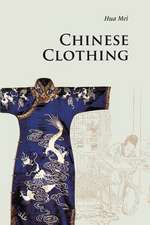 Chinese ClothingMei HuaPreț: 195.93 lei
 -
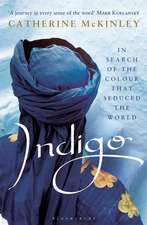 Indigo: In Search of the Colour that Seduced the WorldCatherine E. McKinley-26%Preț: 68.90 lei93.03 lei
 -
 The AftermathJasbir KaurPreț: 50.72 lei
 -
 Retailing Principles: Global, Multichannel, and Managerial ViewpointsLynda Rose Poloian-33%Preț: 607.68 lei901.69 lei
 -
 Fashion Public RelationsSar Perlman-15%Preț: 391.05 lei462.30 lei
 -
 Designing with Color: Concepts and ApplicationsChris Dorosz-28%Preț: 739.17 lei1020.56 lei
 -
 Twentieth-Century American FashionPatricia CunninghamPreț: 215.10 lei
 -
 Fashion: Critical and Primary SourcesPeter McNeil-36%Preț: 4603.88 lei7161.08 lei
 -
 Fashion and MusicJanice Miller-16%Preț: 255.87 lei304.40 lei
 -
 Fashion Classics from Carlyle to BarthesMichael CarterPreț: 248.23 lei
 -
 The Japanese Revolution in Paris FashionYuniya KawamuraPreț: 206.57 lei
 -
 Fashion and Textiles: An OverviewJasbir Kaur-16%Preț: 216.44 lei258.03 lei
 -
 Old Clothes, New Looks: Second-Hand FashionDr Hazel Clark-14%Preț: 836.54 lei972.73 lei
 -
 The Latin American Fashion ReaderDr Regina A. Root-16%Preț: 217.50 lei258.62 lei
De ce să citești această carte
Recomandăm această carte oricărui student sau profesionist care dorește să înțeleagă industria textilă dincolo de aspectul estetic. Veți câștiga o perspectivă clară asupra diversității carierelor disponibile și a modului în care inovația tehnologică redefinește materialele clasice. Este un instrument esențial pentru a înțelege drumul complex al unui produs de la stadiul de fibră până la raftul magazinului, într-un context globalizat.
Despre autor
Jasbir Kaur și Colin Gale sunt cadre didactice la University of Central England, Birmingham, aducând în acest volum o vastă experiență pedagogică și de cercetare. Colin Gale este directorul programului de masterat în design textil și modă, în timp ce Jasbir Kaur este lector specializat în design tridimensional. Activitatea lor academică comună se concentrează pe intersecția dintre modă, industrie și cultură, Kaur fiind recunoscută și pentru scrierile sale care abordează teme sociale și condiția umană, oferind o profunzime aparte analizei materiale.
Descriere
Taking as their starting point the very meaning of textiles, Gale and Kaur go on to show the astonishing range of opportunities for careers in the field, from the creative (artists, craftspeople and designers) to the social and industrial, to the commercial and associated practices (buyers, journalists, researchers and scientists). The Textile Book takes us behind the scenes with professionals to reveal what various jobs involve, what influences decision makers, and how their decisions affect what we buy next season. What happens to clothes before they reach the shops? What determines the 'must have' item? How can recycled bottles be transformed into silk-like yarns? These and many other questions are explored to show the diversity that makes up the contemporary global textile scene.
Woven, printed, embroidered, knitted -- textiles are pivotal to the everyday experience of people in all parts of the world. This wide-ranging and informative book conveys the excitement and new challenges textiles represent and is essential reading for anyone working with, studying or simply interested in textiles.
Cuprins
Preface vii
Part I Overviews
1What is Textiles?1
This Book3
2The Cultural Place of Textiles7
Gentility and Gender7
The Inner Spirit13
Capitalism and Communism16
Lifestyle23
3Perceptions of Fabric30
New Fabrics, New Aesthetics31
Fundamental Skills and the Evolution of Textile Practice33
The Influence of Skill35
The Influence of Science and Engineering38
Re-evaluation42
Part II The Creative
4The Textile Designer45
Design Practice49
Global Comparisons of Textile Design53
Futures61
5The Designer-Maker63
The Origins of Designer-Makers66
Employment67
Market68
Business71
Case Study: Lindsay Bloxam75
Personal Issues76
Establishing a Business78
Selling Stuff80
The Broader View82
6The Craftsperson85
Comparing Makers89
The Importance of Process-Led Practice93
A Role in the Modern World94
The Appeal of the Handmade98
Supporting Organizations99
7The Textile Artist102
Textile Art, Craft or Design?104
The Reason of Textile Art108
Issues of Content111
Ownership115
Part III The Social and Industrial Context
8Global Textile Traditions119
Regional Exchanges120
Patronage123
Ritual, Symbolism and Stories125
Weave127
Embroidery129
Print and Dye131
Contemporary Uses of Traditional Textiles134
Recent Textile Traditions136
9Ecology139
Pollution, Politics and Ecology139
The Role of Organizations and Agencies143
Government Policies and Organizations148
Eco or Green Design153
Case Study: Corporate Environmental Policies157
10Industry161
The Industrial Story162
Power and Influence170
The Future174
11The Role of Trends and Forecasting180
The Textile Industries and Forecasting183
The Forecasting Gurus and their Roles188
Part IV Related Disciplines and Studies
12The Buyer194
The Buyers Role195
Issues Affecting Buying Decisions196
Buying Textiles and Design-Led Textile Products200
The Suppliers Concerns203
International Issues204
The Future207
13Journalism212
The Media Industry212
Lifestyle and Textile Journalism215
Courting Fame220
The Internet223
14Science226
A Scientific History227
The Basics230
The Science Design Gap233
The Stuff of Fiction236
Future Issues241
15Research245
Archaeology and Anthropology245
Textiles, Cultural Identity and the Culture Industry
250
Museums and Collections255
Contemporary Textiles and Critical Studies
259
Bibliography263
Index27
Recenzii
'Essential reading for anyone considering a career in textiles.'
'The Textile book takes a compelling and very broad look at a myriad of aspects of fabrics and the humans using them...the authors seem to have tapped not only solid history, but a good deal of the most up-to-date information, including 'smart fabrics'...this subject, and its treatment in this book, is food for a lot of thought, discussion, and research.'
'Those studying textiles and the general public should find this book very useful.'
'Upper division or graduate students as well as professionals in our field would certainly benefit from the content information of The Textile Book. More importantly, those in the textile community who read it, will be encouraged to engage in broad discourse that the subject deserves in order to better ensure the subject's future as an academic discipline.'