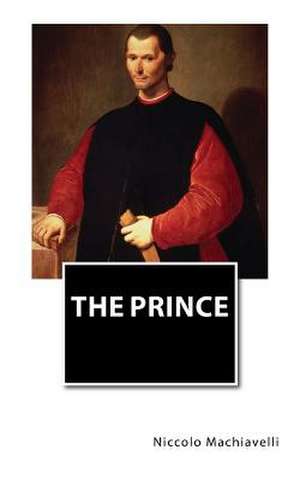
The Prince
Autor Niccolo Machiavelli Traducere de Luigi Riccien Limba Engleză Paperback – vârsta de la 18 ani
Observăm că, în ciuda abundenței de tratate etice din perioada Renașterii, literatura academică a vremii suferea de o lacună majoră: absența unei analize pragmatice a puterii, decuplată de moralitatea creștină. The Prince a venit să umple acest gol, devenind fundamentul filosofiei politice moderne prin prioritizarea rezultatelor concrete în fața idealurilor abstracte. Suntem de părere că această ediție din seria Collins Classics reușește să păstreze forța brută a argumentației lui Niccolo Machiavelli, oferind cititorului acces direct la mecanismele conducerii de stat.
Textul extinde cadrul propus de Machiavelli: Selected Political Writings cu date noi din contextul istoric al Italiei secolului al XVI-lea, punând accent pe distincția dintre conducerea prin „virtù” și cea dobândită prin noroc sau „cruzime criminală”. Remarcăm structura riguroasă a capitolelor, care deconstruiește calitățile necesare unui principe — de la gestionarea armatelor până la arta de a fi temut fără a fi urât. Această lucrare se raportează la Discourses on Livy (Discorsi) ca o piesă complementară: dacă în Discorsi autorul își exprima preferința pentru republică, în The Prince el analizează anatomia monarhiei și a statelor noi, tratând ambele forme de guvernare ca structuri de putere ce necesită prudență și calcul strategic.
Stilul este unul tăios, cu o logică liniară ce refuză eufemismele, reflectând experiența diplomatică a autorului în misiuni pentru Republica Florentină. Față de alte ediții, precum The Prince (Special Student Edition), volumul de față se concentrează pe textul clasic, oferind o poartă de intrare esențială în studiul științelor politice și al constituționalismului european.
Preț: 90.66 lei
Carte disponibilă
Livrare economică 10-24 noiembrie
Specificații
ISBN-10: 1502395053
Pagini: 116
Dimensiuni: 127 x 203 x 6 mm
Greutate: 0.12 kg
Editura: CREATESPACE
V-ar putea interesa
-
 The Art of WarSun TzuPreț: 28.01 lei
 -
 CLASSICS HENRY VWilliam ShakespearePreț: 28.01 lei
 -
 The TempestWilliam ShakespearePreț: 29.03 lei
 -
 The Art of RhetoricAristotlePreț: 28.01 lei
 -
 CLASSICS JULIUS CAESARWilliam ShakespearePreț: 28.01 lei
 -
 Animal FarmGeorge OrwellPreț: 28.01 lei
 -
 MeditationsMarcus AureliusPreț: 28.99 lei
 -
 Letters from a StoicLucius Annaeus SenecaPreț: 58.15 lei
 -
 Letters from a StoicLucius SenecaPreț: 29.76 lei
 -
 RepublicPlatoPreț: 30.76 lei
 -
 Fire and Blood: TV Tie-InGeorge R. R. MartinPreț: 60.59 lei
 -
 RebelAlbert Camus-26%Preț: 58.75 lei79.02 lei
 -
 Bullshit JobsDavid Graeber-30%Preț: 65.53 lei93.70 lei
 -
 BreathJames Nestor-18%Preț: 65.26 lei79.63 lei
 -
 The PlagueAlbert Camus-25%Preț: 59.16 lei79.25 lei
 -
 The Hobbit Classic HardbackJ.R.R. TolkienPreț: 159.17 lei
 -
 -26%Preț: 107.00 lei143.65 lei
 -
 The Will to PowerFriedrich NietzschePreț: 71.58 lei
 -
 Marx and the Robots: Networked Production, AI, and Human LabourFlorian ButolloPreț: 201.61 lei
 -
 -21%Preț: 77.49 lei98.65 lei
 -
 -36%Preț: 52.44 lei81.74 lei
 -
 The Age of Reason - Thomas PaineThomas PainePreț: 69.01 lei
 -
 -19%Preț: 69.09 lei85.66 lei
 -
 The Age of Surveillance Capitalism: AN OBSERVER BEST BOOK OF THE CENTURYProfessor Shoshana ZuboffPreț: 91.71 lei
 -
 -19%Preț: 70.17 lei86.28 lei
 -
 Confronting Leviathan: A History of IdeasDavid Runciman-19%Preț: 68.54 lei84.98 lei
 -
 Wealth of NationsAdam SmithPreț: 50.72 lei
 -
 CapitalKarl MarxPreț: 50.05 lei
 -
 The Art Of SeductionRobert Greene-16%Preț: 123.58 lei147.79 lei
De ce să citești această carte
Recomandăm această carte oricărui student la științe politice sau lider în devenire care dorește să înțeleagă rădăcinile realismului politic. Prin The Prince, cititorul câștigă o perspectivă lucidă asupra modului în care se exercită influența și autoritatea, învățând să distingă între imaginea publică și necesitatea strategică. Este o lectură fundamentală pentru a înțelege cum s-a format gândirea politică occidentală modernă, dincolo de mitul „machiavelismului” vulgar.
Despre autor
Niccolo Machiavelli (1469-1527) a fost un diplomat, filosof și istoric florentin, considerat astăzi părintele științei politice moderne. Cariera sa în serviciul public al Florenței i-a permis să observe direct manevrele politice ale unor figuri precum Cesare Borgia sau Ludovic al XII-lea, experiențe care au cristalizat viziunea sa asupra pragmatismului de stat. După revenirea familiei Medici la putere, Machiavelli s-a retras la ferma sa, unde a redactat cele mai importante lucrări ale sale, inclusiv The Prince și Discorsi, redefinind pentru totdeauna modul în care societatea raportează etica la exercițiul puterii.
Descriere scurtă
World-changing ideas meet eye-catching design: the best titles of the extraordinarily successful Great Ideas series are now packaged in Coralie Bickford-Smith's distinctive, award-winning covers. Whether on a well-curated shelf or in your back pocket, these timeless works of philosophical, political, and psychological thought are absolute musthaves for book collectors as well as design enthusiasts.
Notă biografică
Recenzii
Descriere
Machiavelli's classic works of political philosophy, now in a beautiful gift edition for the Union Square & Co. Signature Gilded Classics line.
Niccolo Machiavelli's 16th-century political treatise has been controversial and influential for centuries. Written as a guide for new princes and royals, Machiavelli provides a candid and unflinching assessment of the realities of power and politics. The Prince is often considered one of the first works of modern political philosophy. This edition also includes Machiavelli's The Art of War, a work of political theory that examines the role of the military in the lives of everyday citizens.