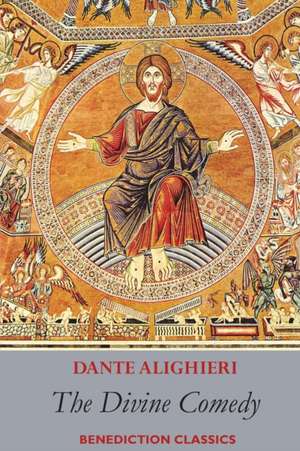
The Divine Comedy
Autor Danteen Limba Engleză Paperback – 4 mai 2021
Analizând ediția îngrijită de Robin Kirkpatrick pentru seria Penguin Classics, descoperim o abordare editorială ce onorează dubla natură a operei lui Dante: rigurozitatea teologică și intensitatea senzorială. Sursa principală a acestui volum este textul critic italian, prezentat față în față cu traducerea engleză, oferind astfel cititorului posibilitatea de a urmări muzicalitatea originală a celebrei terza rima. Spre deosebire de Circles of Hell sau Inferno, unde accentul cade pe damnare și suferință eternă, Purgatorio propune o schimbare de ton către speranță și efort conștient. Găsim în acest volum o descriere vibrantă a Muntelui Purgatoriu, unde suferința este asumată eroic de penitenți în drumul lor spre purificare. Structura narativă este marcată de o progresie fizică și spirituală, culminând cu intrarea în Paradisul Pământesc. Cititorii familiarizați cu The Divine Comedy of Dante Alighieri (traducerea lui Robert Durling) vor aprecia în ediția de față fluiditatea versului lui Kirkpatrick, care reușește să redea prospețimea peisajului montan și demnitatea voinței umane fără a sacrifica precizia academică. Dacă în Paradiso explorăm ordinea universală absolută, Purgatorio rămâne cea mai „umană” parte a trilogiei, ancorată în senzații fizice și în emoția regăsirii lui Beatrice. Suntem de părere că această ediție este esențială pentru înțelegerea modului în care Dante a transformat concepția tradițională despre mântuire, oferind un aparat critic modern care descifrează simbolismul complex al fiecărei trepte a muntelui.
Preț: 128.82 lei
Carte tipărită la comandă
Livrare economică 19 decembrie 26 - 02 ianuarie 27
Specificații
ISBN-10: 178943257X
Pagini: 362
Dimensiuni: 156 x 234 x 21 mm
Greutate: 0.55 kg
Editura: BENEDICTION CLASSICS
V-ar putea interesa
-
 Preț: 28.01 lei
-
 The Divine ComedyDante Alighieri-30%Preț: 65.31 lei93.53 lei
-
 Circles of HellDante-38%Preț: 17.63 lei28.47 lei
-
 The Portable DanteDante AlighieriPreț: 145.01 lei
-
 The Divine Comedy of Dante Alighieri: Volume 1: InfernoDante Alighieri-13%Preț: 118.64 lei136.51 lei
-
 Dante's Divine Comedy SetAlighieriPreț: 422.93 lei
-
 Love That Moves the Sun and Other StarsDante Alighieri-38%Preț: 17.67 lei28.48 lei
-
 The ParadisoDante AlighieriPreț: 50.09 lei
-
 Dore''s Illustrations for Dante''s "Divine Comedy"Gustave DorePreț: 141.33 lei
-
 The Divine Comedy, I. Inferno, Vol. I. Part 1Dante AlighieriPreț: 191.91 lei
-
 Dante's Divine ComedyJoseph LuzziPreț: 141.51 lei
-
 The Divine ComedyDante AligieriPreț: 122.37 lei
-
 The Divine ComedyDante AlighieriPreț: 193.78 lei
-
 Preț: 140.00 lei
-
 Dante's InfernoDante AlighieriPreț: 67.61 lei
-
 The Divine ComedyDante Dante-29%Preț: 211.95 lei300.32 lei
-
 PurgatorioDante AlighieriPreț: 46.55 lei
-
 PurgatoryDante AlighieriPreț: 49.79 lei
-
 ParadiseDante AlighieriPreț: 49.79 lei
-
 Dante's Divine TrilogyAlasdair GrayPreț: 108.04 lei
-
 The Divine Comedy InfernoDante AlighieriPreț: 57.42 lei
-
 Dante's PurgatorioPhilip TerryPreț: 121.63 lei
-
 The Divine ComedyDante AlighieriPreț: 46.55 lei
-
 InfernoDante AlighieriPreț: 43.46 lei
-
 After DanteNick HavelyPreț: 117.46 lei
-
 Milton in PurgatoryEdward VassPreț: 57.35 lei
De ce să citești această carte
Recomandăm această ediție oricărui cititor care dorește să parcurgă „Divina Comedie” într-o formă accesibilă, dar riguroasă. Câștigul principal este formatul bilingv, care permite explorarea textului original alături de o traducere premiată. Este o lectură fundamentală pentru înțelegerea literaturii europene, oferind o perspectivă unică asupra compasiunii și a capacității umane de transformare, susținută de note explicative care clarifică referințele istorice și filozofice medievale.
Despre autor
Dante Alighieri (1265–1321) a fost un poet, scriitor și filozof italian, considerat „tatăl” limbii italiene moderne. Prin capodopera sa, „Divina Comedie”, el a impus utilizarea limbajului vernacular în literatură, demonstrând că dialectul toscan poate exprima idei teologice și filozofice la fel de complexe ca latina. Opera sa a exercitat o influență colosală asupra culturii occidentale, inspirând generații de scriitori, de la Chaucer la Milton. Dante rămâne figura centrală care a unit viziunea medievală despre lume cu sensibilitatea umanistă incipientă.
Descriere scurtă
Notă biografică
We do not know exactly when Dante began work on The Divine Comedy. He had been moving about from court to court after his exile and 1n 1317 had settled at Ravenna, where he completed his great work. Extant correspondence shows that the first and second parts of The Divine Comedy, the "Inferno" and the "Purgatario" were generally known around 1319. The last part, the "Paradiso" was completed only in 1321. Dante died at Ravenna on 14 September 1321 and the last thirteen Cantos of the "Paradiso" were published posthumously.
Descriere
Depicting a realm of intense sensation and physical experience, this poem transforms the traditional Christian idea of Purgatory by showing how the free will of the aspiring soul could change wordly perversions into perfection.