
Snow Country: Penguin Modern Classics
Autor Yasunari Kawabata Traducere de Edward G. Seidenstickeren Limba Engleză Paperback – 6 ian 2011
Pășind în paginile acestui roman, descoperim o atmosferă de o melancolie translucidă, unde peisajul înghețat al Japoniei rurale devine o oglindă a izolării interioare. „Snow Country” nu este doar o cronică a unei legături neîmplinite între un estetic din Tokyo și o gheișă dintr-un sat montan, ci o meditație asupra frumuseții efemere. Simțim aici acea „economie a mijloacelor” despre care vorbeau criticii vremii: Kawabata nu explică emoțiile, ci le lasă să emane din juxtapunerea imaginilor, într-un stil care împrumută rigoarea și claritatea poemelor haiku. Găsim în această carte o tensiune fină între dorință și detașare, redată printr-o proză lirică ce pare sculptată în gheață. În tradiția lui Yukio Mishima, autorul explorează coliziunea dintre valorile tradiționale și sensibilitatea modernă, însă acolo unde Mishima caută spectaculosul și tragicul, Kawabata alege nuanța subtilă și tăcerea. Dacă în Spring Snow observăm o aristocrație în declin, în „Snow Country” atenția se mută pe spațiul intim, unde zăpada devine un personaj tăcut ce izolează protagoniștii de restul lumii. Această abordare minimalistă se regăsește și în Palm-of-the-Hand Stories, unde autorul susținea că se află esența artei sale. Spre deosebire de The Sound of the Mountain, unde senectutea și memoria sunt temele centrale, aici descoperim o vitalitate fragilă, suspendată într-un timp care pare să stea pe loc sub greutatea iernii. Este o experiență de lectură senzorială, care cere răbdare și o deschidere către nuanțele de gri ale sufletului uman.
Din seria Penguin Modern Classics
-
 Preț: 57.35 lei
 -
 Preț: 80.02 lei
 -
 Preț: 62.95 lei
 -
 Preț: 59.42 lei
 - 18%
 Preț: 88.47 lei
 -
 Preț: 107.89 lei
 - 27%
 Preț: 56.92 lei
 - 27%
 Preț: 57.22 lei
 - 26%
 Preț: 57.58 lei
 - 26%
 Preț: 53.47 lei
 - 33%
 Preț: 64.11 lei
 - 25%
 Preț: 59.39 lei
 - 28%
 Preț: 51.26 lei
 - 28%
 Preț: 50.90 lei
 - 26%
 Preț: 58.75 lei
 - 30%
 Preț: 66.18 lei
 - 20%
 Preț: 56.42 lei
 - 25%
 Preț: 59.19 lei
 - 24%
 Preț: 61.06 lei
 - 27%
 Preț: 57.17 lei
 - 27%
 Preț: 57.17 lei
 - 27%
 Preț: 51.50 lei
 - 20%
 Preț: 50.90 lei
 - 26%
 Preț: 53.60 lei
 - 25%
 Preț: 59.09 lei
 - 25%
 Preț: 54.09 lei
 - 26%
 Preț: 52.82 lei
 - 33%
 Preț: 65.20 lei
 - 28%
 Preț: 50.94 lei
 - 26%
 Preț: 53.57 lei
 - 20%
 Preț: 55.59 lei
 - 25%
 Preț: 59.29 lei
 - 25%
 Preț: 59.70 lei
 - 26%
 Preț: 57.93 lei
 - 25%
 Preț: 59.03 lei
 - 27%
 Preț: 56.90 lei
 - 27%
 Preț: 56.99 lei
 - 26%
 Preț: 58.06 lei
 - 26%
 Preț: 58.70 lei
 - 26%
 Preț: 57.63 lei
 - 29%
 Preț: 49.73 lei
 - 36%
 Preț: 60.43 lei
 - 26%
 Preț: 58.40 lei
 - 26%
 Preț: 58.53 lei
 - 27%
 Preț: 57.19 lei
 - 28%
 Preț: 49.96 lei
 - 28%
 Preț: 46.51 lei
 - 28%
 Preț: 45.82 lei
 - 26%
 Preț: 57.69 lei
 - 18%
 Preț: 76.38 lei
Preț: 56.52 lei
Preț vechi: 70.75 lei
-20%
Carte disponibilă
Livrare economică 13-24 noiembrie
Livrare express 24-30 octombrie pentru 29.22 lei
Specificații
ISBN-10: 0141192593
Pagini: 128
Dimensiuni: 131 x 200 x 12 mm
Greutate: 0.11 kg
Editura: Penguin Books
Colecția Penguin Modern Classics
Seria Penguin Modern Classics
Locul publicării:London, United Kingdom
V-ar putea interesa
-
 Runaway HorsesYukio MishimaPreț: 80.16 lei
 -
 Spring SnowYukio Mishima-25%Preț: 60.20 lei79.89 lei
 -
 Temple of the Golden PavilionYukio Mishima-26%Preț: 58.16 lei78.67 lei
 -
 Norwegian WoodHaruki Murakami-25%Preț: 60.38 lei79.99 lei
 -
 1Q84Haruki Murakami-14%Preț: 111.57 lei129.43 lei
 -
 SanshiroNatsume Soseki-26%Preț: 58.75 lei79.02 lei
 -
 Beauty and SadnessYasunari KawabataPreț: 70.86 lei
 -
 BotchanNatsume Soseki-34%Preț: 51.04 lei77.76 lei
 -
 Thousand CranesYasunari KawabataPreț: 42.75 lei
 -
 MindsetCarol S. DweckPreț: 109.62 lei
 -
 Death in MidsummerYukio MishimaPreț: 88.10 lei
 -
 The Travelling Cat ChroniclesHiro Arikawa-18%Preț: 59.50 lei72.49 lei
 -
 -26%Preț: 69.03 lei93.51 lei
 -
 The Old CapitalYasunari KawabataPreț: 94.11 lei
 -
 The Third LoveHiromi KawakamiPreț: 72.02 lei
 -
 Dawn of the New EverythingJaron Lanier-18%Preț: 65.30 lei79.69 lei
 -
 Gladiators, Pirates and Games of TrustHaim ShapiraPreț: 71.86 lei
 -
 Record of a Night Too BriefHiromi KawakamiPreț: 71.26 lei
 -
 FlightsOlga TokarczukPreț: 73.36 lei
 -
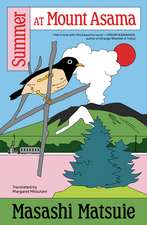 Summer at Mount AsamaMasashi Matsuie-18%Preț: 77.53 lei94.61 lei
 -
 Sleeping on Paper Boats, Vol. 1Teki Yatsuda-19%Preț: 58.63 lei71.98 leiRecomandat
 -
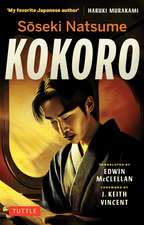 Soseki Natsume Kokoro: A Classic Novel of JapanSoseki NatsumePreț: 92.57 lei
De ce să citești această carte
Recomandăm această carte cititorilor care caută o proză rafinată, unde atmosfera contează mai mult decât intriga. Veți câștiga o înțelegere profundă a esteticii japoneze „mono no aware” — sensibilitatea față de efemeritatea lucrurilor. Este un titlu esențial pentru oricine dorește să exploreze literatura laureată cu Nobel, oferind o poartă de acces către universul unui maestru al preciziei emoționale și al peisajului interior.
Despre autor
Yasunari Kawabata (1899–1972) a fost un romancier și nuvelist japonez a cărui proză lirică și subtil nuanțată i-a adus Premiul Nobel pentru Literatură în 1968, fiind primul scriitor nipon care a primit această distincție. Rămas orfan la o vârstă fragedă, Kawabata și-a dedicat viața scrisului, devenind o figură centrală a „școlii lirice” în literatura japoneză. Opera sa este celebră pentru modul în care reușește să topească structurile narative occidentale în sensibilitatea tradițională estetică a Japoniei. Stilul său, adesea comparat cu poezia haiku pentru claritatea și profunzimea sa, a influențat generații de scriitori și rămâne un punct de referință în literatura universală.
Notă biografică
Snow Country is translated from the Japanese by Edward G. Seidensticker (1921-2007), who was a prominent scholar of Japanese literature.
Descriere scurtă
Shimamura is tired of the bustling city. He takes the train through the snow to the mountains of the west coast of Japan, to meet with a geisha he believes he loves. Beautiful and innocent, Komako is tightly bound by the rules of a rural geisha, and lives a life of servitude and seclusion that is alien to Shimamura. Snow Country is both delicate and subtle, reflecting in Kawabata's exact, lyrical writing the unspoken love and understated passion of the young Japanese couple.
Recenzii
—The Time Literary Supplement (London)
“Kawabata’s novels are among the most affecting and original works of our time.”
—The New York Times Book Review