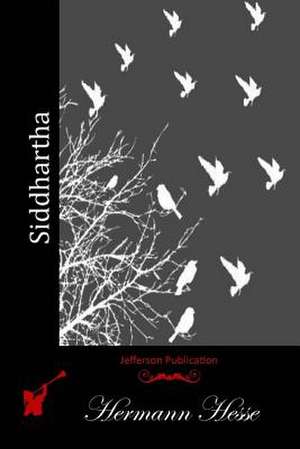
Siddhartha
Autor Hermann Hesseen Limba Engleză Paperback – vârsta de la 18 ani
Cine a parcurs Siddhartha - Bilingual Edition, German & English va recunoaște aici aceeași căutare fundamentală a sensului existenței, însă această ediție din Shambhala Pocket Library propune o experiență de lectură mult mai intimă și contemplativă. Observăm cum traducerea semnată de Sherab Chodzin Kohn reușește să distileze nuanțele filosofice ale textului original într-un limbaj fluid, care pune accent pe dimensiunea meditativă a călătoriei. Găsim în acest volum nu doar povestea unui tânăr brahman care își părăsește căminul în căutarea iluminării, ci o explorare profundă a dualității dintre asceză și experiența senzorială. Spre deosebire de alte versiuni, volumul de față este îmbogățit de o introducere care ne permite să privim în spatele cortinei procesului creativ al lui Herman Hesse. Prin analiza jurnalelor și a corespondenței sale private, înțelegem că parcursul lui Siddhartha — de la întâlnirea cu Buddha până la viața simplă a unui luntraș — reflectă propriile conflicte interioare ale autorului. Ritmul narațiunii este așezat, invitând la o parcurgere lentă, în care natura și mintea umană se oglindesc reciproc. Această versiune portabilă păstrează forța alegorică a textului publicat inițial în 1922, oferind o perspectivă proaspătă asupra modului în care înțelepciunea orientală a fost reinterpretată de spiritul european, devenind un reper cultural global.
Preț: 45.08 lei
Carte disponibilă
Livrare economică 13-27 noiembrie
Specificații
ISBN-10: 1511931906
Pagini: 86
Dimensiuni: 152 x 229 x 5 mm
Greutate: 0.13 kg
Editura: CreateSpace Independent Publishing Platform
V-ar putea interesa
-
 Wuthering HeightsEmily BrontëPreț: 28.01 lei
 -
 Lady Chatterley's LoverD. H. LawrencePreț: 28.01 lei
 -
 A Game of Thrones. 20th Anniversary Illustrated EditionGeorge R. R. MartinPreț: 319.89 lei
 -
 The Handmaid's TaleMargaret Atwood-18%Preț: 59.78 lei72.48 lei
 -
 -19%Preț: 52.53 lei64.66 lei
 -
 Purple CowSeth Godin-20%Preț: 62.24 lei77.87 lei
 -
 Small GiantsBo Burlingham-25%Preț: 69.52 lei92.87 lei
 -
 Physics of the FutureMichio Kaku-30%Preț: 65.78 lei94.01 lei
 -
 The Veiled WomanAnais Nin-39%Preț: 17.27 lei28.37 lei
 -
 SteppenwolfHermann HessePreț: 71.25 lei
 -
 OutlanderDiana GabaldonPreț: 68.30 lei
 -
 Think and Grow RichNapoleon HillPreț: 55.56 lei
 -
 GodReza Aslan-19%Preț: 64.68 lei79.49 lei
 -
 The Millionaire FastlaneM. J. DemarcoPreț: 135.36 lei
 -
 Harry Potter, The Complete Collection, De LuxeJ. K. Rowling-14%Preț: 999.98 lei1162.76 lei
 -
 -35%Preț: 37.44 lei57.64 lei
 -
 -26%Preț: 69.42 lei93.51 lei
 -
 The Richest Man in BabylonGeorge Samuel ClasonPreț: 82.92 lei
 -
 The Way of the Superior ManDavid DeidaPreț: 112.02 lei
 -
 Tools of TitansTimothy Ferriss-22%Preț: 153.70 lei195.99 lei
 -
 The Anatomy of LonelinessTeal SwanPreț: 94.01 lei
 -
 Social ContractJean-Jaques RousseauPreț: 42.87 lei
 -
 DemianHermann HessePreț: 62.50 lei
 -
 The PrinceNiccolò MachiavelliPreț: 33.48 lei
Recenzii de la cititorii Books Express
Serju Dumitrescu a dat nota:
Este o carte minunata de care am aflat dintr-o alta carte extraordinara (Tim Ferriss-Instrumentele titanilor). A fost recomandata de 4 titani din cartea lui Tim Ferriss si mi-am propus sa o citesc. Reprezinta drumul pe care il parcurge un om, Siddhartha, spre iluminare. Trece prin mai multe etape de evolutie in calea catre desavarsire: om sarac, om bogat, om sarac, iluminat. Este o carte care "sapa" adanc in constiinta noastra si ne da speranta tuturor, in sensul ca nu conteaza in ce faza de evolutie suntem. Toti putem sa avansam. Spor la citit!
De ce să citești această carte
Recomandăm această ediție cititorilor care caută o conexiune profundă cu textul lui Herman Hesse într-un format ergonomic. Este o lectură esențială pentru cei interesați de intersecția dintre literatura clasică și spiritualitatea orientală, oferind o traducere care respectă tăcerile și momentele de introspecție ale personajului. Câștigați o perspectivă documentată asupra vieții autorului și o piesă de colecție cu o estetică deosebită.
Despre autor
Herman Hesse (1877–1962) a fost un scriitor german, laureat al Premiului Nobel pentru Literatură în 1946, a cărui operă explorează adesea dualitatea spiritului uman și căutarea autenticității. Profund influențat de filozofia indiană și de budism, Hesse a scris Siddhartha după o perioadă de criză personală și studiu intens al tradițiilor orientale. Co-autorul acestei ediții, Sherab Chodzin Kohn, este un traducător renumit de texte budiste, aducând o expertiză valoroasă în redarea conceptelor metafizice în limba engleză, păstrând în același timp lirismul specific lui Hesse.
Descriere scurtă
Notă biografică
Descriere
This classic of twentieth-century literature chronicles the spiritual evolution of a man living in India at the time of the Buddha—a tale that has inspired generations of readers. We are invited along on Siddhartha’s journey, experiencing his highs, lows, loves, and disappointments along with the beauty and intricacies of the mind, the natural world, and everything he encounters on the path to enlightenment. Sherab Chödzin Kohn’s flowing, poetic translation conveys the philosophical and spiritual nuances of Hesse’s text, paying special attention to the meditative experience. The introduction to this edition explores Hesse’s own spiritual journey as evidenced in his journals and personal letters and the wide-ranging impact Siddhartha has had, and continues to have, on American culture. This book is part of the Shambhala Pocket Library series. The Shambhala Pocket Library is a collection of short, portable teachings from notable figures across religious traditions and classic texts. The covers in this series are rendered by Colorado artist Robert Spellman. The books in this collection distill the wisdom and heart of the work Shambhala Publications has published over 50 years into a compact format that is collectible, reader-friendly, and applicable to everyday life.
Cuprins
1. The Brahmin's Son
2. With the Samanas
3. Gotama
4. Awakening
5. Kamala
6. Amongst the People
7. Samsara
8. By the River
9. The Ferryman
10. The Son
11. Om
12. Govinda