
Radical Legacies: Twentieth-Century Public Intellectuals in the United States: Lexington Books
Autor Arthur Reddingen Limba Engleză Paperback – 7 aug 2017
Din seria Lexington Books
- 32%
 Preț: 729.63 lei
 - 59%
 Preț: 427.24 lei
 - 35%
 Preț: 574.44 lei
 - 22%
 Preț: 341.76 lei
 - 31%
 Preț: 437.25 lei
 - 28%
 Preț: 352.50 lei
 - 23%
 Preț: 321.53 lei
 - 23%
 Preț: 333.36 lei
 - 23%
 Preț: 327.54 lei
 - 35%
 Preț: 593.04 lei
 - 33%
 Preț: 358.06 lei
 - 26%
 Preț: 363.28 lei
 - 25%
 Preț: 362.03 lei
 - 22%
 Preț: 330.56 lei
 - 28%
 Preț: 346.74 lei
 - 24%
 Preț: 308.07 lei
 - 23%
 Preț: 321.63 lei
 - 27%
 Preț: 263.04 lei
 - 24%
 Preț: 369.89 lei
 - 25%
 Preț: 884.44 lei
 - 36%
 Preț: 730.77 lei
 - 29%
 Preț: 345.71 lei
 - 34%
 Preț: 537.45 lei
 - 33%
 Preț: 428.79 lei
 - 34%
 Preț: 616.07 lei
 - 29%
 Preț: 342.12 lei
 - 26%
 Preț: 362.85 lei
 - 22%
 Preț: 338.89 lei
 - 28%
 Preț: 356.18 lei
 - 23%
 Preț: 321.63 lei
 - 28%
 Preț: 346.74 lei
 - 22%
 Preț: 340.40 lei
 - 29%
 Preț: 345.71 lei
 - 23%
 Preț: 318.96 lei
 - 37%
 Preț: 660.07 lei
 - 27%
 Preț: 355.41 lei
 - 32%
 Preț: 727.58 lei
 - 24%
 Preț: 313.51 lei
 - 28%
 Preț: 614.62 lei
 - 24%
 Preț: 309.62 lei
 - 34%
 Preț: 630.22 lei
 - 34%
 Preț: 575.26 lei
 - 34%
 Preț: 607.70 lei
 - 33%
 Preț: 639.19 lei
 - 33%
 Preț: 642.37 lei
 - 33%
 Preț: 640.95 lei
 - 25%
 Preț: 369.74 lei
Preț: 324.62 lei
Preț vechi: 422.24 lei
-23%
Puncte Express: 487
Carte tipărită la comandă
Livrare economică 02-16 decembrie
Livrare prin curier în România Termenul estimat este afișat lângă disponibilitate.
Transport gratuit de la 400.00 lei Plată online sau ramburs, în funcție de opțiunile comenzii.
Retur gratuit în 14 zile Comandă securizată și suport în română.
Specificații
ISBN-13: 9781498512688
ISBN-10: 1498512682
Pagini: 172
Dimensiuni: 148 x 232 x 13 mm
Greutate: 0.25 kg
Editura: Bloomsbury Publishing
Colecția Lexington Books
Seria Lexington Books
Locul publicării:New York, United States
ISBN-10: 1498512682
Pagini: 172
Dimensiuni: 148 x 232 x 13 mm
Greutate: 0.25 kg
Editura: Bloomsbury Publishing
Colecția Lexington Books
Seria Lexington Books
Locul publicării:New York, United States
V-ar putea interesa
-
 -18%Preț: 82.79 lei101.22 lei
 -
 The Happy Reader - Issue 9Penguin-17%Preț: 17.88 lei21.50 lei
 -
 Advertisements for MyselfNorman Mailer-17%Preț: 79.20 lei95.36 lei
 -
 Many VoicesAlice Bellis-7%Preț: 358.74 lei384.97 lei
 -
 The H.G. Wells ReaderJohn HuntingtonPreț: 174.94 lei
 -
 Folklife and Museums: Twenty-First Century PerspectivesC. Kurt Dewhurst-11%Preț: 398.39 lei447.63 lei
 -
 Disentangling ConsciencismMartin Odei Ajei-18%Preț: 811.93 lei990.16 lei
 -
 -26%Preț: 362.66 lei487.03 lei
 -
 -33%Preț: 711.29 lei1054.48 lei
 -
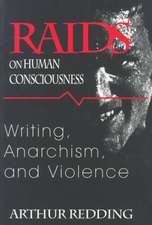 Raids on Human ConsciousnessArthur F ReddingPreț: 132.53 lei
 -
 Stories from the City of God: Sketches and Chronicles of RomePier Paolo PasoliniPreț: 108.76 lei
 -
 Jane Austen and the Arts: Elegance, Propriety, and HarmonyNatasha Duquette-25%Preț: 361.04 lei482.78 lei
 -
 -29%Preț: 345.19 lei483.79 lei
 -
 -24%Preț: 150.13 lei197.04 lei
 -
 Preț: 260.15 lei
 -
 Hard to LoveBriallen Hopper-25%Preț: 91.71 lei122.29 lei
 -
 In TruthMatthew FraserPreț: 179.01 lei
 -
 In Praise of Messy LivesKatie RoiphePreț: 92.54 lei
 -
 -21%Preț: 830.66 lei1048.71 lei
 -
 Probe de empatie: EseuriLeslie JamisonPreț: 37.57 lei
Cuprins
Acknowledgments
Introduction: The Uselessness of American Intellectuals.
Chapter One: Be Free!: Globalism and Democratic Pedagogy in Henry James and Henry Adams
Chapter Two: World War I and the Origins of the National Security State: Mary Antin, Randolph Bourne, and Emma Goldman
Chapter Three: Mary McCarthy's Swizzle Sticks: Food, Drink, and Consumerism in the American Depression
Chapter Four: Herman Melville's Cold War: Re-reading C. L. R. James's Mariners, Renegades, and Castaways
Chapter Five: Turning Poetry into Bread: Langston Hughes, Travel-writing, and the Professionalization of African-American Literary Production
Chapter Six: Legacies of the New Left: Paul Goodman, C. Wright Mills, and Angela Davis
Conclusion: Thought during Wartime: American Public Intellectuals in the Twenty-first Century
Notes
Bibliography
Introduction: The Uselessness of American Intellectuals.
Chapter One: Be Free!: Globalism and Democratic Pedagogy in Henry James and Henry Adams
Chapter Two: World War I and the Origins of the National Security State: Mary Antin, Randolph Bourne, and Emma Goldman
Chapter Three: Mary McCarthy's Swizzle Sticks: Food, Drink, and Consumerism in the American Depression
Chapter Four: Herman Melville's Cold War: Re-reading C. L. R. James's Mariners, Renegades, and Castaways
Chapter Five: Turning Poetry into Bread: Langston Hughes, Travel-writing, and the Professionalization of African-American Literary Production
Chapter Six: Legacies of the New Left: Paul Goodman, C. Wright Mills, and Angela Davis
Conclusion: Thought during Wartime: American Public Intellectuals in the Twenty-first Century
Notes
Bibliography
Recenzii
American literary historian Arthur Redding presents six essays on such radical American thinkers as Henry James, Henry Adams, Herman Melville, Langston Hughes, Emma Goldman, Paul Goodman, C. Wright Mills, and Angela Davis (Redding calls Davis 'one of the most compelling activist-philosophers alive'). These public intellectuals have raised deeply disturbing concerns about conservative tendencies in US culture and politics. Redding considers his subjects to be 'radical' in their formulation of hopeless Utopian causes such as prison abolition, pacifism, gender equity, racial equality, and economic justice. The word 'legacies' in the title alludes to the idea that the thinking of these writers is radical rather than reformist. They do not accommodate themselves to any of the conservative policies of the US government. Redding's aim is to keep alive some of this reflective resistance to, as he writes in chapter 1, US 'neo-imperial barbarism.' Redding reminds readers of the fact, so often ignored, that the US has achieved many progressive socialist goals, among them the eight-hour workday, the elimination of child labor, the extension of the vote to women and minorities, recognition of the right to collective bargaining, social security, public education, and Keynesian economics. Summing Up: Highly recommended. All readers.