
Planning the Home Front: Building Bombers and Communities at Willow Run: Historical Studies of Urban America
Autor Sarah Jo Petersonen Limba Engleză Hardback – 22 mai 2013
Găsim în această carte o analiză riguroasă a modului în care mobilizarea industrială pentru cel de-al Doilea Război Mondial a redefinit radical peisajul urban american. Planning the Home Front se deschide cu studiul de caz al uzinei Willow Run, un punct focal unde efortul de a construi un bombardier pe oră s-a ciocnit de realitățile administrative ale creării unei comunități de la zero. Recomandăm acest volum pentru modul în care documentează negocierile dintre liderii sindicali, industriași și oficialii guvernamentali, oferind o perspectivă tehnică asupra „Arsenalului Democrației”.
Structura narativă urmărește o progresie cronologică și tematică clară, de la răspunsul local în fața industrializării bruște, până la capitolele critice despre segregarea rasială și criza locuințelor pentru apărare. Merită menționat că Sarah Jo Peterson nu se limitează la istoria militară, ci investighează fundamentele politice ale suburbanizării postbelice. Cartea funcționează ca o alternativă academică la The Arsenal of Democracy de A.J. Baime pentru cursurile de istorie urbană sau politici publice. Dacă titlul lui Baime pune accent pe narațiunea dramatică a familiei Ford, lucrarea de față aduce avantajul unei analize structurale asupra planificării regionale și a tensiunilor sociale.
Prin utilizarea celor 19 ilustrații și a hărților incluse, Planning the Home Front demonstrează cum deciziile logistice de război au setat cadrul pentru explozia suburbană a Americii. Este o resursă esențială pentru înțelegerea modului în care guvernanța federală a interacționat cu interesele locale în momente de criză totală.
Din seria Historical Studies of Urban America
- 8%
 Preț: 612.68 lei
 -
 Preț: 249.79 lei
 -
 Preț: 198.23 lei
 -
 Preț: 143.80 lei
 -
 Preț: 201.25 lei
 - 8%
 Preț: 614.77 lei
 -
 Preț: 140.78 lei
 -
 Preț: 255.22 lei
 -
 Preț: 211.13 lei
 -
 Preț: 217.70 lei
 -
 Preț: 336.21 lei
 -
 Preț: 203.62 lei
 -
 Preț: 188.71 lei
 -
 Preț: 253.29 lei
 -
 Preț: 233.71 lei
 -
 Preț: 217.39 lei
 -
 Preț: 219.27 lei
 -
 Preț: 210.15 lei
 -
 Preț: 243.08 lei
 -
 Preț: 267.74 lei
 -
 Preț: 276.61 lei
 -
 Preț: 264.40 lei
 -
 Preț: 234.77 lei
 -
 Preț: 224.09 lei
 -
 Preț: 238.45 lei
 -
 Preț: 249.44 lei
 -
 Preț: 233.08 lei
 -
 Preț: 239.55 lei
 -
 Preț: 178.59 lei
 -
 Preț: 251.29 lei
 -
 Preț: 298.09 lei
 -
 Preț: 284.68 lei
 -
 Preț: 233.39 lei
 -
 Preț: 252.45 lei
 -
 Preț: 253.08 lei
 -
 Preț: 266.54 lei
 -
 Preț: 220.63 lei
 -
 Preț: 310.02 lei
 -
 Preț: 338.38 lei
 -
 Preț: 261.94 lei
 -
 Preț: 201.07 lei
 -
 Preț: 238.45 lei
Preț: 355.60 lei
Carte disponibilă
Livrare economică 15-29 mai
Livrare express 01-07 mai pentru 42.70 lei
Specificații
ISBN-10: 022602542X
Pagini: 376
Ilustrații: 19 halftones, 2 maps
Dimensiuni: 152 x 229 x 33 mm
Greutate: 0.65 kg
Editura: University of Chicago Press
Colecția University of Chicago Press
Seria Historical Studies of Urban America
V-ar putea interesa
-
 John F. KennedyRobert Dallek-20%Preț: 65.47 lei82.12 lei
 -
 -12%Preț: 202.85 lei231.36 lei
 -
 -18%Preț: 385.37 lei470.01 lei
 -
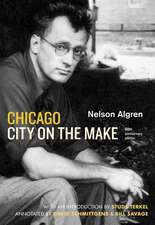 Chicago: City on the Make: Sixtieth Anniversary EditionNelson AlgrenPreț: 113.40 lei
 -
 Lost Prophet: The Life and Times of Bayard RustinJohn D'EmilioPreț: 156.69 lei
 -
 Heat Wave: A Social Autopsy of Disaster in ChicagoEric KlinenbergPreț: 119.33 lei
 -
 Preț: 286.51 lei
 -
 Liberalizing the MindSally F. GriffithPreț: 287.85 lei
 -
 Moctezuma's Children: Aztec Royalty under Spanish Rule, 1520–1700Donald E. ChipmanPreț: 173.76 lei
 -
 Water and Ritual: The Rise and Fall of Classic Maya RulersLisa J. LuceroPreț: 193.51 lei
 -
 Preț: 290.79 lei
 -
 Preț: 134.95 lei
 -
 Preț: 125.50 lei
De ce să citești această carte
Această lucrare este esențială pentru specialiștii în urbanism și istoricii care doresc să înțeleagă rădăcinile suburbanizării americane. Cititorul câștigă o perspectivă documentată asupra modului în care logistica de război a modelat orașele moderne, dincolo de mitul eficienței industriale. Este o recomandare solidă pentru cei interesați de intersecția dintre politicile publice, drepturile civile și dezvoltarea industrială în secolul XX.
Despre autor
Sarah Jo Peterson este un cercetător independent cu o carieră de peste două decenii în domeniul planificării urbane. Expertiza sa profesională în urbanism îi permite să analizeze arhivele istorice dintr-o perspectivă tehnică, concentrându-se pe mecanismele de guvernare și dezvoltare regională. În Planning the Home Front, Peterson sintetizează ani de cercetare asupra modului în care infrastructura socială și industrială au fost negociate în Statele Unite în timpul perioadei New Deal și a celui de-al Doilea Război Mondial.
Descriere scurtă
Notă biografică
Cuprins
List of Abbreviations
Chronology
Introduction
1 The Bomber Plant
Conclusion
Acknowledgments