Peanuts
Autor Charles M. Schulzen Limba Engleză Paperback – 29 sep 2026
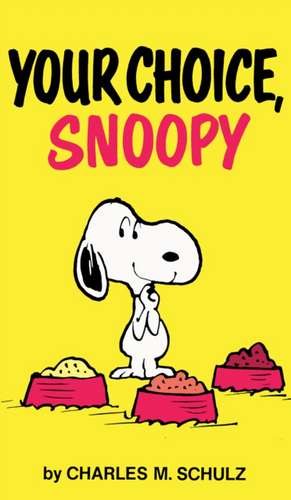
Găsim în această ediție specială a Peanuts o incursiune nostalgică organizată cronologic, reflectând evoluția stilistică a lui Charles M Schulz din perioada 1962-1965. Structura volumului respectă formatul original de facsimil, oferind cititorului experiența autentică a benzilor desenate duminicale, unde ritmul narativ este dictat de alternanța dintre umorul observațional și micile drame cotidiene ale grupului de prieteni. Suntem de părere că această colecție reușește să surprindă exact momentul în care personajele își cristalizează personalitățile care i-au consacrat la nivel mondial. Abordarea amintește de Snoopy prin concentrarea pe dinamica grupului și pe farmecul desenului minimalist, dar adaugă o dimensiune istorică valoroasă, fiind o replică fidelă a ediției de acum șase decenii. Descoperim aici o latură mai așezată a umorului lui Schulz, diferită de tonul reflexiv din The Philosophy of Snoopy sau de cel pur contemplativ din The Wisdom of Woodstock. Dacă lucrările menționate anterior funcționează ca antologii tematice de citate și momente cheie, volumul de față ne permite să urmărim continuitatea poveștilor așa cum au fost ele savurate de publicul anilor '60. Experiența de lectură este una fluidă, alternând între melancolia lui Charlie Brown și entuziasmul exuberant al lui Snoopy. Această lucrare completează perfect proiectele de anvergură ale autorului, precum The Complete Peanuts 1991-1992, oferind însă o poartă de acces mai directă și mai puțin intimidantă pentru cei care doresc să redescopere farmecul începuturilor acestui fenomen cultural.
Preț: 43.45 lei
Precomandă
Carte nepublicată încă
Specificații
ISBN-10: 1806182785
Pagini: 128
Dimensiuni: 130 x 198 x 7 mm
Greutate: 0.2 kg
Editura: Titan Books IWUK
V-ar putea interesa
-
 Dive, Dolphin!National Geographic KidsPreț: 52.41 lei
 -
 Preț: 61.48 lei
 -
 OFFICIAL PEANUTS_OFFICIAL P HBCharles M. SchulzPreț: 71.69 lei
 -
 Nothing but Fun in Noisy VillageAstrid Lindgren-5%Preț: 47.21 lei49.44 lei
 -
 The Children of Noisy VillageAstrid Lindgren-6%Preț: 46.56 lei49.43 lei
 -
 The Peanuts Book: A Visual History of the Iconic Comic StripSimon Beecroft-15%Preț: 127.84 lei150.75 lei
 -
 Charlie Brown and Friends: A PEANUTS CollectionCharles M. Schulz-15%Preț: 56.39 lei66.69 lei
 -
 Snoopy: Cowabunga!: A PEANUTS CollectionCharles M. Schulz-15%Preț: 56.31 lei66.53 lei
 -
 Celebrating Peanuts: 65 YearsCharles M. Schulz-13%Preț: 214.13 lei244.91 lei
 -
 Charlie Brown: All Tied UpCharles M Schulz-20%Preț: 52.43 lei65.57 lei
 -
 The Complete Peanuts 1991-1992Charles M SchulzPreț: 184.23 lei
 -
 The Complete Peanuts Volume 13: 1975-1976Charles M. SchulzPreț: 148.17 lei
 -
 The Complete Peanuts Volume 14: 1977-1978Charles M. SchulzPreț: 147.89 lei
 -
 The Complete Peanuts Volume 15: 1979-1980Charles M. SchulzPreț: 147.96 lei
 -
 The Complete Peanuts Volume 17: 1983-1984Charles M. SchulzPreț: 148.58 lei
 -
 The Complete Peanuts Volume 19: 1987-1988Charles M. SchulzPreț: 147.83 lei
 -
 The Complete Peanuts Volume 22: 1993-1994Charles M. SchulzPreț: 147.89 lei
 -
 More PeanutsCharles M. Schulz-17%Preț: 29.91 lei36.13 lei
 -
 SnoopyCharles M. Schulz-17%Preț: 29.94 lei36.14 lei
 -
 Peanuts for the SoulCharles M. SchulzPreț: 90.84 lei
 -
 -18%Preț: 103.47 lei126.70 lei
 -
 The Complete Peanuts Volume 01: 1950-1952Charles M. SchulzPreț: 148.25 lei
 -
 The Complete Peanuts 1957-1958Charles M. SchulzPreț: 147.96 lei
De ce să citești această carte
Pentru colecționari și iubitori de benzi desenate clasice, acest volum reprezintă o piesă de istorie culturală. Cititorul câștigă acces la o ediție facsimil rară, care păstrează estetica originală a anilor '60. Este motivul perfect pentru a te deconecta, explorând universul inocent dar profund al lui Charlie Brown, într-un format compact, ideal pentru momentele de relaxare.
Despre autor
Charles M. Schulz (1922–2000) a fost un desenator american, considerat unul dintre cei mai influenți artiști de benzi desenate din toate timpurile. Timp de 50 de ani, el a scris și desenat singur fiecare episod din seria Peanuts, creând un univers care a depășit barierele de limbă și vârstă. Lucrările sale, de la seria monumentală Complete Peanuts, The: 1999-2000 and Comics & Stories Gift Box Set până la volume inspiraționale, explorează teme universale precum reziliența, prietenia și micile eșecuri umane, transformând un simplu beagle și stăpânul său în simboluri eterne ale culturii populare.