
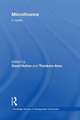
Microfinance: A Reader: Routledge Studies in Development Economics
Editat de David Hulme, Thankom Arunen Limba Engleză Paperback – 15 iul 2010
Urgența înțelegerii mecanismelor de microfinanțare nu a fost niciodată mai mare, într-o economie globală unde prăpastia dintre incluziunea financiară și supraîndatorare se adâncește rapid. Putem afirma că volumul Microfinance semnat de Arvind Ashta este instrumentul de decodificare necesar acum pentru a naviga între cele două viziuni extreme: microcreditul ca salvator mesianic al săracilor sau ca demon capitalist. Remarcăm o structură analitică riguroasă care nu se limitează la cifre, ci tratează sărăcia ca pe o „Hydra” mitologică, necesitând un arsenal complex de strategii etice, tehnologice și instituționale.
Ca și Douglas Cumming în Microfinance for Entrepreneurial Development, autorul distilează experiență reală în principii acționabile, oferind o perspectivă critică asupra modului în care inovațiile financiare trebuie adaptate contextului local. Ceea ce diferențiază această lucrare este abordarea sa multidisciplinară; Arvind Ashta demonstrează că succesul unei inițiative de dezvoltare depinde de intersecția dintre drept, geografie și viteză tehnologică. În contextul operei sale, această carte reprezintă o sinteză evolutivă, continuând temele explorate în Advanced Technologies for Microfinance și A Realistic Theory of Social Entrepreneurship. Dacă lucrările anterioare se concentrau pe impactul tehnologiei sau pe cadre teoretice, Microfinance integrează aceste elemente într-un ghid practic și teoretic esențial pentru investitori și cercetători. Este o lectură care nu mai poate fi amânată de cei care doresc să înțeleagă viitorul finanțelor etice.
Din seria Routledge Studies in Development Economics
- 8%
 Preț: 535.76 lei
 - 18%
 Preț: 1132.95 lei
 -
 Preț: 460.32 lei
 - 18%
 Preț: 1255.17 lei
 - 18%
 Preț: 1309.77 lei
 - 15%
 Preț: 528.45 lei
 -
 Preț: 429.59 lei
 - 18%
 Preț: 1249.23 lei
 - 15%
 Preț: 429.33 lei
 - 18%
 Preț: 1309.15 lei
 - 18%
 Preț: 796.24 lei
 - 18%
 Preț: 1365.42 lei
 - 18%
 Preț: 1257.96 lei
 - 18%
 Preț: 1440.97 lei
 - 18%
 Preț: 1301.74 lei
 - 18%
 Preț: 1311.86 lei
 - 18%
 Preț: 1253.62 lei
 - 18%
 Preț: 1253.07 lei
 - 18%
 Preț: 1312.90 lei
 - 18%
 Preț: 1259.00 lei
 -
 Preț: 471.04 lei
 - 18%
 Preț: 1252.01 lei
 - 18%
 Preț: 762.67 lei
 -
 Preț: 443.89 lei
 - 18%
 Preț: 792.05 lei
 - 18%
 Preț: 1254.47 lei
 - 18%
 Preț: 1485.46 lei
 - 18%
 Preț: 1309.15 lei
 - 18%
 Preț: 1251.34 lei
 - 18%
 Preț: 803.43 lei
 - 18%
 Preț: 1427.36 lei
 - 18%
 Preț: 1264.59 lei
 - 18%
 Preț: 1252.37 lei
 - 18%
 Preț: 1131.91 lei
 - 18%
 Preț: 1062.90 lei
 - 18%
 Preț: 1261.09 lei
 - 18%
 Preț: 1312.90 lei
 -
 Preț: 475.20 lei
 - 18%
 Preț: 1308.72 lei
 -
 Preț: 450.55 lei
 - 18%
 Preț: 791.01 lei
 -
 Preț: 319.06 lei
 - 18%
 Preț: 1256.21 lei
 - 18%
 Preț: 1253.77 lei
 - 18%
 Preț: 1311.86 lei
 - 18%
 Preț: 1255.17 lei
Preț: 463.17 lei
Preț vechi: 544.91 lei
-15%
Carte tipărită la comandă
Livrare economică 17 noiembrie-01 decembrie
Specificații
ISBN-10: 0415596904
Pagini: 256
Ilustrații: 16 Line drawings, black and white; 31 Tables, black and white; 16 Illustrations, black and white
Dimensiuni: 156 x 234 x 14 mm
Greutate: 0.47 kg
Ediția:1
Editura: Taylor & Francis
Colecția Routledge
Seria Routledge Studies in Development Economics
Locul publicării:Oxford, United Kingdom
V-ar putea interesa
-
 LeadershipMarian Iszatt-White-21%Preț: 407.33 lei516.63 lei
 -
 -20%Preț: 878.32 lei1097.90 lei
 -
 -18%Preț: 1389.08 lei1693.99 lei
 -
 International Human Resource ManagementDaniel WintersbergerPreț: 415.20 lei
 -
 -22%Preț: 1225.51 lei1571.16 lei
 -
 Applied Corporate Finance 4eAswath Damodaran-18%Preț: 1086.83 lei1325.41 lei
 -
 -15%Preț: 650.90 lei765.77 lei
 -
 Marketing ResearchNaresh Malhotra-11%Preț: 660.38 lei742.00 lei
 -
 Consumer Behavior, Global EditionLeon G. Schiffman-15%Preț: 663.10 lei780.12 lei
 -
 -13%Preț: 631.52 lei725.88 lei
 -
 Marketing ResearchDan Nunan-9%Preț: 620.23 lei681.57 lei
 -
 -10%Preț: 512.41 lei569.34 lei
 -
 Computer Networks, Global EditionAndrew Tanenbaum-20%Preț: 744.22 lei930.28 lei
 -
 Illustrated Microsoft Office 365 & Excel 2016: ComprehensiveElizabeth Eisner Reding-20%Preț: 548.10 lei681.83 lei
 -
 MICROECONOMICS 13/ERoger A. (California State UniversitySan Marcos) Arnold-23%Preț: 484.57 lei629.56 lei
 -
 -18%Preț: 1211.09 lei1476.93 lei
 -
 Tour Operators and OperationsJacqueline HollandPreț: 324.74 lei
 -
 Teaching EntrepreneurshipPeter Van Der Sijde-15%Preț: 635.62 lei747.78 lei
Public țintă
PostgraduateDe ce să citești această carte
Merită menționat că această carte oferă claritate într-un domeniu marcat de controverse. Cititorul va câștiga o înțelegere profundă a modului în care microfinanțarea poate fi utilizată ca instrument de impact social real, fără a cădea în capcanele îndatorării. Este o resursă indispensabilă pentru profesioniștii din bănci, ONG-uri și investitori care caută să echilibreze obiectivele financiare cu misiunea socială în piețele emergente.
Despre autor
Arvind Ashta este un expert recunoscut în domeniul finanțelor, cu o carieră dedicată cercetării impactului social al mecanismelor economice. Lucrările sale anterioare, precum Advanced Technologies for Microfinance, au pus bazele înțelegerii digitalizării în sectorul financiar pentru persoanele cu venituri mici. Prin contribuția sa în seria Business and Innovation, Ashta se poziționează ca un teoretician pragmatic, capabil să conecteze inovația tehnologică cu realitățile sociologice ale antreprenoriatului social, oferind soluții concrete pentru provocările economice contemporane.
Descriere scurtă
This timely book, written by one of the major players in the UK in development economics explores, amongst others, topics such as:
- microfinance and poverty reduction
- microfinance, gender and social development
- microinsurance
- regulating and supervising microfinance institutions.
Cuprins
Notă biografică
Thankom Arun is Reader in International Finance at Lancashire Business School, University of Central Lancashire and Honorary Senior Fellow at the Schoool of Environment and Development at the University of Manchester.
Recenzii
Jonathan Morduch, Professor of Public Policy and Economics at New York University Wagner Graduate School of Public Service and co-author of The Economics of Microfinance
"This is a book that weaves together issues and debates on microfinance, both classic and contemporary with a forward looking perspective. A must have for microfinance enthusiasts."
Dr Imran Matin, Executive Director, BRAC-Africa
"Here's where to direct people who ask for a deeper understanding of microfinance. Hulme and Arun have chosen readings that touch on all the major themes, and set them between essays on where microfinance came from and where it's going. Just what's needed."
Stuart Rutherford