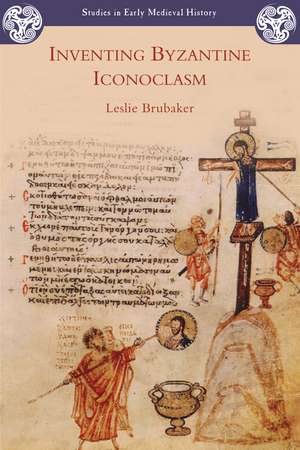
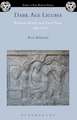
Inventing Byzantine Iconoclasm: Studies in Early Medieval History
Autor Leslie Brubakeren Limba Engleză Paperback – 10 mai 2012

Preț: 189.35 lei
Preț vechi: 247.85 lei
-24%
Puncte Express: 284
Carte tipărită la comandă
Livrare economică 08-22 iunie
Specificații
ISBN-13: 9781853997501
ISBN-10: 1853997501
Pagini: 160
Ilustrații: 25 black and white illustrations
Dimensiuni: 152 x 232 x 12 mm
Greutate: 0.24 kg
Ediția:New.
Editura: Bloomsbury Publishing
Colecția Bristol Classical Press
Seria Studies in Early Medieval History
Locul publicării:London, United Kingdom
ISBN-10: 1853997501
Pagini: 160
Ilustrații: 25 black and white illustrations
Dimensiuni: 152 x 232 x 12 mm
Greutate: 0.24 kg
Ediția:New.
Editura: Bloomsbury Publishing
Colecția Bristol Classical Press
Seria Studies in Early Medieval History
Locul publicării:London, United Kingdom
V-ar putea interesa
-
 Life in a Medieval CityFrances GiesPreț: 96.87 lei
 -
 Spiritual Rationality: Papal Embargo as Cultural PracticeStefan K. Stantchev-34%Preț: 841.15 lei1272.56 lei
 -
 The Normans and EmpireDavid Bates-31%Preț: 484.56 lei700.31 lei
 -
 -15%Preț: 350.97 lei412.01 lei
 -
 Preț: 118.68 lei
 -
 Gender in the Early Medieval World: East and West, 300–900Leslie BrubakerPreț: 344.53 lei
 -
 The Cambridge History of Magic and Witchcraft in the WestDavid J Collins S J-23%Preț: 1136.68 lei1476.21 lei
 -
 Introduction to Medieval HistoryMatthew Moran-18%Preț: 177.64 lei216.11 lei
 -
 Archaeology, Theory and the Middle AgesJohn Moreland-12%Preț: 311.87 lei353.93 lei
 -
 -19%Preț: 173.98 lei214.03 lei
 -
 Medieval Church ArchitectureJon Cannon-32%Preț: 50.49 lei73.96 lei
 -
 -18%Preț: 1202.15 lei1466.04 lei
 -
 Byzantium in the Iconoclast Era, c. 680–850: A HistoryLeslie BrubakerPreț: 368.72 lei
 -
 -15%Preț: 452.65 lei532.52 lei
 -
 -26%Preț: 795.90 lei1071.59 lei
 -
 Knights TemplarGraeme Davis-33%Preț: 69.16 lei102.63 lei
 -
 The War On Heresy: Faith and Power in Medieval EuropeProfessor R. I. Moore-20%Preț: 71.94 lei89.60 lei
Cuprins
List of illustrations
Abbreviations
Preface and Acknowledgements
1. Introduction: what is Byzantine iconoclasm?
2. The background
3. The beginnings of the image struggle
4. Constantine V, the 754 synod and the imposition of an official anti-image policy
5. The iconophile intermission
6. The iconoclasts return
7. The 'triumph of orthodoxy' and the impact of the image crisis
8. Conclusions: the impact of iconomachy and the invention of 'iconoclasm'
Index
Abbreviations
Preface and Acknowledgements
1. Introduction: what is Byzantine iconoclasm?
2. The background
3. The beginnings of the image struggle
4. Constantine V, the 754 synod and the imposition of an official anti-image policy
5. The iconophile intermission
6. The iconoclasts return
7. The 'triumph of orthodoxy' and the impact of the image crisis
8. Conclusions: the impact of iconomachy and the invention of 'iconoclasm'
Index