
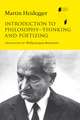
Introduction to Philosophy – Thinking and Poetizing: Studies in Continental Thought
Autor Martin Heidegger, Phillip Jacques Braunsteinen Limba Engleză Hardback – 10 ian 2011
| Toate formatele și edițiile | Preț | Express |
|---|---|---|
| Paperback (1) | 118.80 lei 6-8 săpt. | |
| MH – Indiana University Press – 16 oct 2016 | 118.80 lei 6-8 săpt. | |
| Hardback (1) | 191.63 lei 6-8 săpt. | |
| MH – Indiana University Press – 10 ian 2011 | 191.63 lei 6-8 săpt. |
Din seria Studies in Continental Thought
-
 Preț: 269.11 lei
 -
 Preț: 297.78 lei
 -
 Preț: 250.05 lei
 -
 Preț: 229.41 lei
 -
 Preț: 331.32 lei
 -
 Preț: 110.33 lei
 - 14%
 Preț: 678.75 lei
 -
 Preț: 147.86 lei
 -
 Preț: 214.76 lei
 -
 Preț: 393.92 lei
 -
 Preț: 148.70 lei
 -
 Preț: 262.36 lei
 -
 Preț: 142.54 lei
 -
 Preț: 336.51 lei
 -
 Preț: 285.17 lei
 -
 Preț: 118.80 lei
 -
 Preț: 158.71 lei
 -
 Preț: 120.52 lei
 -
 Preț: 159.07 lei
 -
 Preț: 158.13 lei
 -
 Preț: 176.08 lei
 -
 Preț: 301.50 lei
 -
 Preț: 178.20 lei
 -
 Preț: 156.58 lei
 -
 Preț: 285.69 lei
 -
 Preț: 187.96 lei
 -
 Preț: 220.88 lei
 -
 Preț: 185.47 lei
 -
 Preț: 385.15 lei
 -
 Preț: 156.30 lei
 -
 Preț: 190.10 lei
 -
 Preț: 178.85 lei
 -
 Preț: 281.83 lei
 -
 Preț: 152.87 lei
 -
 Preț: 181.80 lei
 -
 Preț: 188.66 lei
 -
 Preț: 228.09 lei
 -
 Preț: 215.86 lei
 -
 Preț: 217.92 lei
 -
 Preț: 269.94 lei
 -
 Preț: 254.20 lei
 -
 Preț: 175.79 lei
 -
 Preț: 311.49 lei
 -
 Preț: 126.63 lei
 -
 Preț: 228.20 lei
 -
 Preț: 152.58 lei
 -
 Preț: 245.23 lei
Preț: 191.63 lei
Nou
Puncte Express: 287
Preț estimativ în valută:
33.90€ • 39.56$ • 29.64£
33.90€ • 39.56$ • 29.64£
Carte tipărită la comandă
Livrare economică 16-30 ianuarie 26
Preluare comenzi: 021 569.72.76
Specificații
ISBN-13: 9780253355911
ISBN-10: 0253355915
Pagini: 96
Ilustrații: 2 b&w illustrations
Dimensiuni: 161 x 222 x 13 mm
Greutate: 0.25 kg
Editura: MH – Indiana University Press
Seria Studies in Continental Thought
ISBN-10: 0253355915
Pagini: 96
Ilustrații: 2 b&w illustrations
Dimensiuni: 161 x 222 x 13 mm
Greutate: 0.25 kg
Editura: MH – Indiana University Press
Seria Studies in Continental Thought
V-ar putea interesa
-
 Cognitive PhenomenologyTim Bayne-6%Preț: 311.53 lei333.14 lei
 -
 -7%Preț: 567.15 lei607.28 lei
 -
 The Origins of MusicCarl Stumpf-22%Preț: 478.00 lei616.49 lei
 -
 On the Heights of DespairE. M. CioranPreț: 203.62 lei
 -
 Preț: 279.26 lei
 -
 The Figure of Nature – On Greek OriginsJohn Sallis-23%Preț: 485.90 lei631.04 lei
 -
 Phenomenal Gender – What Transgender Experience DisclosesEphraim Das JanssenPreț: 152.51 lei
 -
 Edmund Husserl`s Phenomenology – A Critical CommentaryJames M. EdiePreț: 116.54 lei
 -
 The Basic Problems of Phenomenology, Revised EditionMartin HeideggerPreț: 174.57 lei
 -
 Remembering, Second Edition – A Phenomenological StudyEdward S. CaseyPreț: 269.94 lei
 -
 Imagining, Second Edition – A Phenomenological StudyEdward S. CaseyPreț: 228.95 lei
 -
 The New Husserl – A Critical ReaderDonn WeltonPreț: 246.26 lei
 -
 Preț: 232.18 lei
 -
 The Cambridge Companion to ExistentialismSteven CrowellPreț: 236.13 lei
 -
 Preț: 138.96 lei
 -
 Preț: 125.74 lei
 -
 The Deleuze and Guattari DictionaryEugene B. Young-17%Preț: 186.65 lei225.62 lei
 -
 Statues: The Second Book of FoundationsProfessor Michel Serres-42%Preț: 255.06 lei442.78 lei
 -
 Thing, The – A Phenomenology of HorrorDylan TriggPreț: 87.38 lei
 -
 Preț: 364.99 lei
 -
 Preț: 375.15 lei
Cuprins
Editor's Foreword
Translator's Foreword
Introduction
Introduction to Philosophy as a Guide to Genuine Thinking through the Thinker Nietzsche and the Poet Hölderlin
1. The Impossibility of an Intro-duction to Philosophy
2. The Need for a Guide to Become at Home in Genuine Thinking
3. The Manifold Ways for a Guide to Genuine Thinking. The Question: "What Now Is?"
4. The Consideration of Thinking in its Relation to Poetizing as One of the Ways for a Guide to Genuine Thinking. Nietzsche and Hölderlin
5. The Confrontation with Thinking that Encounters us Historically: Nietzsche's Main and Fundamental Thought
Review (First Draft)
Chapter 1
The Fundamental Experience and Fundamental Attunement of Nietzsche's Thinking
6. The Godlessness and Worldlessness of the Modern Human as Nietzsche's Fundamental Experience
a) The "Creation" of the Gods by Humans
b) The Scope of the Thought of the Human as the "Creating One," the "Creative" in the Human
c) The "Metaphysical" Ground of the Thought of the Creative Human: The Modern Determination of the Essence of the Human
d) Thought in a Greek Way
e) The Worldlessness of the Modern Human
7. The Homelessness of the Modern Human as Nietzsche's Fundamental Attunement
a) The Loss of the Previous Home in the Anticipating and Searching for the New Home
b) Rationality that Merely Calculates and the Forgetting of the Western Historical Determination
Chapter 2
The Creation of the New Home Out of the Will to Power
8. The Homeless Ones as the Conquerors and Discoverers of the New Home
9. Nietzsche's Main Thought: The Will to Power as Essenz (Essence) of Beings and as the Final Fact. The Veiled Difference between Being and Beings
Thinking and Poetizing
Considerations for the Lecture
Introduction
Thinking and Poetizing: Philosophy and Poetry ( and )
1. The Comparing of Thinking and Poetizing. Genuine Comparing
2. The Measure-Setting of the Decisive Thinkers and Poets for the Assessment of the Essence of Thinking and Poetizing
3. The Necessity of a Preparation for the Hearing of Thinking and Poetizing
4. Reflection on Thinking and Poetizing and Their Relationship. The Question-Worthy as the Standard for Contemplation
Supplements
Second Version of the Review: Introduction to Philosophy-Thinking and Poetizing
Review of pp. 105ff. (Nietzsche. On the Relationship between Thinking and Poetizing)
Second Version of the Manuscript pp. 4-5: On Thinking and Poetizing. Considerations for the Lecture (Preliminary Questions for the Reflection on Thinking and Poetizing)
Two Fragmentary Versions of Manuscript p. 12
a) First Fragmentary Version
b) Second Fragmentary Version
Notes to the Lecture: Introduction to Philosophy-Thinking and Poetizing
The Eternal Return of the Same
The Will to Power-the Eternal Return of the Same
Appendix to Nietzsche's Metaphysics
Notes to Nietzsche's Metaphysics
Who Is Zarathustra? A Confrontation with Nietzsche
Nietzsche's Thus Spoke Zarathustra
Return and Übermensch
Eternal Return of the Same and bermensch
Zarathustra's Preface
Lecture Announcements: Transcriptions and Facsimiles
Editor's Afterword
Translator's Foreword
Introduction
Introduction to Philosophy as a Guide to Genuine Thinking through the Thinker Nietzsche and the Poet Hölderlin
1. The Impossibility of an Intro-duction to Philosophy
2. The Need for a Guide to Become at Home in Genuine Thinking
3. The Manifold Ways for a Guide to Genuine Thinking. The Question: "What Now Is?"
4. The Consideration of Thinking in its Relation to Poetizing as One of the Ways for a Guide to Genuine Thinking. Nietzsche and Hölderlin
5. The Confrontation with Thinking that Encounters us Historically: Nietzsche's Main and Fundamental Thought
Review (First Draft)
Chapter 1
The Fundamental Experience and Fundamental Attunement of Nietzsche's Thinking
6. The Godlessness and Worldlessness of the Modern Human as Nietzsche's Fundamental Experience
a) The "Creation" of the Gods by Humans
b) The Scope of the Thought of the Human as the "Creating One," the "Creative" in the Human
c) The "Metaphysical" Ground of the Thought of the Creative Human: The Modern Determination of the Essence of the Human
d) Thought in a Greek Way
e) The Worldlessness of the Modern Human
7. The Homelessness of the Modern Human as Nietzsche's Fundamental Attunement
a) The Loss of the Previous Home in the Anticipating and Searching for the New Home
b) Rationality that Merely Calculates and the Forgetting of the Western Historical Determination
Chapter 2
The Creation of the New Home Out of the Will to Power
8. The Homeless Ones as the Conquerors and Discoverers of the New Home
9. Nietzsche's Main Thought: The Will to Power as Essenz (Essence) of Beings and as the Final Fact. The Veiled Difference between Being and Beings
Thinking and Poetizing
Considerations for the Lecture
Introduction
Thinking and Poetizing: Philosophy and Poetry ( and )
1. The Comparing of Thinking and Poetizing. Genuine Comparing
2. The Measure-Setting of the Decisive Thinkers and Poets for the Assessment of the Essence of Thinking and Poetizing
3. The Necessity of a Preparation for the Hearing of Thinking and Poetizing
4. Reflection on Thinking and Poetizing and Their Relationship. The Question-Worthy as the Standard for Contemplation
Supplements
Second Version of the Review: Introduction to Philosophy-Thinking and Poetizing
Review of pp. 105ff. (Nietzsche. On the Relationship between Thinking and Poetizing)
Second Version of the Manuscript pp. 4-5: On Thinking and Poetizing. Considerations for the Lecture (Preliminary Questions for the Reflection on Thinking and Poetizing)
Two Fragmentary Versions of Manuscript p. 12
a) First Fragmentary Version
b) Second Fragmentary Version
Notes to the Lecture: Introduction to Philosophy-Thinking and Poetizing
The Eternal Return of the Same
The Will to Power-the Eternal Return of the Same
Appendix to Nietzsche's Metaphysics
Notes to Nietzsche's Metaphysics
Who Is Zarathustra? A Confrontation with Nietzsche
Nietzsche's Thus Spoke Zarathustra
Return and Übermensch
Eternal Return of the Same and bermensch
Zarathustra's Preface
Lecture Announcements: Transcriptions and Facsimiles
Editor's Afterword
Recenzii
Heidegger's Introduction to Philosophy--Thinking and Poetizing sheds important light on his thinking in 1944, when the lectures of which it is composed were given. By way of discussing Nietzsche's poems in terms of the distinction between thinking and poetizing, it clarifies both what that distinction is and how it works in Heidegger's thought. Wisely chosen appendices and supplements give further clarification. The translation, by Phillip Jacques Braunstein, is superlative. Braunstein has deep knowledge of Heidegger and of German, and his instincts are unerring. He manages well the inevitable trade-offs between English readability and faithfulness to the German. This will be recognized as one of the best translations of Heidegger into English ever produced. The combination of illuminating texts by Heidegger and the brilliant translationby Braunstein recommend the book for adoption in advanced undergraduate courses.--John McCumber, University of California, Los Angeles
Notă biografică
Descriere
Heidegger's last public university lecture before the end of World War II