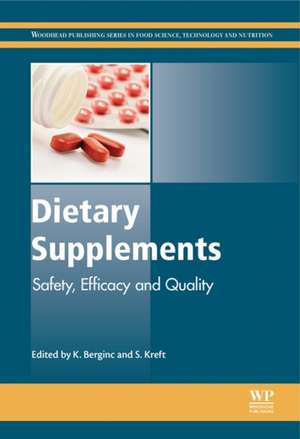
Dietary Supplements: Safety, Efficacy and Quality: Woodhead Publishing Series in Food Science, Technology and Nutrition
Editat de Katja Berginc, Samo Kreften Limba Engleză Hardback – 10 noi 2014
- Reviews the design, production and regulation of dietary supplements.
- Analyses the potential for pharmacokinetic and pharmacodynamics interactions between dietary supplements and pharmaceuticals.
- Offers reviews of important clinical studies on the efficacy of dietary supplements for range of conditions.
Din seria Woodhead Publishing Series in Food Science, Technology and Nutrition
- 30%
 Preț: 1183.90 lei
 - 22%
 Preț: 1408.36 lei
 - 26%
 Preț: 1037.57 lei
 - 31%
 Preț: 1302.72 lei
 - 26%
 Preț: 1285.57 lei
 - 26%
 Preț: 1049.95 lei
 - 25%
 Preț: 1816.66 lei
 - 30%
 Preț: 1182.03 lei
 - 27%
 Preț: 1169.15 lei
 - 31%
 Preț: 1020.37 lei
 - 30%
 Preț: 1116.53 lei
 - 26%
 Preț: 1287.84 lei
 - 25%
 Preț: 1293.43 lei
 - 32%
 Preț: 1154.34 lei
 - 31%
 Preț: 1334.48 lei
 - 25%
 Preț: 1293.90 lei
 - 32%
 Preț: 931.33 lei
 - 31%
 Preț: 1063.01 lei
 - 30%
 Preț: 1343.11 lei
 - 26%
 Preț: 883.85 lei
 - 27%
 Preț: 1370.81 lei
 - 31%
 Preț: 1100.66 lei
 - 33%
 Preț: 1020.99 lei
 - 9%
 Preț: 1130.40 lei
 - 27%
 Preț: 1163.87 lei
 - 31%
 Preț: 1110.29 lei
 - 23%
 Preț: 1769.16 lei
 - 31%
 Preț: 1380.11 lei
 - 26%
 Preț: 1133.18 lei
 - 32%
 Preț: 1303.85 lei
 - 26%
 Preț: 1225.61 lei
 - 26%
 Preț: 1047.63 lei
 - 26%
 Preț: 1255.61 lei
 - 30%
 Preț: 1051.39 lei
 - 26%
 Preț: 877.12 lei
 - 25%
 Preț: 1369.19 lei
 - 26%
 Preț: 881.44 lei
 - 26%
 Preț: 1229.34 lei
 - 25%
 Preț: 1579.83 lei
 - 30%
 Preț: 410.24 lei
 - 30%
 Preț: 1486.98 lei
 - 30%
 Preț: 1321.78 lei
 - 26%
 Preț: 964.38 lei
 - 9%
 Preț: 1095.27 lei
 - 26%
 Preț: 1411.78 lei
 - 31%
 Preț: 1101.97 lei
 - 31%
 Preț: 1258.22 lei
Preț: 1218.84 lei
Preț vechi: 1683.33 lei
-28%
Puncte Express: 1828
Carte tipărită la comandă
Livrare economică 30 noiembrie-14 decembrie
Livrare prin curier în România Termenul estimat este afișat lângă disponibilitate.
Transport gratuit pentru acest produs Plată online sau ramburs, în funcție de opțiunile comenzii.
Retur gratuit în 14 zile Comandă securizată și suport în română.
Specificații
ISBN-13: 9781782420767
ISBN-10: 1782420762
Pagini: 260
Dimensiuni: 152 x 229 x 24 mm
Greutate: 0.53 kg
Editura: ELSEVIER SCIENCE
Seria Woodhead Publishing Series in Food Science, Technology and Nutrition
ISBN-10: 1782420762
Pagini: 260
Dimensiuni: 152 x 229 x 24 mm
Greutate: 0.53 kg
Editura: ELSEVIER SCIENCE
Seria Woodhead Publishing Series in Food Science, Technology and Nutrition
V-ar putea interesa
-
 The Microbiological Quality of Food: Foodborne SpoilersAntonio Bevilacqua-32%Preț: 1078.76 lei1578.22 lei
 -
 -23%Preț: 543.61 lei704.45 lei
 -
 -20%Preț: 636.71 lei794.73 lei
 -
 Novel Macromolecules in Food SystemsG. Doxastakis-27%Preț: 1455.22 lei1993.46 lei
 -
 Essentials Of Functional FoodsTheodore P. Labuza-18%Preț: 992.73 lei1210.64 lei
 -
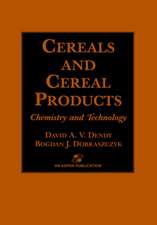 Cereals and Cereal Products: Technology and ChemistryBogdan J. Dobraszczyk-18%Preț: 994.42 lei1212.70 lei
 -
 -15%Preț: 662.46 lei779.36 lei
 -
 Shelf Life Evaluation of FoodsAdrian A. Jones-18%Preț: 1441.27 lei1757.64 lei
 -
 Fermentation and Food SafetyM. J. R. Nout-18%Preț: 985.45 lei1201.76 lei
 -
 Capillary Electrophoresis for Food AnalysisRichard A Frazier-11%Preț: 627.07 lei704.57 lei
 -
 Handbook of Antioxidants for Food PreservationFereidoon Shahidi-31%Preț: 1258.22 lei1829.00 lei
 -
 -23%Preț: 1769.16 lei2297.61 lei
 -
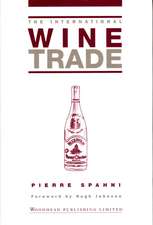 The International Wine TradePierre Spahni-26%Preț: 1075.22 lei1450.69 lei
Cuprins
- List of contributors
- Woodhead Publishing Series in Food Science, Technology and Nutrition
- Introduction
- Part One: General issues
- 1: Dietary supplement labelling and health claims
- Abstract
- 1.1 Introduction: the regulatory situation in the European Union (EU)
- 1.2 Labelling requirements
- 1.3 Nutrition claims
- 1.4 Health claims
- 1.5 Borderline substances: between foods and medicine
- 1.6 Conclusions
- Acknowledgements
- Appendix: abbreviations
- 2: Good manufacturing practice (GMP) in the production of dietary supplements
- Abstract
- 2.1 Introduction
- 2.2 Key issues related to good manufacturing practice/good hygienic practice (GMP/GHP) implementation
- 2.3 Documentation of GMP
- 2.4 Benefits and drawbacks of GMP use in organisations
- 2.5 Summary
- 3: Analysing the composition of fortified foods and supplements: the case of vitamins
- Abstract
- 3.1 Introduction
- 3.2 Extraction and purification methods
- 3.3 High performance liquid chromatography (HPLC)
- 3.4 Gas chromatography (GC)
- 3.5 Capillary electrophoresis (CE)
- 3.6 Spectroscopic methods
- 3.7 Microbiological methods
- 3.8 Immunoassays
- 3.9 Other methods
- 3.10 Future trends
- 1: Dietary supplement labelling and health claims
- Part Two: Drug–supplement interactions
- 4: Pharmacokinetic interactions between drugs and dietary supplements: herbal supplements
- Abstract
- 4.1 Introduction
- 4.2 Herbals: introduction
- 4.3 Hypericum perforatum (St John's Wort (SJW))
- 4.4 Allium sativum (garlic)
- 4.5 Ginkgo biloba (ginkgo)
- 4.6 Panax ginseng (ginseng), Piper methysticum (kava kava) and Serenoa repens (saw palmetto)
- 4.7 Echinacea purpurea (purple coneflower), Vaccinium macrocarpon (cranberry) and Silybum marianum (milk thistle)
- 4.8 Hydrastis canadensis (goldenseal), Valeriana officinalis (valerian) and Cimicifuga racemosa (black cohosh)
- 4.9 Glycine max (soy), Camellia sinensis (green tea) and Zingiber officinale (ginger)
- 4.10 Morinda citrifolia (noni), Aloe vera (aloe), Vitis vinifera (grape seed) and Curcuma longa (turmeric)
- 4.11 Stevia rebaudiana (stevia), Lepidium meyenii (maca) and Garcinia mangostana (mangosteen)
- 4.12 Summary
- 5: Pharmacokinetic interactions between drugs and dietary supplements: probiotic and lipid supplements
- Abstract
- 5.1 Introduction
- 5.2 Probiotics and drug delivery in the colon
- 5.3 Probiotics: summary
- 5.4 Lipids and drug delivery
- 5.5 Lipidic excipients and drug release
- 5.6 Summary: pharmacokinetic drug–lipid interactions
- 6: Pharmacokinetic interactions between drugs and dietary supplements: carbohydrate, protein, vitamin and mineral supplements
- Abstract
- 6.1 Introduction
- 6.2 Carbohydrates as dietary supplements
- 6.3 Carbohydrates as pharmaceutical excipients and prodrugs
- 6.4 Carbohydrates: summary
- 6.5 Proteins, peptides, and amino acids
- 6.6 The impact of proteins on drug pharmacokinetics and their use as prodrugs
- 6.7 Proteins: summary
- 6.8 Vitamins
- 6.9 Vitamins: summary
- 6.10 Minerals and oligoelements
- 6.11 Minerals: summary
- 7: Pharmacodynamic interactions between drugs and dietary supplements
- Abstract
- 7.1 Introduction
- 7.2 Vitamins
- 7.3 Minerals
- 7.4 Herbal supplements
- 7.5 Antioxidants
- 7.6 Conclusion
- 4: Pharmacokinetic interactions between drugs and dietary supplements: herbal supplements
- Part Three: Vitamins, minerals and probiotics as dietary supplements
- 8: Vitamins/minerals as dietary supplements: a review of clinical studies
- Abstract
- 8.1 Introduction: efficacy in clinical trials does not guarantee practical impact
- 8.2 Are some natural metabolites conditionally essential nutrients?
- 8.3 Use of supplements to improve micronutrient adequacy
- 8.4 Do folic acid supplements prevent neural tube defects (NTDs)?
- 8.5 Do supplements of the ACE vitamins and selenium reduce cancer and heart disease mortality?
- 8.6 Do vitamin C supplements prevent or ameliorate the common cold?
- 8.7 Do vitamin D (and calcium) supplements improve bone health and have wider benefits?
- 8.8 Can supplements of essential minerals reduce blood pressure?
- 8.9 Should parents in areas without fluoridated water give their children fluoride supplements?
- 8.10 Do micronutrients improve immune function in the elderly?
- 8.11 Conclusions
- 9: Reviewing clinical studies of probiotics as dietary supplements: probiotics for gastrointestinal disorders, Helicobacter eradication, lactose malabsorption and inflammatory bowel disease (IBD)
- Abstract
- 9.1 Introduction
- 9.2 Probiotics for gastrointestinal disorders
- 9.3 Probiotics for Helicobacter eradication
- 9.4 Probiotics for lactose malabsorption
- 9.5 Probiotics for inflammatory bowel disease (IBD) and associated conditions
- 9.6 Safety of probiotics
- 9.7 Conclusions and future trends
- 10: Reviewing clinical studies of probiotics as dietary supplements: probiotics for atopic and allergic disorders, urinary tract and respiratory infections
- Abstract
- 10.1 Introduction
- 10.2 Probiotics for atopic and allergic disorders
- 10.3 Probiotics for urogenital infections
- 10.4 Probiotics for respiratory tract infections
- 10.5 Conclusions
- 11: Reviewing clinical studies of probiotics as dietary supplements: probiotics for oral healthcare, rheumatoid arthritis, cancer prevention, metabolic diseases and postoperative infections
- Abstract
- 11.1 Introduction
- 11.2 Probiotics for oral healthcare
- 11.3 Probiotics for rheumatoid arthritis
- 11.4 Probiotics for cancer prevention
- 11.5 Probiotics for metabolic diseases
- 11.6 Probiotics for postoperative infections
- 11.7 Conclusions
- 8: Vitamins/minerals as dietary supplements: a review of clinical studies
- Index