
Basil: Effetti Negativi Sui Costumi: Cambridge Studies in Medieval Life and Thought: Fourth Serie
Autor Wilkie Collinsen Limba Engleză Paperback – 27 sep 2012
Din seria Cambridge Studies in Medieval Life and Thought: Fourth Serie
-
 Preț: 170.16 lei
 -
 Preț: 145.19 lei
 -
 Preț: 35.52 lei
 -
 Preț: 109.91 lei
 -
 Preț: 73.83 lei
 -
 Preț: 79.63 lei
 -
 Preț: 119.04 lei
 -
 Preț: 84.49 lei
 -
 Preț: 201.08 lei
 -
 Preț: 91.19 lei
 -
 Preț: 124.44 lei
 -
 Preț: 100.01 lei
 -
 Preț: 49.72 lei
 -
 Preț: 130.66 lei
 -
 Preț: 106.22 lei
 -
 Preț: 49.88 lei
 -
 Preț: 62.24 lei
 -
 Preț: 134.02 lei
 -
 Preț: 77.58 lei
 -
 Preț: 83.27 lei
 -
 Preț: 70.24 lei
 -
 Preț: 74.51 lei
 -
 Preț: 84.99 lei
 -
 Preț: 96.28 lei
 -
 Preț: 66.43 lei
 -
 Preț: 135.12 lei
 -
 Preț: 65.82 lei
 -
 Preț: 136.70 lei
 -
 Preț: 59.62 lei
 -
 Preț: 107.34 lei
 -
 Preț: 93.30 lei
 -
 Preț: 152.07 lei
 -
 Preț: 37.10 lei
 -
 Preț: 62.58 lei
 -
 Preț: 50.52 lei
 -
 Preț: 82.60 lei
 -
 Preț: 196.88 lei
 -
 Preț: 130.35 lei
 -
 Preț: 124.73 lei
 -
 Preț: 50.68 lei
 -
 Preț: 52.69 lei
 -
 Preț: 62.04 lei
 -
 Preț: 47.75 lei
 -
 Preț: 84.30 lei
 -
 Preț: 89.37 lei
 -
 Preț: 49.93 lei
 -
 Preț: 78.61 lei
 -
 Preț: 64.04 lei
 -
 Preț: 98.53 lei
Preț: 101.49 lei
Puncte Express: 152
Carte disponibilă
Livrare economică 04-18 noiembrie
Livrare prin curier în România Termenul estimat este afișat lângă disponibilitate.
Transport gratuit de la 400.00 lei Plată online sau ramburs, în funcție de opțiunile comenzii.
Retur gratuit în 14 zile Comandă securizată și suport în română.
Specificații
ISBN-13: 9781480006898
ISBN-10: 1480006890
Pagini: 274
Dimensiuni: 152 x 229 x 15 mm
Greutate: 0.37 kg
Editura: CREATESPACE
Seria Cambridge Studies in Medieval Life and Thought: Fourth Serie
ISBN-10: 1480006890
Pagini: 274
Dimensiuni: 152 x 229 x 15 mm
Greutate: 0.37 kg
Editura: CREATESPACE
Seria Cambridge Studies in Medieval Life and Thought: Fourth Serie
V-ar putea interesa
-
 Sense and SensibilityJane AustenPreț: 28.01 lei
 -
 The VowStefanie LondonPreț: 71.22 lei
 -
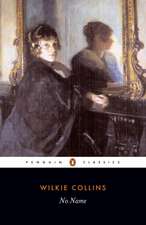 No NameWilkie Collins-22%Preț: 64.06 lei82.16 lei
 -
 ArmadaleWilkie Collins-27%Preț: 70.84 lei96.87 lei
 -
 The Law and the LadyWilkie CollinsPreț: 74.51 lei
 -
 Man and WifeWilkie Collins-16%Preț: 74.95 lei89.14 lei
 -
 The Picture of Dorian GrayOscar WildePreț: 35.93 lei
 -
 Pride and PrejudiceJane Austen-16%Preț: 37.01 lei44.28 lei
 -
 Jezebel's DaughterWilkie CollinsPreț: 51.13 lei
 -
 Blind LoveWilkie CollinsPreț: 56.74 lei
 -
 Poor Miss FinchWilkie CollinsPreț: 61.77 lei
 -
 The Art of a LieLaura Shepherd-RobinsonPreț: 107.46 lei
 -
 The Dream WomanWilkie CollinsPreț: 49.88 lei
 -
 Preț: 160.21 lei
 -
 The Country WifeWilliam Wycherley-35%Preț: 62.66 lei96.40 lei
 -
 The Woman in WhiteWilkie CollinsPreț: 33.00 lei
 -
 Oliver TwistCharles DickensPreț: 37.41 lei
 -
 The MoonstoneWilkie CollinsPreț: 32.30 lei
 -
 Preț: 34.20 lei
Descriere
Descriere de la o altă ediție sau format:
In Basil's secret and unconsummated marriage to the linen-draper's sexually precocious daughter, and the shocking betrayal, insanity, and death that follow, Collins reveals the bustling, commercial London of the nineteenth century wreaking its vengeance on a still powerful aristocratic world. Contemporary reviewers vehemently disapproved of this explicit treatment of adultery; and even today the passionate and lurid atmosphere he creates still has the power to disturb the reader. ABOUT THE SERIES: For over 100 years Oxford World's Classics has made available the widest range of literature from around the globe. Each affordable volume reflects Oxford's commitment to scholarship, providing the most accurate text plus a wealth of other valuable features, including expert introductions by leading authorities, helpful notes to clarify the text, up-to-date bibliographies for further study, and much more.
In Basil's secret and unconsummated marriage to the linen-draper's sexually precocious daughter, and the shocking betrayal, insanity, and death that follow, Collins reveals the bustling, commercial London of the nineteenth century wreaking its vengeance on a still powerful aristocratic world. Contemporary reviewers vehemently disapproved of this explicit treatment of adultery; and even today the passionate and lurid atmosphere he creates still has the power to disturb the reader. ABOUT THE SERIES: For over 100 years Oxford World's Classics has made available the widest range of literature from around the globe. Each affordable volume reflects Oxford's commitment to scholarship, providing the most accurate text plus a wealth of other valuable features, including expert introductions by leading authorities, helpful notes to clarify the text, up-to-date bibliographies for further study, and much more.
Notă biografică
Wilkie Collins (1824-1889) was an English novelist and playwright. Born in London, Collins was raised in England, Italy, and France by William Collins, a renowned landscape painter, and his wife Harriet Geddes. After working for a short time as a tea merchant, he published Antonina (1850), his literary debut. He quickly became known as a leading author of sensation novels, a popular genre now recognized as a forerunner to detective fiction. Encouraged on by the success of his early work, Collins made a name for himself on the London literary scene. He soon befriended Charles Dickens, forming a strong bond grounded in friendship and mentorship that would last several decades. His novels The Woman in White (1859) and The Moonstone (1868) are considered pioneering examples of mystery and detective fiction, and enabled Collins to become financially secure. Toward the end of the 1860s, at the height of his career, Collins began to suffer from numerous illnesses, including gout and opium addiction, which contributed to his decline as a writer. Beyond his literary work, Collins is seen as an early advocate for marriage reform, criticizing the institution and living a radically open romantic lifestyle.
Textul de pe ultima copertă
In BASIL'S secret and unconsummated marriage to Margaret Sherwin, the linen-draper's sexually precocious daughter, and the consequent shocks and horrors of betrayal, insanity, and death, Collins reveals the bustling, commercial London of the first half of the nineteenth century wreaking its vengeance on a still powerful aristocratic world. But although BASIL himself does not recognize them, the story forces other conflicts on the reader's attention-between man's sexual and romantic needs and between men's and women's sexuality.