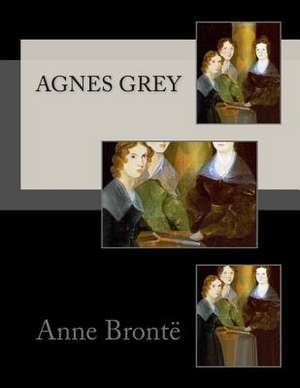
Agnes Grey
Autor Anne Bronteen Limba Engleză Paperback
Preț: 102.65 lei
Carte indisponibilă temporar
Specificații
ISBN-10: 1507802439
Pagini: 96
Dimensiuni: 216 x 279 x 5 mm
Greutate: 0.25 kg
Editura: CREATESPACE
V-ar putea interesa
-
 Jane EyreCharlotte BrontëPreț: 28.01 lei
 -
 Preț: 28.01 lei
 -
 Tenant of Wildfell HallAnne BrontePreț: 28.01 lei
 -
 Jane EyreCharlotte BrontePreț: 28.01 lei
 -
 The Bronte SistersCharlotte BrontëPreț: 161.92 lei
 -
 The Tenant of Wildfell HallAnne Brontë-16%Preț: 56.15 lei66.79 lei
 -
 Agnes GreyAnne Brontë-18%Preț: 41.85 lei50.87 lei
 -
 VilletteCharlotte Brontë-15%Preț: 57.63 lei67.67 lei
 -
 The ProfessorCharlotte BrontëPreț: 58.52 lei
 -
 Pride and PrejudiceJane Austen-16%Preț: 37.01 lei44.28 lei
 -
 VilletteCharlotte BrontëPreț: 42.09 lei
 -
 Fantastic Beasts and Where to Find Them: New EditionJ. K. Rowling-36%Preț: 68.41 lei107.33 lei
 -
 Quidditch Through the Ages: New EditionJ. K. RowlingPreț: 57.36 lei
 -
 The Tales of Beedle the Bard: New EditionJ. K. Rowling-27%Preț: 41.71 lei57.09 lei
 -
 -30%Preț: 210.91 lei300.94 lei
 -
 Anne of the IslandLucy Maud MontgomeryPreț: 43.26 lei
 -
 Agnes GreyActon BellPreț: 80.95 lei
 -
 WaverleyWalter ScottPreț: 74.57 lei
 -
 -18%Preț: 59.36 lei72.43 lei
 -
 Agnes Grey/The Tenant of Wildfell HallAnne Bronte-15%Preț: 108.52 lei127.68 lei
 -
 VilletteCharlotte BrontëPreț: 39.25 lei
 -
 ProfessorCharlotte BrontëPreț: 36.06 lei
 -
 Agnes GreyAnne BrontëPreț: 35.73 lei
 -
 Jane Eyre The Graphic NovelCharlotte BrontePreț: 74.40 lei
 -
 Anne Brontë ReimaginedAdelle Hay-18%Preț: 59.12 lei72.29 lei
Notă biografică
Descriere
Agnes Grey exposes the harsh working conditions of a young governess who's hired by multiple families, including the overly critical Bloomfields and the delusional Murrays. While on assignment, Agnes endures consistent cruelty, forcing her to look inward for strength and encouragement. Agnes is a young woman who comes from an impoverished background. Eager for financial independence, she accepts a position as a governess for an upper-class family. Agnes is initially charged with the Bloomfield children, who are unruly and slightly sadistic. The oldest boy, Tom, is particularly threatening, as he likes to capture and harm small animals. Agnes also engages with the extremely wealthy Murrays and their daughters, Matilda and Rosalie, who are in dire need of direction. Agnes attempts to navigate her growing responsibilities, while maintaining her morals and resilience. In Agnes Grey, Anne Brontë examines a common plight among working-class people. It offers a revealing look at the corruptive nature of wealth, and the moral differences between the haves and the have nots. It goes beyond the surface to expose an unflattering but honest reality. With an eye-catching new cover, and professionally typeset manuscript, this edition of Agnes Grey is both modern and readable.