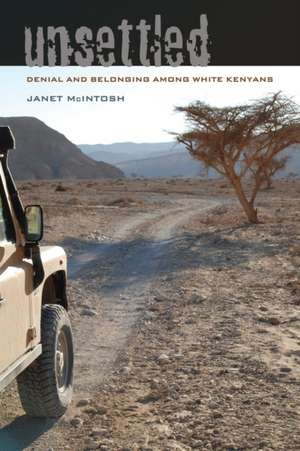
Unsettled: University of California Press
Autor Janet Mcintoshen Limba Engleză Paperback – 26 apr 2016
Din seria University of California Press
- 16%
 Preț: 603.40 lei
 - 27%
 Preț: 718.91 lei
 -
 Preț: 278.09 lei
 -
 Preț: 287.15 lei
 -
 Preț: 243.99 lei
 -
 Preț: 327.81 lei
 -
 Preț: 280.76 lei
 -
 Preț: 280.61 lei
 -
 Preț: 250.38 lei
 - 5%
 Preț: 273.97 lei
 - 14%
 Preț: 584.65 lei
 - 23%
 Preț: 560.85 lei
 -
 Preț: 286.67 lei
 - 23%
 Preț: 568.62 lei
 - 23%
 Preț: 507.53 lei
 - 23%
 Preț: 562.36 lei
 -
 Preț: 296.26 lei
 - 23%
 Preț: 565.31 lei
 -
 Preț: 270.87 lei
 -
 Preț: 288.38 lei
 - 23%
 Preț: 508.30 lei
 - 23%
 Preț: 561.82 lei
 - 23%
 Preț: 561.87 lei
 -
 Preț: 326.56 lei
 -
 Preț: 250.32 lei
 - 23%
 Preț: 559.15 lei
 - 23%
 Preț: 468.62 lei
 -
 Preț: 314.96 lei
 -
 Preț: 544.54 lei
 -
 Preț: 319.08 lei
 -
 Preț: 294.63 lei
 - 23%
 Preț: 563.97 lei
 -
 Preț: 356.53 lei
 - 23%
 Preț: 564.30 lei
 -
 Preț: 253.85 lei
 -
 Preț: 244.79 lei
 - 23%
 Preț: 563.01 lei
 -
 Preț: 293.97 lei
 - 23%
 Preț: 565.58 lei
 -
 Preț: 269.12 lei
 - 23%
 Preț: 560.56 lei
 -
 Preț: 295.42 lei
 - 23%
 Preț: 564.09 lei
 - 23%
 Preț: 566.72 lei
Preț: 249.23 lei
Puncte Express: 374
Carte tipărită la comandă
Livrare economică 01-15 decembrie
Livrare prin curier în România Termenul estimat este afișat lângă disponibilitate.
Transport gratuit de la 400.00 lei Plată online sau ramburs, în funcție de opțiunile comenzii.
Retur gratuit în 14 zile Comandă securizată și suport în română.
Specificații
ISBN-13: 9780520290518
ISBN-10: 0520290518
Pagini: 308
Dimensiuni: 152 x 229 x 18 mm
Greutate: 0.46 kg
Editura: UCAL POD
Colecția University of California Press
Seria University of California Press
ISBN-10: 0520290518
Pagini: 308
Dimensiuni: 152 x 229 x 18 mm
Greutate: 0.46 kg
Editura: UCAL POD
Colecția University of California Press
Seria University of California Press
V-ar putea interesa
-
 Preț: 158.37 lei
 -
 Folkloric PovertyRebecca Overmyer-VelázquezPreț: 265.50 lei
 -
 The Memory of Bones: Body, Being, and Experience among the Classic MayaStephen D. HoustonPreț: 353.31 lei
 -
 The Other Side of the Fence: American Migrants in MexicoSheila CroucherPreț: 201.94 lei
 -
 -15%Preț: 653.25 lei768.53 lei
 -
 Preț: 453.40 lei
 -
 Empire of DeathPaul Koudounaris-16%Preț: 272.73 lei322.88 lei
 -
 Preț: 256.95 lei
 -
 Preț: 230.39 lei
 -
 Preț: 335.23 lei
 -
 -23%Preț: 487.35 lei632.91 lei
 -
 Preț: 265.50 lei
 -
 Preț: 248.17 lei
 -
 The Secret World of Doing NothingBilly EhnPreț: 226.18 lei
 -
 How Chiefs Became KingsPatrick Vinton Kirch-23%Preț: 505.78 lei656.86 lei
 -
 Deep ChinaArthur Kleinman-5%Preț: 236.61 lei249.06 lei
 -
 Violence in War and PeaceNancy Scheper-HughesPreț: 357.01 lei
 -
 Anthropology of PoliticsVincentPreț: 485.92 lei
 -
 Preț: 238.33 lei
 -
 Terror and Violence: Imagination and the UnimaginableAndrew StrathernPreț: 303.70 lei
 -
 The Logic of PracticePierre BourdieuPreț: 205.19 lei
 -
 Global Culture IndustryScott LashPreț: 209.63 lei
 -
 Moving Subjects, Moving ObjectsMaru¿ka Sva¿ek-23%Preț: 762.86 lei990.72 lei
 -
 Anthropology of ArtMorphy-23%Preț: 452.13 lei587.18 lei
 -
 Ethnography in EducationDavid MillsPreț: 382.41 lei
 -
 Storytelling: Bewitching the Modern MindChristian SalmonPreț: 92.66 lei
Descriere
Descriere de la o altă ediție sau format:
In 1963, Kenya gained independence from Britain, ending nearly seventy years of white colonial rule. Many whites relocated outside Kenya, but some stayed. Over the past decade, however, protests, scandals, and upheavals have unsettled families with colonial origins, reminding them of the tenuousness of their full acceptance in Kenya. From clinging to a lost colonial identity to embracing a new Kenyan nationality, white settler descendants living in post-Independence Kenya have undergone changes fraught with ambiguity. Drawing on fieldwork and interviews, Janet McIntosh asks: What stories do settler descendants tell about their claims to belong in Kenya? How do they situate themselves vis-à-vis the colonial past and anticolonial sentiment, phrasing and rephrasing memories and judgments as they seek a position they feel is ethically acceptable? Straining to defend their entitlements in the face of mounting Kenyan rhetoric of ancestry and autochthony, settler descendants offer contradictory and diverse responses: moral double consciousness, aspirations to uplift the nation, ideological blind spots, denial, and self-doubt. In discussions ranging from land rights to language and from romantic intimacy to the African occult, Unsettled presents a unique perspective on whiteness in a postcolonial context and a groundbreaking theory of elite subjectivity.
In 1963, Kenya gained independence from Britain, ending nearly seventy years of white colonial rule. Many whites relocated outside Kenya, but some stayed. Over the past decade, however, protests, scandals, and upheavals have unsettled families with colonial origins, reminding them of the tenuousness of their full acceptance in Kenya. From clinging to a lost colonial identity to embracing a new Kenyan nationality, white settler descendants living in post-Independence Kenya have undergone changes fraught with ambiguity. Drawing on fieldwork and interviews, Janet McIntosh asks: What stories do settler descendants tell about their claims to belong in Kenya? How do they situate themselves vis-à-vis the colonial past and anticolonial sentiment, phrasing and rephrasing memories and judgments as they seek a position they feel is ethically acceptable? Straining to defend their entitlements in the face of mounting Kenyan rhetoric of ancestry and autochthony, settler descendants offer contradictory and diverse responses: moral double consciousness, aspirations to uplift the nation, ideological blind spots, denial, and self-doubt. In discussions ranging from land rights to language and from romantic intimacy to the African occult, Unsettled presents a unique perspective on whiteness in a postcolonial context and a groundbreaking theory of elite subjectivity.