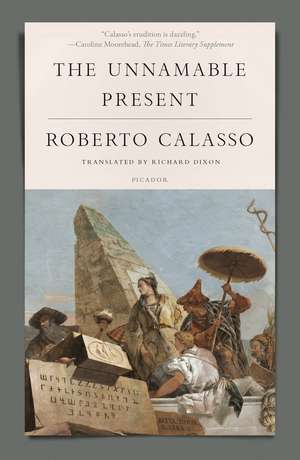
Unnamable Present
Autor Roberto Calassoen Limba Engleză Paperback – 21 iul 2020
Pornind de la analiza oferită de The Paris Review și de la datele bibliografice ale operei sale vaste, descoperim în The Unnamable Present un punct de cotitură în proiectul intelectual al lui Roberto Calasso. Dacă în The Ruin of Kasch, autorul explora originile modernității prin prisma mitologiei și a figurii lui Talleyrand, acest al nouălea volum ne propulsează direct în centrul nervos al secolului XXI. Suntem de părere că volumul funcționează ca o cheie de boltă pentru înțelegerea triburilor contemporane: de la algoritmicieni și hackeri la transumaniști, toți locuiesc într-un prezent care pare să fi pierdut legătura cu un trecut viu.
Eseul extinde cadrul propus de An Orderly Mess de Helga Nowotny cu date noi din sfera transformărilor obscure și ubicue care redefinesc ordinea mondială. În timp ce Nowotny se concentrează pe disoluția ordinii moderne și fragmentarea spațiului, Roberto Calasso caută rădăcinile acestei instabilități în perioada 1933-1945, văzută ca un precursor al tendințelor actuale de auto-anihilare. Stilul este cel al unei meditații provocatoare, unde rigoarea filozofică se împletește cu o critică acerbă a relativismului moral. Față de The Marriage of Cadmus and Harmony sau Ka, unde accentul cădea pe narațiunile mitice ale antichității și Indiei, The Unnamable Present adoptă un ton mai urgent, ancorat în realitățile tehnologice și seculare ale momentului. Este o lucrare densă, dar esențială pentru a decoda de ce vechile concepte politice și sociale au devenit astăzi simple parodii ale sensului lor original.
Preț: 97.47 lei
Carte disponibilă
Livrare economică 06-20 noiembrie
Specificații
ISBN-10: 1250251214
Pagini: 204
Dimensiuni: 142 x 224 x 12 mm
Greutate: 0.25 kg
Editura: Picador Paper
V-ar putea interesa
-
 WOKE IS DEAD HBPiers MorganPreț: 179.91 lei
 -
 The Ruin of KaschRoberto CalassoPreț: 94.12 lei
 -
 The Age of EarthquakesDouglas CouplandPreț: 106.59 lei
 -
 The Alienation EffectOwen HatherleyPreț: 278.51 lei
 -
 The Sealed Envelope: Toward an Intelligent UtopiaGeorge ScialabbaPreț: 141.82 lei
 -
 -27%Preț: 88.08 lei120.36 lei
 -
 Summer of Our Discontent: The Age of Certainty and the Demise of DiscourseThomas Chatterton Williams-32%Preț: 130.88 lei191.08 lei
 -
 Time and WorldHartmut RosaPreț: 142.10 lei
 -
 The ProphetKahlil GibranPreț: 27.21 lei
 -
 Present Shock: When Everything Happens NowDouglas RushkoffPreț: 94.52 lei
 -
 We Live Here NowC. D. Rose-18%Preț: 89.03 lei108.67 lei
 -
 Chronicles of a Liquid SocietyUmberto Eco-20%Preț: 73.70 lei91.56 lei
 -
 The Book of RevelationsJuliet NicolsonPreț: 159.06 lei
 -
 Dysphoria MundiPaul B. PreciadoPreț: 124.00 lei
 -
 The City and the WorldGregor HensPreț: 108.10 lei
 -
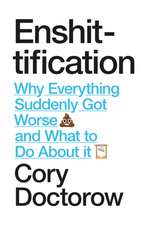 EnshittificationCory DoctorowPreț: 170.65 lei
 -
 The ImmortalistsAleks KrotoskiPreț: 123.00 lei
 -
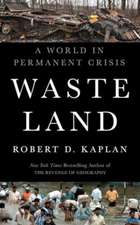 Waste LandRobert D. Kaplan-16%Preț: 137.64 lei164.12 lei
 -
 Sketches of Transition: An Atlas on Growth and DecayMichele Bazzoli-23%Preț: 173.17 lei224.66 lei
 -
 -25%Preț: 86.00 lei114.62 leiRecomandat
De ce să citești această carte
Recomandăm această carte cititorilor pasionați de filozofie politică și istoria ideilor care doresc să înțeleagă mecanismele invizibile ale prezentului. Veți câștiga o perspectivă unică asupra modului în care tehnologia și secularismul ne-au remodelat limbajul și societatea. Este o lectură densă care oferă instrumentele intelectuale necesare pentru a naviga într-o lume în care vechile definiții nu mai sunt suficiente.
Despre autor
Roberto Calasso (1941–2021) a fost o figură centrală a culturii europene, scriitor și director al prestigioasei edituri milaneze Adelphi. Recunoscut pentru vasta sa erudiție, Calasso a dedicat decenii unui proiect literar enciclopedic început cu The Ruin of Kasch. Opera sa explorează intersecția dintre mit, ritual și modernitate, incluzând titluri fundamentale precum The Marriage of Cadmus and Harmony, Ka și eseuri despre arta editorială, precum The Art of the Publisher. A fost descris ca o „instituție literară de sine stătătoare”, lăsând în urmă o moștenire intelectuală ce cuprinde întreaga istorie a gândirii umane.
Descriere scurtă
The ninth part of Roberto Calasso's masterwork, The Unnamable Present, is closely connected with themes of the first book, The Ruin of Kasch (originally published in 1983, and reissued by FSG in a new translation). But while Kasch is an enlightened exploration of modernity, The Unnamable Present propels us into the twenty first century. Tourists, terrorists, secularists, fundamentalists, hackers, transhumanists, algorithmicians: these are all tribes that inhabit the unnamable present and act on its nervous system. This is a world that seems to have no living past, but was foreshadowed in the period between 1933 and 1945, when everything appeared bent on self-annihilation. The Unnamable Present is a meditation on the obscure and ubiquitous process of transformation happening today in all societies, which makes so many previous names either inadequate or misleading or a parody of what they used to mean. Translated with sensitivity by Calasso's longtime translator, Richard Dixon, The Unnamable Present is a strikingly original and provocative vision of our times, from the writer The Paris Review called "a literary institution of one."
Recenzii
The ninth in Mr. Calasso's kaleidoscopic series of investigations into the spiritual biography of the secular West . . . the two long essays in The Unnamable Present examine the effects of novel and often dangerous mythologies-democracy, nationalism, Darwinism, race theory- in 20th-century Europe . . . he handles the events of the past with the reverence of a priest, rather than the dispassion of a historian. Material facts are the tangible aspect of hidden truths
A public intellectual in the great European tradition, whose new book attempts to define the era we're currently living through
I love Roberto Calasso's writing: it's rigorous, elusive, and expansive. The Unnamable Present continues his austere, zigzagging history of the world, but the difference is that now he's examining the supermodern - and this shift would I guess be a moment for pure celebration, were his conclusions not so inescapable and so terrifying
Calasso's erudition is dazzling . . . his assertions come in short, verbless sentences, darting from historical moment to historical moment, alighting on a person, a place, a topic, before moving briskly on
This slim but wide-ranging philosophical inquiry extends the Italian author's series on the roots of modernity, with particular attention to moral relativism