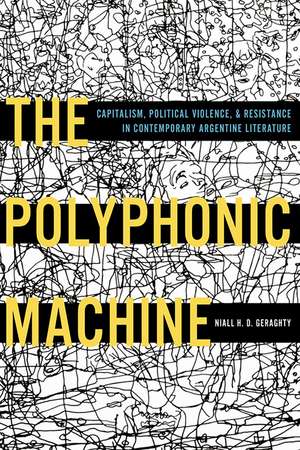
The Polyphonic Machine: Capitalism, Political Violence, and Resistance in Contemporary Argentine Literature: Pitt Illuminations
Autor Niall H. D. Geraghtyen Limba Engleză Paperback – 22 ian 2019
Analiza modului în care dictatura militară din perioada 1976–1983 a reconfigurat imaginarul social argentinian constituie nucleul acestei cercetări academice riguroase. Descoperim aici o examinare profundă a operelor semnate de César Aira, Marcelo Cohen și Ricardo Piglia, pe care Niall H. D. Geraghty îi grupează sub conceptul de „mașină polifonică”. Autorul nu se limitează la o critică literară tradițională, ci investighează modul în care textele acestora funcționează ca un instrument de rezistență împotriva capitalismului și a violenței sistematice exercitate de stat.
Apreciem rigoarea cu care Geraghty urmărește fragmentele aluzive ale istoriei politice, demonstrând că literatura nu doar reflectă realitatea, ci participă activ la deconstrucția mecanismelor de putere. Volumul completează perspectiva oferită de Violence in Argentine Literature and Film, 1989-2005 de Carolina Rocha, adăugând o dimensiune filozofică și teoretică mai pronunțată asupra legăturii dintre economie și represiune. În timp ce studiul lui Rocha se concentrează pe diseminarea imaginilor violente în context neoliberal, „The Polyphonic Machine” propune o sinteză între estetică și critica politică a secolului XX.
Structura lucrării facilitează înțelegerea planului sistematic de terorism de stat și a efectelor sale reziduale în democrație. Este o resursă esențială pentru cercetătorii studiilor latino-americane, oferind o reevaluare radicală a celor mai importanți autori contemporani din regiune și a modului în care aceștia au articulat opoziția intelectuală într-un climat de cenzură și teroare.
Din seria Pitt Illuminations
-
 Preț: 395.94 lei
 -
 Preț: 424.42 lei
 -
 Preț: 359.74 lei
 -
 Preț: 464.18 lei
 -
 Preț: 428.47 lei
 -
 Preț: 397.75 lei
 -
 Preț: 404.25 lei
 -
 Preț: 404.37 lei
 -
 Preț: 386.28 lei
 -
 Preț: 444.97 lei
 -
 Preț: 401.95 lei
 -
 Preț: 404.14 lei
 -
 Preț: 435.22 lei
 -
 Preț: 252.04 lei
 -
 Preț: 388.79 lei
 -
 Preț: 432.01 lei
 -
 Preț: 358.99 lei
 -
 Preț: 441.40 lei
 -
 Preț: 380.41 lei
 -
 Preț: 461.37 lei
 -
 Preț: 406.97 lei
 -
 Preț: 394.48 lei
 -
 Preț: 401.95 lei
 -
 Preț: 426.92 lei
 -
 Preț: 411.72 lei
 -
 Preț: 349.32 lei
 -
 Preț: 314.13 lei
 -
 Preț: 426.92 lei
 -
 Preț: 385.14 lei
 -
 Preț: 393.47 lei
 -
 Preț: 387.43 lei
 -
 Preț: 385.14 lei
 -
 Preț: 387.43 lei
 -
 Preț: 428.47 lei
 -
 Preț: 385.14 lei
 -
 Preț: 425.56 lei
 -
 Preț: 426.92 lei
 -
 Preț: 387.43 lei
 -
 Preț: 388.79 lei
 -
 Preț: 400.29 lei
 -
 Preț: 388.79 lei
 -
 Preț: 430.37 lei
 -
 Preț: 434.96 lei
 -
 Preț: 388.79 lei
 -
 Preț: 350.68 lei
 -
 Preț: 386.28 lei
 -
 Preț: 461.37 lei
 -
 Preț: 291.24 lei
 -
 Preț: 387.43 lei
Preț: 391.34 lei
Carte disponibilă
Livrare economică 09-23 noiembrie
Specificații
ISBN-10: 0822965534
Pagini: 296
Dimensiuni: 152 x 229 x 23 mm
Greutate: 0.43 kg
Ediția:1
Editura: University of Pittsburgh Press
Colecția University of Pittsburgh Press
Seria Pitt Illuminations
V-ar putea interesa
-
 The Theatre of the Holocaust, Volume 2: Six PlaysRobert SklootPreț: 149.06 lei
 -
 Selected Essays of Wilson HarrisA.J.M. Bundy-15%Preț: 438.12 lei515.43 lei
 -
 Introduction to Contemporary FictionRod MenghamPreț: 286.21 lei
 -
 Russian Postmodernist Fiction: Dialogue with ChaosMark LipovetskyPreț: 465.92 lei
 -
 North American Romance WritersKay Mussell-33%Preț: 547.34 lei818.46 lei
 -
 Sustainable PoetryLeonard M ScigajPreț: 274.28 lei
 -
 Improbable FictionJan CohnPreț: 290.31 lei
 -
 Other South: Faulkner, Coloniality, and the Mariátegui TraditionHosam Aboul-ElaPreț: 387.43 lei
 -
 Preț: 389.93 lei
 -
 Rethinking Community from Peru: The Political Philosophy of José María ArguedasIrina Alexandra FeldmanPreț: 350.68 lei
 -
 Preț: 390.18 lei
 -
 After Human Rights: Literature, Visual Arts, and Film in Latin America, 1990-2010Fernando J. RosenbergPreț: 388.79 lei
 -
 Anti-Literature: The Politics and Limits of Representation in Modern Brazil and ArgentinaAdam Joseph ShellhorsePreț: 388.79 lei
 -
 Preț: 387.43 lei
 -
 A Translational Turn: Latinx Literature into the MainstreamMarta E. SanchezPreț: 351.94 lei
 -
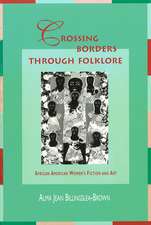 Crossing Borders through Folklore: African American Women's Fiction and ArtAlma Jean Billingslea-BrownPreț: 404.26 lei
 -
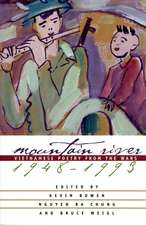 Preț: 269.73 lei
 -
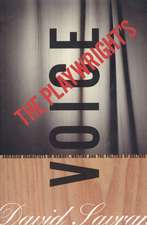 The Playwright's VoiceDavid SavranPreț: 127.78 lei
 -
 -35%Preț: 595.70 lei911.28 lei
 -
 Power Games: Why Winners Win and Losers LoseGerald Alper-27%Preț: 253.62 lei348.92 lei
 -
 Preț: 340.84 lei
De ce să citești această carte
Recomandăm această carte cercetătorilor și studenților interesați de relația dintre politică, economie și estetică în America Latină. Cititorul câștigă o înțelegere nuanțată a modului în care literatura argentiniană a procesat trauma dictaturii. Este un instrument critic indispensabil pentru a descifra opera unor autori precum Piglia sau Aira dincolo de etichetele de avangardă, ancorându-i într-un context istoric și filozofic concret.
Despre autor
Niall H. D. Geraghty este un specialist în studii latino-americane, a cărui activitate se concentrează pe intersecția dintre literatură, politică și teorie critică. Prin cercetările sale, acesta explorează modul în care producția culturală din Argentina și regiunile învecinate răspunde schimbărilor socio-politice radicale. Lucrarea de față, publicată în prestigioasa serie Pitt Illuminations, reflectă expertiza sa în analizarea mecanismelor de putere și a rezistenței intelectuale în contextul istoriei recente a Americii de Sud.
Descriere scurtă
Recenzii
“Energetic and thought-provoking. . . . This elegantly presented volume bolsters Pittsburgh’s cutting-edge ‘Illuminations: Cultural Formations of the Americas’ series; it too will inspire healthy debate and further reading in the field and beyond.” —Bulletin of Spanish Studies
“The book stands as a superb effort at unpicking the relationship between intellectual, especially literary, developments, such as ‘writing as resistance’, and political transformations in Argentina’s complex past that continues to permeate in overt and obscured ways the present.” —Bulletin of Latin American Research
“The reader appreciates the interconnectedness of the chapters of Geraghty’s study and between the authors featured in it. With unquestionable mastery, Geraghty develops a multi-faceted argument that moves in various directions: forwards, sideways and performing various loops.” —Journal of Latin American Studies
“In this meticulously researched and lucidly argued work, Niall Geraghty explores the work of three of the most important novelists of the post-dictatorship period in Argentina. Balancing insightful textual analysis with detailed philosophical exposition, The Polyphonic Machine is essential reading for any student or scholar interested in the shifting landscapes of literature and power in Latin America.” —Edward King, University of Bristo
“‘How does literature function in society?’” is the ambitious challenge confronted by Niall Geraghty with ostensible focus on, but reaching well beyond, the writings of César Aira, Marcelo Cohen, and Ricardo Piglia. Evidencing alertness to the particular debates and discourses arising from the terror, overt or disguised, of dictatorship and post-dictatorship Argentina, The Polyphonic Machine reveals how viable critical theories are produced, instrumentally, though the very act of writing fiction. It analyzes persuasively as ‘co-implicated and complementary literary projects often deemed irreconcilable yet inviting a shared immanent critique of the beyond words’ criminality of Dirty War and neo-liberal totalitarianisms.” —Bernard McGuirk, Nottingham University