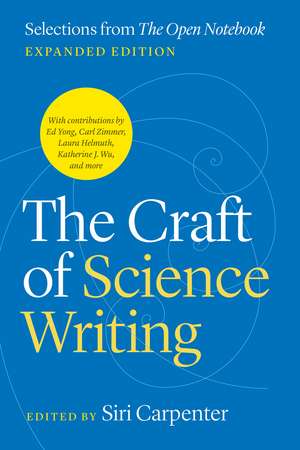
The Craft of Science Writing: Selections from “The Open Notebook,” Expanded Edition: Chicago Guides to Writing, Editing, and Publishing
Editat de Siri Carpenteren Limba Engleză Paperback – 14 noi 2024
Bazându-ne pe resursele extinse ale platformei The Open Notebook, descoperim în The Craft of Science Writing un ghid metodologic esențial pentru navigarea intersecției dintre rigoarea cercetării și exigențele jurnalismului contemporan. Această a doua ediție, parte din prestigioasa serie Chicago Guides to Writing, Editing, and Publishing, extinde volumul original cu nouă capitole noi, adaptate provocărilor actuale: de la utilizarea rețelelor sociale pentru colectarea informațiilor, până la strategii de combatere a fenomenului impostorului în rândul scriitorilor debutanți.
Putem afirma că structura cărții urmărește o progresie logică a carierei în domeniu. Prima parte se concentrează pe identitatea profesională, oferind soluții pentru cei care fac tranziția de la laborator la masa de scris, în timp ce secțiunile următoare detaliază procesul tehnic de transformare a unei idei brute într-un material jurnalistic solid. Cititorii familiarizați cu Science Journalism de Martin Angler vor aprecia aici abordarea mai personală și diversitatea vocilor, volumul fiind o colecție de eseuri și interviuri cu jurnaliști de top, precum Ed Yong sau Carl Zimmer, care dezvăluie mecanismele din spatele celor mai bune povești științifice.
Spre deosebire de manualele teoretice clasice, acest volum pune un accent deosebit pe etică și incluziune, oferind protocoale concrete pentru lucrul cu „sensitivity readers” și eliminarea limbajului discriminatoriu. Găsim în aceste pagini un echilibru între tehnica pură — cum să organizezi notele de interviu sau să evaluezi critic un studiu — și latura creativă necesară pentru a menține interesul publicului într-o eră a atenției fragmentate. Este o resursă care nu doar explică știința, ci învață scriitorul cum să devină un gardian al integrității informației.
Din seria Chicago Guides to Writing, Editing, and Publishing
-
 Preț: 124.39 lei
 -
 Preț: 136.87 lei
 -
 Preț: 215.68 lei
 -
 Preț: 92.31 lei
 -
 Preț: 440.99 lei
 -
 Preț: 167.79 lei
 -
 Preț: 165.66 lei
 -
 Preț: 296.44 lei
 -
 Preț: 127.72 lei
 -
 Preț: 141.45 lei
 -
 Preț: 125.09 lei
 -
 Preț: 94.52 lei
 -
 Preț: 160.57 lei
 -
 Preț: 159.63 lei
 -
 Preț: 130.38 lei
 -
 Preț: 140.05 lei
 -
 Preț: 211.97 lei
 -
 Preț: 418.48 lei
 -
 Preț: 104.42 lei
 -
 Preț: 108.70 lei
 -
 Preț: 116.55 lei
 -
 Preț: 159.53 lei
 -
 Preț: 87.72 lei
 -
 Preț: 128.09 lei
 -
 Preț: 151.14 lei
 -
 Preț: 124.72 lei
 -
 Preț: 117.76 lei
 -
 Preț: 151.10 lei
 -
 Preț: 92.31 lei
 -
 Preț: 159.27 lei
 -
 Preț: 151.06 lei
 -
 Preț: 208.76 lei
 -
 Preț: 106.40 lei
 -
 Preț: 125.70 lei
 -
 Preț: 117.38 lei
 -
 Preț: 210.66 lei
 -
 Preț: 127.69 lei
 -
 Preț: 111.97 lei
 -
 Preț: 148.76 lei
 -
 Preț: 127.46 lei
 -
 Preț: 115.55 lei
 -
 Preț: 134.15 lei
 -
 Preț: 115.92 lei
Preț: 142.34 lei
Carte disponibilă
Livrare economică 25 mai-08 iunie
Livrare express 09-15 mai pentru 75.40 lei
Specificații
ISBN-10: 0226830292
Pagini: 368
Ilustrații: 2 halftones
Dimensiuni: 152 x 229 x 23 mm
Greutate: 0.48 kg
Ediția:Second Edition
Editura: University of Chicago Press
Colecția University of Chicago Press
Seria Chicago Guides to Writing, Editing, and Publishing
V-ar putea interesa
-
 Let Me Tell You What I MeanJoan DidionPreț: 65.22 lei
 -
 -17%Preț: 200.92 lei242.55 lei
 -
 Preț: 151.14 lei
 -
 Preț: 126.62 lei
 -
 Teaching and Mentoring Writers in the Sciences: An Evidence-Based ApproachBethann Garramon MerklePreț: 151.10 lei
 -
 Writing for Their LivesMarcel Chotkowski LaFollette-23%Preț: 134.31 lei175.05 lei
 -
 Sharing Our ScienceBrandon R Brown-23%Preț: 132.70 lei172.88 lei
 -
 The Art and Craft of Feature WritingWilliam E BlundellPreț: 112.03 lei
 -
 Preț: 103.64 lei
 -
 Introduction to JournalismCarole FlemingPreț: 237.60 lei
 -
 Preț: 108.50 lei
 -
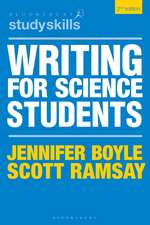 Writing for Science StudentsJennifer Boyle-22%Preț: 118.67 lei151.55 lei
 -
 An Introduction to JournalismSilvio WaisbordPreț: 170.42 lei
 -
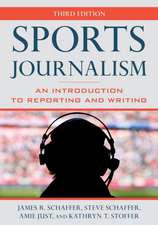 Sports Journalism: An Introduction to Reporting and WritingJames R. Schaffer-22%Preț: 247.76 lei319.45 lei
 -
 BreakingMic WrightPreț: 137.67 lei
 -
 Science Communication Skills for JournalistsCharles WendoPreț: 441.87 lei
 -
 I SwearJohn DavidsonPreț: 82.11 lei
 -
 The Difficult GhostLeila GuerrieroPreț: 74.46 lei
 -
 Telling The Truth Is DangerousNeasa MacErleanPreț: 84.38 lei
 -
 Beat the BotsJane K Cleland-23%Preț: 116.81 lei151.85 lei
De ce să citești această carte
Această ediție extinsă oferă instrumentele necesare oricărui comunicator care dorește să traducă concepte complexe în narațiuni accesibile. Cititorul câștigă acces la experiența colectivă a celor mai buni jurnaliști de știință actuali, învățând nu doar să scrie, ci să verifice riguros datele și să gestioneze un flux de lucru jurnalistic complet. Este o investiție în profesionalism pentru jurnaliști, cercetători sau studenți.
Despre autor
Siri Carpenter, editorul acestui volum, este cofondatoare și redactor-șef al The Open Notebook, principala resursă educațională non-profit pentru jurnaliștii de știință la nivel global. Cu un doctorat în psihologie obținut la Yale University, ea a reușit să creeze o punte între mediul academic și cel editorial. Activitatea sa se concentrează pe îmbunătățirea standardelor de scriere științifică, fiind o voce respectată în comunitatea internațională a scriitorilor de profil. Prin acest volum, ea curatoriază expertiza a peste 30 de contributori de elită pentru a sprijini următoarea generație de comunicatori de știință.
Descriere scurtă
Science writing has never been so critical to our world, and the demands on writers have never been greater. On any given day, a writer might need to explain the details of AI, analyze developments in climate change research, or serve as a watchdog helping to ensure the integrity of the scientific enterprise. At the same time, writers must spin tales that hook and keep readers, despite the endless other demands on their attention. How does one do it? The Craft of Science Writing is the authoritative guide.
With pieces curated from the archives of science writers’ go-to online resource, The Open Notebook, this book explores strategies for finding and shaping story ideas, pitching editors, and building a specialty in science writing. It delves into fundamental skills that every science writer must learn, including planning their reporting; identifying, interviewing, and quoting sources; organizing interview notes; and crafting stories that engage and inform audiences. This expanded edition includes new introductory material and nine new essays focusing on such topics as how to establish a science beat, how to find and use quotes, how to critically evaluate scientific claims, how to use social media for reporting, and how to do data-driven reporting. In addition, there are essays on inclusivity in science writing, offering strategies for eradicating ableist language from stories, working with sensitivity readers, and breaking into English-language media for speakers of other languages.
Through interviews with leading journalists offering behind-the-scenes inspiration as well as in-depth essays on the craft offering practical advice, readers will learn how the best science stories get made, from conception to completion.
Contributors:
Humberto Basilio, Siri Carpenter, Jeanne Erdmann, Dan Ferber, Tina Casagrand Foss, Geoffrey Giller, Laura Helmuth, Jane C. Hu, Alla Katsnelson, Roxanne Khamsi, Betsy Ladyzhets, Jyoti Madhusoodanan, Amanda Mascarelli, Robin Meadows, Kate Morgan, Tiên Nguyễn, Michelle Nijhuis, Aneri Pattani, Rodrigo Pérez Ortega, Mallory Pickett, Kendall Powell, Tasneem Raja, Sandeep Ravindran, Marion Renault, Julia Rosen, Megha Satyanarayana, Christina Selby, Knvul Sheikh, Abdullahi Tsanni, Alexandra Witze, Katherine J. Wu, Wudan Yan, Ed Yong, Rachel Zamzow, Sarah Zhang, and Carl Zimmer
Notă biografică
Cuprins
Introduction
Siri Carpenter
Part 1: Who Is a Science Journalist and How Do You Become One?
1. How to Use Reporting Skills from Any Beat for Science Journalism
Aneri Pattani
2. Trading the Pipette for the Pen: Transitioning from Science to Science Writing
Julia Rosen
3. Do You Need a Science Degree to Be a Science Reporter?
Aneri Pattani
4. How to Break into English-Language Media as a Non-Native-English Speaker
Humberto Basilio
5. Feeling Like a Fraud: The Impostor Phenomenon in Science Writing
Sandeep Ravindran
6. What Is Science Journalism Worth?
Kendall Powell
7. Nice Niche: How to Build and Keep Up with a Beat
Knvul Sheikh
8. A Conversation with Amy Maxmen on “How the Fight against Ebola Tested a Culture’s Traditions”
Amanda Mascarelli
Part 2: What Makes a Science Story and How Do You Find One?
9. Is This a Story? How to Evaluate Your Ideas Before You Pitch
Mallory Pickett
10. Sharpening Ideas: From Topic to Story
Dan Ferber
11. Critically Evaluating Claims
Megha Satyanarayana
12. Finding the Science in Any Story
Kate Morgan
13. Pitching Errors: How Not to Pitch
Laura Helmuth
14. Five Ways to Sink a Pitch
Siri Carpenter
15. What Makes a Good Pitch? Annotations from the TON Pitch Database
Roxanne Khamsi
16. A Conversation with Kathryn Schulz on “The Really Big One”
Michelle Nijhuis
Part 3: How Do You Report a Science Story?
17. Is Anyone Out There? Sourcing News Stories
Geoffrey Giller
18. Interviewing for Career-Spanning Profiles
Alla Katsnelson
19. How to Conduct Difficult Interviews
Mallory Pickett
20. Including Diverse Voices in Science Stories
Christina Selby
21. How to Find Patient Stories on Social Media
Katherine J. Wu
22. Pulling It All Together: Organizing Reporting Notes
Sarah Zhang
23. Gut Check: Working with a Sensitivity Reader
Jane C. Hu
24. When Science Reporting Takes an Emotional Toll
Wudan Yan
25. A Conversation with Annie Waldman on “How Hospitals Are Failing Black Mothers”
Tasneem Raja
Part 4: How Do You Tell Your Story?
26. Good Beginnings: How to Write a Lede Your Editor and Your Readers Will Love
Robin Meadows
27. Nailing the Nut Graf
Tina Casagrand Foss
28. How to Find and Use Quotes in Science Stories
Abdullahi Tsanni
29. Like Being There: How Science Writers Use Sensory Detail
Jyoti Madhusoodanan
30. Eradicating Ableist Language Yields More Accurate and More Humane Journalism
Marion Renault
31. Good Endings: How to Write a Kicker Your Editor and Your Readers Will Love
Robin Meadows
32. The First Critic Is You: Editing Your Own Work
Tiên Nguyễn
33. A Conversation with Linda Nordling on “How Decolonization Could Reshape South African Science”
Jeanne Erdmann
Part 5: How Do You Build Expertise in Science Writing?
34. How to Read a Scientific Paper
Alexandra Witze
35. What Are the Odds? Reporting on Risk
Jane C. Hu
36. Spotting Shady Statistics
Rachel Zamzow
37. Problems with Preprints: Covering Rough-Draft Manuscripts Responsibly
Roxanne Khamsi
38. Getting the Most out of Scientific Conferences
Rodrigo Pérez Ortega
39. Interrogating Data: A Science Writer’s Guide to Data Journalism
Betsy Ladyzhets
40. Explaining Complexity
Carl Zimmer
41. How to Do a Close Read
Siri Carpenter
42. A Conversation with Maggie Koerth on “The Complicated Legacy of a Panda Who Was Really Good at Sex”
Ed Yong
Acknowledgments
Contributors
Index
Recenzii
“In this corner of journalism, there is a dearth of specialized training. The Open Notebook comes to the rescue. . . The Craft of Science Writing is an excellent craft book written by a diverse community of writers for a diverse community of readers.”