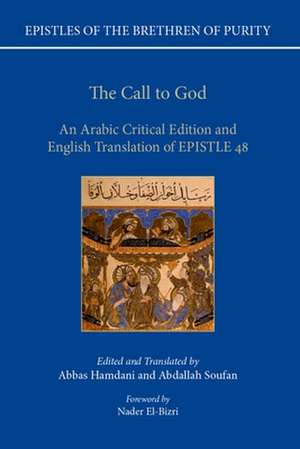
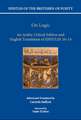
The Call to God: An Arabic Critical Edition and English Translation of Epistle 48: Epistles of the Brethren of Purity
Traducere de Abbas Hamdani, Abdallah Soufanen Limba Engleză Hardback – aug 2019
Această ediție critică bilingvă a The Call to God reprezintă un punct de cotitură în înțelegerea dimensiunii politice a grupării Ikhwan al-Safa'. Spre deosebire de volumele anterioare din seria Epistles of the Brethren of Purity, care se concentrau pe științele naturii sau logică, Epistola 48 dezvăluie mecanismele interne de recrutare și viziunea administrativă a frăției. Subliniem faptul că volumul nu se limitează la o simplă traducere, ci oferă textul arab stabilit critic, esențial pentru cercetarea filologică.
Reținem structura pragmatică a textului: acesta oferă ghiduri metodologice pentru atragerea diferitelor pături sociale — de la filosofi și regi, până la administratori și șiiți. Merită menționat că această epistolă extinde cadrul propus de On God and the World prin mutarea accentului de la metafizică spre praxisul misionar și guvernarea „orașului ideal”. Dacă volume precum Sciences of the Soul and Intellect, Part III explorează profunzimile psihologiei medievale, The Call to God ancorează aceste concepte în realitatea politică a secolului al X-lea, oferind date noi din perioada pre-fatimidă.
Analiza editorilor fundamentează ipoteza că activitatea frăției a fost strâns legată de eforturile misionare fatimide, transformând acest text dintr-un tratat teologic într-un document istoric de primă mână. Includerea legendei Bilawhar wa-Budhasaf la finalul epistolei servește drept studiu de caz pentru succesul misiunii spirituale, oferind cititorului o perspectivă rară asupra modului în care retorica religioasă era adaptată pentru a produce schimbări socio-politice concrete.

Preț: 398.43 lei
Preț vechi: 567.20 lei
-30%
Carte disponibilă
Livrare economică 21-26 mai
Specificații
ISBN-10: 0198838980
Pagini: 480
Dimensiuni: 163 x 241 x 31 mm
Greutate: 0.94 kg
Editura: OUP OXFORD
Colecția OUP Oxford
Seria Epistles of the Brethren of Purity
Locul publicării:Oxford, United Kingdom
De ce să citești această carte
Această lucrare este indispensabilă cercetătorilor istoriei islamice și ai filosofiei politice. Cititorul câștigă acces la o sursă primară rară care explică modul în care o societate secretă medievală își organiza propaganda și viziunea asupra statului. Este un instrument de studiu critic ce îmbină rigoarea academică a OUP Oxford cu profunzimea ezoterismului arab, oferind o perspectivă clară asupra legăturii dintre credință și exercitarea puterii.
Despre autor
Traducerea și ediția critică sunt semnate de Abbas Hamdani și Abdallah Soufan, specialiști recunoscuți în studiile ismailite și în istoria gândirii islamice. Abbas Hamdani a adus contribuții fundamentale în cercetarea originilor Frăției Purității (Ikhwan al-Safa'), explorând legăturile acestora cu mișcarea fatimidă. Expertiza lor combinată asigură o transpunere fidelă a nuanțelor terminologice din limba arabă medievală în limba engleză, integrând Epistola 48 în contextul mai larg al seriei publicate de OUP Oxford.