
Techniques in Genetic Engineering
Autor Isil Aksan Kurnazen Limba Engleză Paperback – 30 mar 2021
Although designed for undergraduates with an interest in molecular biology, biotechnology, and bioengineering, this book--Techniques in Genetic Engineering--IS NOT: a laboratory manual; nor is it a textbook on molecular biology or biochemistry. There is some basic information in the appendices about core concepts such as DNA, RNA, protein, genes, and genomes; however, in general it is assumed that the reader has a background on these key issues.
Techniques in Genetic Engineering briefly introduces some common genetic engineering techniques and focuses on how to approach different real-life problems using a combination of these key issues. Although not an exhaustive review of these techniques, basic information includes core concepts such as DNA, RNA, protein, genes, and genomes. It is assumed that the reader has background on these key issues. The book provides sufficient background and future perspectives for the readers to develop their own experimental strategies and innovations.
This easy-to-follow book presents not only the theoretical background of molecular techniques, but also provides case study examples, with some sample solutions. The book covers basic molecular cloning procedures; genetic modification of cells, including stem cells; as well as multicellular organisms, using problem-based case study examples.
Preț: 424.41 lei
Preț vechi: 499.30 lei
-15%
Carte tipărită la comandă
Livrare economică 08-22 decembrie
Specificații
ISBN-10: 036765881X
Pagini: 346
Dimensiuni: 156 x 234 x 18 mm
Greutate: 0.49 kg
Ediția:1
Editura: CRC Press
Colecția CRC Press
V-ar putea interesa
-
 Bioprocess Engineering PrinciplesRoss Carlson-31%Preț: 605.17 lei881.03 lei
 -
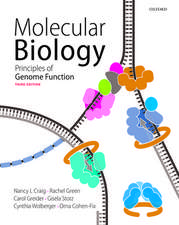 Molecular Biology: Principles of Genome FunctionNancy Craig-18%Preț: 553.63 lei671.99 lei
 -
 -18%Preț: 527.45 lei646.10 lei
 -
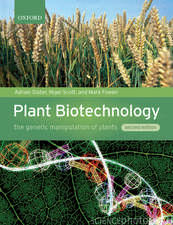 Plant Biotechnology: The genetic manipulation of plantsAdrian Slater-22%Preț: 407.23 lei520.58 lei
 -
 -16%Preț: 80.13 lei95.94 lei
 -
 -31%Preț: 840.65 lei1218.05 lei
 -
 -32%Preț: 630.84 lei929.01 lei
 -
 Introduction to Genetic AnalysisAnthony J. F. GriffithsPreț: 211.28 lei
 -
 Human Molecular GeneticsTom Strachan-5%Preț: 739.98 lei778.93 lei
 -
 Introduction to Genetics: A Molecular ApproachTerry A. Brown-8%Preț: 494.44 lei537.43 lei
 -
 Essential Developmental Biology 4eJonathan M. W. Slack-23%Preț: 762.27 lei989.96 lei
 -
 Molecular and Cell Biology For DummiesRene Fester KratzPreț: 118.50 lei
 -
 Experimental Techniques in Molecular BiologyAkhtar Ali-11%Preț: 677.17 lei760.86 leiNou
 -
 -19%Preț: 467.22 lei576.81 lei
 -
 Unlock Genetics in 10 Concise ChaptersMarianne TaylorPreț: 73.59 lei
 -
 Essential Medical Genetics, Includes Desktop EditionEdward S. Tobias-5%Preț: 402.99 lei424.20 lei
 -
 Trends in Biochemistry and Molecular BiologyHossain Uddin Shekhar-26%Preț: 1497.58 lei2037.03 lei
 -
 Animal Biotechnology 1Heiner Niemann-18%Preț: 784.49 lei956.70 lei
 -
 Biotechnology – An Illustrated PrimerRD Schmid-11%Preț: 444.07 lei498.95 lei
 -
 -11%Preț: 481.24 lei540.71 lei
Cuprins
Notă biografică
Prof. Kurnaz is the recipient of the L’Oreal Turkey Young Female Investigator Award (as a local counterpart of the international For Women in Science programme) in 2006, and the GEBIP Award (Genc Bilim Insanlarini Destekleme Programi / Distinguished Young Investigator Award) of the Turkish Academy of Sciences (TUBA) in 2007. She has also participated in the European Young Academy brainstorming meeting organized by ALLEA and ESF in Vienna, 2009. She has been involved in several international grants such as COST and FP7 Regpot projects, as well as many national grants from TUBITAK, Turkish Fight with Cancer Foundation, Brain Research Society – Lundbeck, Novartis among many others. She has published numerous papers, to which she has received over 500 citations, with a current h index of 9.
Descriere
Although designed for undergraduates with an interest in molecular biology, biotechnology, and bioengineering, this book--Techniques in Genetic Engineering--IS NOT: a laboratory manual; nor is it a textbook on molecular biology or biochemistry. There is some basic information in the appendices about core concepts such as DNA, RNA, protein, genes, and genomes; however, in general it is assumed that the reader has a background on these key issues.
Techniques in Genetic Engineering briefly introduces some common genetic engineering techniques and focuses on how to approach different real-life problems using a combination of these key issues. Although not an exhaustive review of these techniques, basic information includes core concepts such as DNA, RNA, protein, genes, and genomes. It is assumed that the reader has background on these key issues. The book provides sufficient background and future perspectives for the readers to develop their own experimental strategies and innovations.
This easy-to-follow book presents not only the theoretical background of molecular techniques, but also provides case study examples, with some sample solutions. The book covers basic molecular cloning procedures; genetic modification of cells, including stem cells; as well as multicellular organisms, using problem-based case study examples.