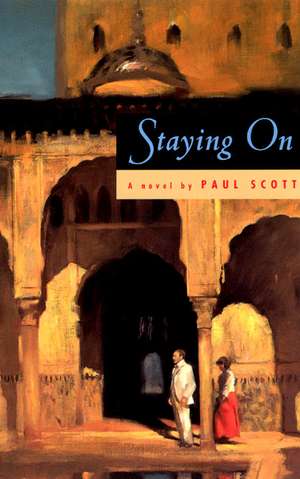
Staying On: A Novel: Phoenix Fiction
Autor Paul Scotten Limba Engleză Paperback – oct 1998
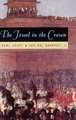
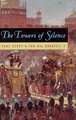
Ce se întâmplă cu cei care refuză să părăsească scena după ce cortina a căzut definitiv peste un imperiu? Notăm cu un interes profund felul în care Paul Scott, în acest roman distins cu Premiul Booker, alege să închidă cercul vast al istoriei coloniale nu prin mari gesturi politice, ci prin micro-universul domestic al unui cuplu britanic învechit. Staying On ne poartă în Pankot, o stațiune montană unde colonelul Tusker și soția sa, Lucy, decid să rămână după 1947, pierzându-și statutul privilegiat pentru a deveni niște relicve vii ale unei epoci apuse. Considerăm că forța acestui text rezidă în echilibrul fragil între satira socială și poignanța unei căsnicii măcinate de singurătate, furie și o afecțiune încăpățânată. Stilul are ceva din proza lui John Masters în Bhowani Junction, fără să fie o imitație — acolo unde Masters se concentrează pe tensiunea politică a partiției, Scott coboară privirea spre detaliul intim, spre nuanțele de clasă și izolarea psihologică a celor „rămași”. Dacă în lucrările anterioare, precum The Jewel In The Crown sau The Towers Of Silence, autorul explora mecanismele brutale ale puterii și declinul iminent al Raj-ului, aici el ne oferă o perspectivă mult mai personală, aproape picturală. Este un epilog comic și totodată melancolic, în care vocea lui Lucy Smalley capătă o independență târzie, transformând o existență aparent banală într-o meditație asupra demnității în fața uitării.
Din seria Phoenix Fiction
-
 Preț: 104.40 lei
 -
 Preț: 209.67 lei
 -
 Preț: 213.31 lei
 -
 Preț: 181.55 lei
 -
 Preț: 192.47 lei
 -
 Preț: 260.88 lei
 -
 Preț: 220.58 lei
 -
 Preț: 120.06 lei
 -
 Preț: 179.61 lei
 -
 Preț: 140.88 lei
 -
 Preț: 162.93 lei
 -
 Preț: 94.33 lei
 -
 Preț: 192.47 lei
 -
 Preț: 208.85 lei
 -
 Preț: 225.21 lei
 -
 Preț: 253.78 lei
 -
 Preț: 113.61 lei
 -
 Preț: 224.23 lei
 -
 Preț: 230.04 lei
 -
 Preț: 220.83 lei
 -
 Preț: 149.55 lei
 -
 Preț: 139.13 lei
 -
 Preț: 150.34 lei
 - 21%
 Preț: 145.65 lei
 - 24%
 Preț: 152.04 lei
 - 20%
 Preț: 144.68 lei
 - 24%
 Preț: 133.19 lei
 - 21%
 Preț: 164.32 lei
 - 21%
 Preț: 142.25 lei
 - 23%
 Preț: 146.19 lei
 - 22%
 Preț: 159.54 lei
 - 22%
 Preț: 155.32 lei
 - 21%
 Preț: 143.52 lei
 - 22%
 Preț: 156.60 lei
Preț: 122.84 lei
Carte disponibilă
Livrare economică 09-23 noiembrie
Specificații
ISBN-10: 0226743497
Pagini: 224
Dimensiuni: 140 x 216 x 18 mm
Greutate: 0.27 kg
Ediția:1
Editura: University of Chicago Press
Colecția University of Chicago Press
Seria Phoenix Fiction
V-ar putea interesa
-
 Shalimar the ClownSalman Rushdie-17%Preț: 60.01 lei72.67 lei
 -
 -24%Preț: 61.66 lei80.73 lei
 -
 Day Of The ScorpionPaul Scott-17%Preț: 60.44 lei72.65 lei
 -
 A Division Of The SpoilsPaul Scott-28%Preț: 69.23 lei95.89 lei
 -
 White MischiefJames Fox-19%Preț: 75.74 lei93.33 lei
 -
 -18%Preț: 64.81 lei79.40 lei
 -
 Preț: 149.55 lei
 -
 A Passage to IndiaE. M. Forster-17%Preț: 60.62 lei73.16 lei
 -
 The Loneliness of Sonia and SunnyKiran DesaiPreț: 120.76 leiRecomandat
 -
 Liberty or DeathPatrick FrenchPreț: 110.10 lei
 -
 Bhowani JunctionJohn Masters-20%Preț: 74.06 lei92.51 lei
 -
 The Raj Quartet (1)Paul ScottPreț: 264.98 lei
 -
 Heat And DustRuth Prawer Jhabvala-28%Preț: 56.60 lei78.07 lei
 -
 Railsong: A NovelRahul Bhattacharya-24%Preț: 83.99 lei110.50 lei
 -
 Preț: 79.35 leiNou
 -
 Coming HomeSue Gee-25%Preț: 60.41 lei80.30 lei
 -
 Disinheritance: The Rediscovered StoriesRuth Prawer Jhabvala-24%Preț: 157.75 lei207.08 lei
 -
 Half LightMahesh RaoPreț: 134.70 lei
 -
 BelongingUmi Sinha-17%Preț: 54.31 lei65.46 lei
De ce să citești această carte
Recomandăm această carte cititorilor care apreciază analizele psihologice subtile și umorul englezesc nuanțat. Veți câștiga o perspectivă unică asupra post-colonialismului, văzută nu prin cifre istorice, ci prin ochii a două personaje memorabile care încearcă să-și găsească locul într-o lume care nu le mai aparține. Este o lectură esențială pentru a înțelege finalul unei ere și complexitatea relațiilor umane sub presiunea timpului.
Despre autor
Paul Scott (1920-1978) a fost un romancier britanic a cărui operă este indisolubil legată de experiența Indiei, unde a servit ca ofițer în armata indiană în timpul celui de-al Doilea Război Mondial. Această experiență directă a format fundamentul scrierilor sale, oferindu-i o înțelegere profundă a tensiunilor dintre ocupant și ocupat. Este cunoscut la nivel mondial pentru monumentala sa tetralogie The Raj Quartet, o cronică magistrală a sfârșitului dominației britanice. Staying On, considerat de mulți critici cel mai rafinat roman al său, i-a adus recunoașterea supremă prin câștigarea Premiului Booker, consolidându-i reputația de observator fin al condiției umane în contexte istorice turbulente.
Descriere scurtă
"Staying On far transcends the events of its central action. . . . [The work] should help win for Scott . . . the reputation he deserves—as one of the best novelists to emerge from Britain's silver age."—Robert Towers, Newsweek
"Scott's vision is both precise and painterly. Like an engraver cross-hatching in the illusion of fullness, he selects nuances that will make his characters take on depth and poignancy."—Jean G. Zorn, New York Times Book Review
"A graceful comic coda to the earlier song of India. . . . No one writing knows or can evoke an Anglo-Indian setting better than Scott."—Paul Gray, Time
"Staying On provides a sort of postscript to [Scott's] deservedly acclaimed The Raj Quartet. . . . He has, as it were, summoned up the Raj's ghost in Staying On. . . . It is the story of the living death, in retirement, and the final end of a walk-on character from the quartet. . . . Scott has completed the task of covering in the form of a fictional narrative the events leading up to India's partition and the achievement of independence in 1947. It is, on any showing, a creditable achievement."—Malcolm Muggeridge, New York Times Book Review
Recenzii
Notă biografică
Descriere
Given the chance to return 'home' when Tusker, once a Colonel in the British Army, retired, they chose instead to remain in the small hill town of Pangkot, with its eccentric inhabitants and archaic rituals left over from the days of the Empire.