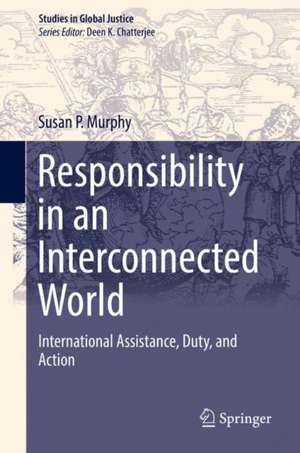
Responsibility in an Interconnected World: International Assistance, Duty, and Action: Studies in Global Justice, cartea 13
Autor Susan P. Murphyen Limba Engleză Paperback – 23 aug 2017
Recomandăm volumul Responsibility in an Interconnected World ca o resursă esențială pentru studenții în filozofie politică, cercetătorii din domeniul eticii globale și, în special, pentru practicienii din organizațiile neguvernamentale care se confruntă cu dileme morale în distribuirea ajutorului extern. Considerăm că forța acestei monografii rezidă în capacitatea de a ancora dezbaterea abstractă în realitățile dure ale „industriei asistenței”, o sferă aflată, conform autoarei, într-o criză de identitate din cauza lipsei unor repere etice adaptate complexității contemporane.
Structura cărții urmărește o progresie riguroasă: primele capitole deconstruiesc fundamentele datoriei morale, analizând contrastul dintre deontologie și consecvențialism prin prisma unor gânditori precum John Rawls și Peter Singer. Ulterior, Susan P. Murphy explorează conceptul de „datorii imperfecte” propus de Onora O’Neill și Amartya Sen, pregătind terenul pentru propria sa contribuție teoretică. Aceasta propune o abordare etică a interconectării, care refuză răspunsurile simpliste în favoarea unei deliberări sofisticate, capabile să recunoască responsabilitățile acumulate într-o lume globalizată.
Comparabil cu The Ethics of Assistance de Deen K. Chatterjee în ceea ce privește rigurozitatea analizei obligațiilor față de cei aflați la distanță, volumul de față se distinge prin focalizarea pe aplicabilitatea practică și pe necesitatea unei implicări incluzive. În timp ce alte lucrări din domeniu se limitează la justificarea asistenței, Murphy merge mai departe, oferind un cadru pentru evaluarea acțiunii responsabile. Această perspectivă completează preocupările autoarei din Gender-Inclusive Higher Education in Tanzania, unde analiza barierelor structurale în societățile cu venituri mici este dublată acum de o fundamentare etică solidă a modului în care comunitatea internațională trebuie să intervină.
Din seria Studies in Global Justice
- 18%
 Preț: 1227.43 lei
 - 18%
 Preț: 946.33 lei
 - 15%
 Preț: 620.46 lei
 - 15%
 Preț: 615.62 lei
 -
 Preț: 357.20 lei
 - 15%
 Preț: 671.37 lei
 -
 Preț: 448.64 lei
 - 15%
 Preț: 664.14 lei
 - 18%
 Preț: 758.09 lei
 - 15%
 Preț: 608.19 lei
 - 18%
 Preț: 949.45 lei
 - 24%
 Preț: 684.33 lei
 - 18%
 Preț: 951.01 lei
 - 18%
 Preț: 896.82 lei
 - 18%
 Preț: 952.06 lei
 - 15%
 Preț: 615.83 lei
 - 15%
 Preț: 619.09 lei
 - 15%
 Preț: 633.03 lei
 - 18%
 Preț: 923.70 lei
 - 15%
 Preț: 618.05 lei
Preț: 204.31 lei
Carte disponibilă
Livrare economică 09-23 noiembrie
Specificații
ISBN-10: 3319626442
Pagini: 173
Ilustrații: XXXVI, 173 p.
Dimensiuni: 155 x 235 x 20 mm
Greutate: 0.32 kg
Ediția:1st ed. 2016
Editura: Springer International Publishing
Colecția Springer
Seria Studies in Global Justice
Locul publicării:Cham, Switzerland
V-ar putea interesa
-
 Toxic Aid: Economic Collapse and Recovery in TanzaniaSebastian Edwards-31%Preț: 570.20 lei826.31 lei
 -
 -16%Preț: 99.88 lei118.83 lei
 -
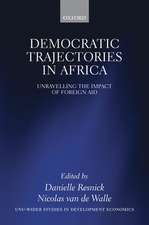 -31%Preț: 854.23 lei1240.23 lei
 -
 -27%Preț: 68.17 lei93.16 lei
 -
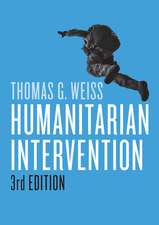 Humanitarian InterventionThomas G WeissPreț: 131.62 lei
 -
 -23%Preț: 926.72 lei1209.80 lei
 -
 -25%Preț: 196.16 lei261.23 lei
 -
 -17%Preț: 215.11 lei259.93 lei
 -
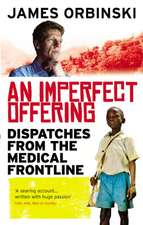 An Imperfect OfferingJames Orbinski-19%Preț: 98.55 lei121.72 lei
 -
 Carbonnier, G: Humanitarian EconomicsGilles Carbonnier-23%Preț: 229.64 lei297.67 lei
 -
 -19%Preț: 121.61 lei149.31 lei
 -
 Engineering in EmergenciesJan DavisPreț: 416.92 lei
 -
 Aid, NGOs and the Realities of Women's LivesTina WallacePreț: 232.41 lei
De ce să citești această carte
Cititorul va câștiga o înțelegere profundă a tensiunilor dintre datoria morală și eficacitatea ajutorului internațional. Este o lectură necesară pentru cei care doresc să depășească retorica simplistă a carității, oferind instrumente analitice pentru a naviga între rigorile teoriei etice și realitatea complexă a politicilor de asistență. Cartea transformă conceptul abstract de „responsabilitate” într-un ghid de acțiune pentru o lume interconectată.
Despre autor
Susan P. Murphy este o cercetătoare specializată în etică globală și dezvoltare internațională, cu un interes marcat pentru justiția socială și egalitatea de gen. Opera sa se distinge prin aplicarea teoriei etice pe studii de caz concrete, așa cum demonstrează și lucrarea sa anterioară dedicată educației incluzive în Tanzania. Prin contribuția sa în seria Studies in Global Justice, Murphy se afirmă ca o voce critică și constructivă în dialogul dintre filozofia morală și politicile publice internaționale, facilitând înțelegerea modului în care actorii globali pot descărca datoria de asistență în mod etic.
Descriere scurtă
Informed by real world examples, this book grapples with complex and multi-dimensional questions concerning practices and the ethics of aid. The author judiciously guides us through the debate between deontological and consequentialist moral theories to arrive at a sophisticated consequentialist account that does justice to the complexity of the problems and facilitates our deliberation in discharging our duty to aid, without yielding, as it should not, a determinate answer for each specific situation. Researchers, students, and practitioners of international aid will all find this book rewarding.
Win-chiat Lee,
Professor and Chair, Department of Philosophy, Wake Forest University
Susan Murphy’s book offers us a sophisticated exploration of the philosophical basis for aid. It is grounded in a full understanding of the complexities and pitfalls of the aid industry, but its particular strength lies, mainly through an extensive discussion of Singer, Rawls, O’Neill and Sen, in a comparison of consequentialist and duty-based approaches, eventually endorsing a broad non-idealised, situated consequentialist account in what she calls an interconnected ethical approach to the practice of assistance. For anyone wanting to think carefully about why we should give aid, this book has much to offer.Dr Nigel Dower
Honorary Senior Lecturer, University of Aberdeen
Author of World Ethics – the New Agenda (2007)
Cuprins
Recenzii
Notă biografică
education, and the gendered dimensions of climate change in East Africa. Susan is also a member of the steering committee of the Trinity International Development Initiative (TIDI), School of Natural Sciences Research Ethics Committee, and INTEGER Natural Sciences Committee. External roles include non-executive Director - Oxfam Ireland Council; committee member of Future Earth Ireland; Visiting lecturer to the School of Politics and International Relations UCD; and Visiting fellow with REPOA, Policy Research for Development, Tanzania.