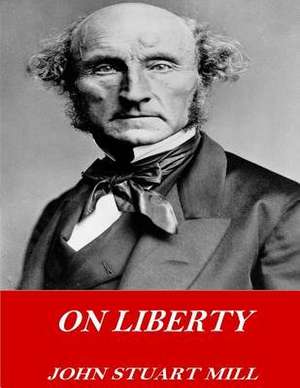
On Liberty
Autor John Stuart Millen Limba Engleză Paperback
Deși filosofia politică modernă abundă în teorii despre democrație, puține texte reușesc să completeze lacuna dintre etica utilitaristă și exercițiul practic al guvernării cu precizia volumului On Liberty. Publicată inițial în 1859, această lucrare semnată de John Stuart Mill nu este doar un eseu istoric, ci fundamentul pe care s-a construit gândirea liberală clasică. Reținem, în această ediție Dover Thrift Editions, efortul autorului de a defini standardele clare prin care autoritatea statului poate fi limitată pentru a proteja individualitatea, considerată de Mill motorul progresului social.
Observăm o structură riguroasă, în care Mill analizează riscurile „tiraniei majorității” și stabilește cele două maxime care guvernează relația dintre individ și colectivitate. Notăm cu interes influența decisivă a soției sale, Harriet Taylor Mill, asupra textului, acesta fiind conceput ca un manifest pentru libertatea de exprimare și dreptul la viață privată. Ca alternativă la An Analysis of John Stuart Mill's On Liberty de Ashleigh Campi pentru cursurile de științe politice, acest volum are avantajul de a prezenta argumentația originală, nefiltrată, oferind studenților posibilitatea de a analiza direct logica lui Mill.
În contextul operei sale, On Liberty funcționează ca o extensie politică a principiilor din Utilitarianism. Dacă în lucrarea menționată anterior Mill caută criteriul binelui și al răului, aici el aplică aceleași standarde utilitariste pentru a justifica de ce libertatea individuală este esențială pentru fericirea generală. Față de antologiile extinse precum On Liberty, Utilitarianism and Other Essays, ediția de față se concentrează strict pe eseul despre libertate, fiind un instrument de lucru concis și esențial pentru orice curriculum de teorie politică sau filosofie morală.
Preț: 54.28 lei
Carte disponibilă
Livrare economică 09-23 noiembrie
Specificații
ISBN-10: 1541378164
Pagini: 136
Dimensiuni: 216 x 279 x 7 mm
Greutate: 0.33 kg
V-ar putea interesa
-
 In Search of Lost Time, Vol 4Marcel Proust-16%Preț: 69.26 lei82.03 lei
 -
 Brave New WorldAldous HuxleyPreț: 58.71 lei
 -
 MythologiesRoland Barthes-38%Preț: 57.30 lei92.03 lei
 -
 Postwar: A History of Europe Since 1945Tony Judt-15%Preț: 107.57 lei127.06 lei
 -
 The Age Of UnreasonCharles B. HandyPreț: 90.63 lei
 -
 The Prime MinisterPeter Hennessy-18%Preț: 117.16 lei143.16 lei
 -
 The Revenge of GaiaJames Lovelock-19%Preț: 64.07 lei78.93 lei
 -
 HerzogSaul Bellow-25%Preț: 59.98 lei79.75 lei
 -
 The Call of the WildJack LondonPreț: 92.81 lei
 -
 On the Origin of SpeciesCharles Darwin-16%Preț: 55.40 lei66.33 lei
 -
 Preț: 218.58 lei
 -
 Things Fall ApartChinua AchebePreț: 148.67 lei
 -
 The Shock of the NewRobert Hughes-17%Preț: 238.67 lei286.84 lei
 -
 A Brief History of TimeStephen HawkingPreț: 104.98 lei
 -
 The Book of Laughter and ForgettingMilan KunderaPreț: 71.46 lei
 -
 The Charterhouse of ParmaStendhalPreț: 125.11 lei
 -
 Men Without WomenErnest HemingwayPreț: 91.56 lei
 -
 The Story of ArtE. H. Gombrich-17%Preț: 252.96 lei306.49 lei
 -
 Preț: 378.52 lei
 -
 FlatlandEdwin A. AbbottPreț: 51.78 lei
 -
 The Count of Monte CristoAlexandre Dumas-26%Preț: 146.72 lei199.46 lei
 -
 The Portrait Of A LadyHenry James-15%Preț: 95.65 lei112.84 lei
 -
 -17%Preț: 90.70 lei109.62 lei
De ce să citești această carte
Această ediție este indispensabilă pentru studenții la științe politice și drept, oferind textul sursă care a definit conceptul modern de libertate civilă. Cititorul câștigă o înțelegere profundă a limitelor puterii statului și a importanței toleranței în discursul public. Este o recomandare de bază pentru oricine dorește să înțeleagă rădăcinile democrației liberale și mecanismele prin care minoritățile sunt protejate de presiunea conformismului social.
Despre autor
John Stuart Mill (1806–1873) a fost un filosof și economist politic britanic, figură centrală a liberalismului clasic. Format sub îndrumarea riguroasă a tatălui său și a lui Jeremy Bentham, Mill a rafinat teoria utilitarismului, aducându-i valențe umaniste și punând accent pe dezvoltarea individuală. Ca membru al Parlamentului și autor al lucrării The Subjection of Women, a fost un susținător timpuriu al drepturilor femeilor și al sufragiului universal. Opera sa vastă, care include contribuții esențiale în logică și economie politică, rămâne un pilon al gândirii occidentale contemporane.
Descriere scurtă
Textul de pe ultima copertă
The British economist, philosopher, and ethical theorist's argument does not focus on "the so-called Liberty of the Will but Civil, or Social Liberty: the nature and limits of the power which can be legitimately exercised by society over the individual." Mill asks and answers provocative questions relating to the boundaries of social authority and individual sovereignty. In powerful and persuasive prose, he declares that there is "one very simple principle" regarding the use of coercion in society one may only coerce others either to defend oneself or to defend others from harm.
The new edition offers students of political science and philosophy, in an inexpensive volume, one of the most influential studies on the nature of individual liberty and its role in a democratic society."