
Notes from Underground: Arcturus Ornate Classics
Autor Fyodor Dostoevsky Traducere de Constance Garnetten Limba Engleză Hardback – iun 2026
Ne-a atras atenția, încă de la primele pagini, structura bivalentă și neconvențională a acestei lucrări ce marchează o ruptură definitivă în literatura secolului al XIX-lea. Notes From Underground nu se deschide ca o narațiune clasică, ci ca un monolog interior abraziv, un manifest filosofic în care „Omul din Subterană” își expune izolarea și disprețul față de legile rațiunii și ale interesului propriu. Această primă parte, densă și introspectivă, pune bazele pentru cea de-a doua jumătate, intitulată „Apropos of the Wet Snow”, unde cronologia devine mai clară, relatând interacțiunile alienate ale protagonistului cu foști colegi și cu Liza, o tânără prostituată. Subliniem modul în care Fyodor Dostoevsky reușește să transforme auto-izolarea într-o formă de revoltă spirituală. Observăm în acest text germenii marilor teme pe care autorul le va rafina ulterior în Crime and Punishment. Dacă în The Brothers Karamazov întâlnim o explorare a divinității și a moralei, aici suntem martorii unei scufundări în depravarea conștiinței umane și în refuzul complăcerii sociale. Forța narativă a lui Fyodor Dostoevsky combinată cu sensibilitatea unui observator social precum Mark Pettus — dar cu un glas propriu, mult mai visceral — oferă o perspectivă unică asupra condiției umane. Este o lucrare care, deși publicată inițial în 1864, păstrează un ton surprinzător de modern, anticipând literatura absurdului și existențialismul secolului XX. Ritmul este unul sincopat, oscilând între cinism și o înțelepciune dureroasă, oferind cititorului o experiență de lectură provocatoare și profund reflexivă.
Din seria Arcturus Ornate Classics
-
 Preț: 64.22 lei
 -
 Preț: 65.56 lei
 -
 Preț: 64.89 lei
 -
 Preț: 65.65 lei
 -
 Preț: 64.85 lei
 -
 Preț: 65.36 lei
 -
 Preț: 67.00 lei
 -
 Preț: 65.02 lei
 -
 Preț: 64.45 lei
 -
 Preț: 65.83 lei
 -
 Preț: 64.87 lei
 -
 Preț: 65.73 lei
 -
 Preț: 65.53 lei
 -
 Preț: 66.57 lei
 -
 Preț: 66.07 lei
 -
 Preț: 65.40 lei
 -
 Preț: 66.57 lei
 -
 Preț: 64.24 lei
 -
 Preț: 64.89 lei
 -
 Preț: 54.47 lei
 -
 Preț: 65.82 lei
 -
 Preț: 65.60 lei
 -
 Preț: 65.03 lei
 -
 Preț: 63.67 lei
 -
 Preț: 65.02 lei
 -
 Preț: 65.19 lei
 -
 Preț: 64.11 lei
 -
 Preț: 65.57 lei
 -
 Preț: 64.76 lei
 -
 Preț: 54.83 lei
 -
 Preț: 54.52 lei
 -
 Preț: 64.17 lei
 - 6%
 Preț: 61.87 lei
 -
 Preț: 65.59 lei
 -
 Preț: 65.59 lei
 -
 Preț: 65.63 lei
 -
 Preț: 66.36 lei
 -
 Preț: 65.60 lei
 -
 Preț: 65.67 lei
 -
 Preț: 66.02 lei
 - 6%
 Preț: 61.82 lei
 -
 Preț: 65.47 lei
 -
 Preț: 65.23 lei
 -
 Preț: 65.80 lei
 -
 Preț: 66.00 lei
 - 6%
 Preț: 61.70 lei
 -
 Preț: 64.89 lei
 -
 Preț: 65.40 lei
 -
 Preț: 65.80 lei
Preț: 65.09 lei
Carte disponibilă
Livrare economică 07-21 noiembrie
Livrare express 27-31 octombrie pentru 19.68 lei
Specificații
ISBN-10: 1398865079
Pagini: 160
Dimensiuni: 110 x 172 x 20 mm
Greutate: 0.21 kg
Editura: Arcturus Publishing
Colecția Arcturus Ornate Classics
Seria Arcturus Ornate Classics
V-ar putea interesa
-
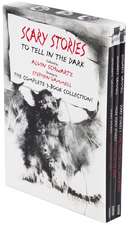 Scary Stories Paperback Box SetAlvin SchwartzPreț: 168.86 lei
 -
 The Acid HouseIrvine Welsh-18%Preț: 59.55 lei72.55 lei
 -
 StonerJohn L. Williams-19%Preț: 57.69 lei71.27 lei
 -
 MeditationsMarcus Aurelius-20%Preț: 45.71 lei56.89 lei
 -
 One Flew Over the Cuckoo's NestKen Kesey-25%Preț: 59.35 lei79.37 lei
 -
 The FountainheadAyn Rand-41%Preț: 66.02 lei111.09 lei
 -
 Beauty: A Very Short IntroductionRoger Scruton-19%Preț: 58.23 lei71.76 lei
 -
 A Moth to a FlameStig Dagerman-20%Preț: 56.39 lei70.51 lei
 -
 Cat's CradleKurt Vonnegut-27%Preț: 51.56 lei71.03 lei
 -
 Notes from the UndergroundFyodor Dostoyevsky-19%Preț: 23.30 lei28.69 lei
 -
 The TrialFranz KafkaPreț: 46.01 lei
 -
 OriginDan BrownPreț: 115.72 lei
 -
 2001: A Space OdysseyArthur Charles Clarke-26%Preț: 58.70 lei79.30 lei
 -
 FactotumCharles Bukowski-20%Preț: 62.45 lei78.00 lei
 -
 AttachedAmir Levine-37%Preț: 49.69 lei79.05 lei
 -
 Notes from UndergroundFyodor DostoyevskyPreț: 51.68 lei
 -
 StonerJohn WilliamsPreț: 103.31 lei
 -
 The Grand InquisitorFyodor Mikhailovich DostoevskyPreț: 37.30 lei
 -
 In the Realm of Hungry GhostsGabor Maté-32%Preț: 73.91 lei108.44 lei
 -
 World of Warcraft: Before the StormChristie Golden-17%Preț: 55.13 lei66.22 lei
 -
 The Pleasures of the Damned: Selected Poems 1951-1993Charles Bukowski-23%Preț: 94.58 lei122.62 lei
 -
 The Hound of the Baskervilles, A Study in Scarlet, The Sign of FourArthur Conan Doyle-17%Preț: 104.36 lei125.20 lei
 -
 The Master and MargaritaMikhail BulgakovPreț: 52.65 lei
 -
 Don QuixoteMiguel de CervantesPreț: 28.01 lei
 -
 The IdiotFyodor DostoevskyPreț: 40.12 lei
 -
 -26%Preț: 58.22 lei79.00 lei
De ce să citești această carte
Recomandăm această ediție Bantam Classic oricărui cititor care dorește să înțeleagă originile existențialismului modern. Dincolo de valoarea istorică, Notes From Underground oferă o analiză psihologică necruțătoare a individului alienat de societate. Veți câștiga o perspectivă profundă asupra modului în care suferința și refuzul logicii pot deveni acte de libertate personală, totul sub semnătura unuia dintre cei mai mari scriitori ai lumii.
Despre autor
Fyodor Dostoevsky (1821-1881) este recunoscut drept unul dintre titanii literaturii universale, opera sa explorând abisurile psihologiei umane în contextul tulburărilor politice și sociale din Rusia secolului al XIX-lea. După experiența traumatizantă a detenției în Siberia, reflectată parțial în The House of the Dead, Dostoievski a scris Notes From Underground, marcând trecerea către romanele sale de maturitate. Stilul său, descris de James Joyce ca fiind cel care a intensificat proza modernă, se regăsește în capodopere precum The Idiot și The Brothers Karamazov, lucrări care continuă să influențeze gândirea filosofică și literară globală.
Notă biografică
Fyodor Dostoevsky was born in Moscow on 11th November 1821. He had six siblings and his mother died in 1837 and his father in 1839. He graduated from the St Petersburg Academy of Military Engineering in 1846 but decided to change careers and become a writer. His first book, Poor Folk, did very well but on 23rd April 1849 he was arrested for subversion and sentenced to death. After a mock-execution his sentence was commuted to hard labour in Siberia where he developed epilepsy.He was released in 1854. His 1860 book, The House of the Dead was based on these experiences. In 1857 he married Maria Dmitrievna Isaeva. After his release he adopted more conservative and traditional values and rejected his previous socialist position. In the following years he spent a lot of time abroad, struggled with an addiction to gambling and fell deeply in debt. His wife died in 1864 and he married Anna Grigoryeva Snitkina. In the following years he published his most enduring and successful books, includingCrime and Punishment (1865). He died on 9th February 1881.
Richard Pevear (Introducer, Translator)
Richard Pevear has published translations of Yves Bonnefoy, Alberto Savinio and Pavel Florensky, as well as two books of poetry.
He has received fellowships for translation from the National Endowment for the Arts, the Ingram Merrill Foundation, the Guggenheim Foundation, and a grant from the National Endowment for the Humanities in support of the translation of The Brothers Karamazov.
Larissa Volokhonsky (Translator)
Larissa Volokhonsky was born in Leningrad.
She has translated the work of the prominent
Orthodox theologians Alexander Schmemann
and John Meyendorff.
Extras
UNDERGROUND*
I
I AM a sick man. . . . I am a spiteful man. An unattractive man. I
think that my liver hurts. But actually, I don't know a damn thing
about my illness. I am not even sure what it is that hurts. I am not
in treatment and never have been, although I respect both medicine
and doctors. Besides, I am superstitious in the extreme; well, at
least to the extent of respecting medicine. (I am sufficiently
educated not to be superstitious, but I am.) No, sir, I refuse to see
a doctor simply out of spite. Now, that is something that you
probably will fail to understand. Well, I understand it. Naturally, I
will not be able to explain to you precisely whom I will injure in
this instance by my spite. I know perfectly well that I am certainly
not giving the doctors a "dirty deal" by not seeking treatment. I
know better than anyone that I will only harm myself by this, and no
one else. And yet, if I don't seek a cure, it is out of spite. My
liver hurts? Good, let it hurt still more!
I have been living like this for a long time-about twenty years. Now
I am forty. I used to be in the civil service; today I am not. I was
a mean official. I was rude, and found pleasure in it. After all, I
took no bribes, and so I had to recompense myself at least by this.
(A poor joke, but I will not cross it out. I wrote it, thinking it
would be extremely witty; but now I see that it was only a vile
little attempt at showing off, and just for that I'll let it stand!)
When petitioners came to my desk seeking information, I gnashed my
teeth at them, and gloated insatiably whenever I succeeded in
distressing them. I almost always succeeded. Most of them were timid
folk: naturally-petitioners. But there were also some fops, and among
these I particularly detested a certain officer. He absolutely
refused to submit and clattered revoltingly with his sword. I battled
him over that sword for a year and a half. And finally I got the best
of him. He stopped clattering. This, however, happened long ago, when
I was still a young man. But do you know, gentlemen, what was the
main thing about my spite? Why, the whole point, the vilest part of
it, was that I was constantly and shamefully aware, even at moments
of the most violent spleen, that I was not at all a spiteful, no, not
even an embittered, man. That I was merely frightening sparrows to no
purpose, diverting myself. I might be foaming at the mouth, but bring
me a doll, give me some tea, with a bit of sugar, and I'd most likely
calm down. Indeed, I would be deeply touched, my very heart would
melt, though later I'd surely gnash my teeth at myself and suffer
from insomnia for months. That's how it is with me.
I lied just now when I said that I had been a mean official. I lied
out of sheer spite. I was merely fooling around, both with the
petitioners and with the officer, but in reality I could never have
become malicious. I was aware at every moment of many, many
altogether contrary elements. I felt them swarming inside me, those
contrary elements. I knew that they had swarmed inside me all my
life, begging to be let out, but I never, never allowed them to come
out, just for spite. They tormented me to the point of shame, they
drove me to convulsions-I was so sick and tired of them in the end.
Sick and tired! But perhaps you think, dear sirs, that I am now
repenting of something before you, asking your forgiveness for
something? . . . Indeed, I am quite certain that you think so. But
then, I assure you it doesn't make the slightest difference to me if
you do. . . .
I could not become malicious. In fact, I could not become anything:
neither bad nor good, neither a scoundrel nor an honest man, neither
a hero nor an insect. And now I am eking out my days in my corner,
taunting myself with the bitter and entirely useless consolation that
an intelligent man cannot seriously become anything; that only a fool
can become something. Yes, sir, an intelligent nineteenth-century man
must be, is morally bound to be, an essentially characterless
creature; and a man of character, a man of action-an essentially
limited creature. This is my conviction at the age of forty. I am
forty now, and forty years-why, it is all of a lifetime, it is the
deepest old age. Living past forty is indecent, vulgar, immoral! Now
answer me, sincerely, honestly, who lives past forty? I'll tell you
who does: fools and scoundrels. I will say this right to the face of
all those venerable old men, all those silver-haired, sweet-smelling
old men! I have a right to say it, because I will live to sixty
myself. To seventy! To eighty! . . . Wait, let me catch my breath. .
. .
You might be imagining, gentlemen, that I am trying to amuse you, to
make you laugh? Wrong again. I am not at all the jolly character you
think I am, or may perhaps think I am. But then, if, irritated by all
this prattle (and I feel it already, I feel you are irritated),
you'll take it into your heads to ask me what I am, I'll answer you:
I am a certain collegiate assessor. I worked in order to eat (but
solely for that reason), and when a distant relation left me six
thousand rubles in his will last year, I immediately retired and
settled down in my corner. I had lived here previously as well, but
now I've settled down in this corner. My room is dismal, squalid, at
the very edge of town. My servant is a peasant woman, old, stupid,
vicious out of stupidity, and she always has a foul smell about her
besides.
I am told that the Petersburg climate is becoming bad for me, that
with my niggling means it's too expensive to live in Petersburg. I
know all that, I know it better than all those wise, experienced
counselors and head-shakers. But I stay on in Petersburg; I shall not
leave Petersburg! I shall not leave because. . . . Ah, but what
difference does it make whether I leave or don't leave.
To go on, however-what can a decent man talk about with the greatest pleasure?
Answer: about himself.
Well, then, I too shall talk about myself.
--
Descriere scurtă
Descriere
"It may seem paradoxical to speak of such insights as liberating, or to find in the Underground Man's impassioned rejection of rational humanitarianism a call to arms. Yet each age we live through as individuals demands a certain kind of book- just as each era thieves the last with a magpie's lust for the gewgaws of thought. Oddly enough, now I come to look at Notes again- and examine it in the round- I discover that my revised impression of it as a text at once jejune and cynical, callow as well as wise, is not, perhaps, too far from reality." -Will Self
""(Dostoevsky)... is the man more than any other who has created modern prose, and intensified it to its present-day pitch." -James Joyce Notes from the Underground is Fyodor Dostoevsky's ninth novel, and considered to be one of the first examples of the existential novel. In this radically inventive work, an alienated former minor administrator in nineteenth-century Russia has broken away from society and withdrawn into an underground identity.With its piercing insight into political, social, and moral issues, this classic is one of the most provocative work of literature ever written.
In the first half of the novel, the unnamed narrator, a cynical recluse in 1860's St. Petersburg, attacks the ideologies of inherent laws of self-interest; he is crippled with self-loathing, and bound by his contempt of certain political attitudes of his day. He welcomes any psychic or physical pain in his life as he believe it rails against the complacency of modern society. The second half, entitled "Apropos of the Wet Snow", the narrator relates his alienated relationships he experiences with others, including old school chums and a prostitute named Liza, who is only demeaned in his misanthropic mind. A singular document of the depravity of human consciousness, this is one of the most powerful pieces of literature ever written.
With an eye-catching new cover, and professionally typeset manuscript, this edition of Notes from the Underground is both modern and readable.