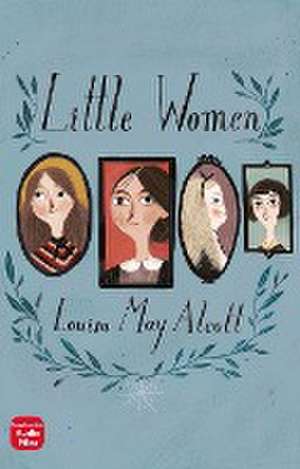
Little Women: Teen ELI Readers
Autor Louisa May Alcotten Limba Engleză Paperback – 14 sep 2021
În lumina caldă a căminului familiei March, descoperim o atmosferă de o onestitate emoționantă, unde sărăcia și greutățile războiului sunt îndulcite de legăturile de nezdruncinat dintre patru surori. Observăm cum Little Women nu este doar un roman pentru copii, ci o cronică a maturizării, surprinzând tranziția fragilă de la jocurile copilăriei la responsabilitățile vieții de adult. Imaginați-vă tensiunea domestică și morală din The Annotated Little Women, mutată într-un decor de secol XIX american, unde fiecare gest de sacrificiu contează. Suntem de părere că forța acestui text rezidă în diversitatea caracterelor: Meg, cea responsabilă; Jo, spiritul rebel și scriitoarea familiei; Beth, liniștea și bunătatea; și Amy, mezina ambițioasă. Spre deosebire de edițiile standard, acest volum din seria Collins Classics oferă o perspectivă academică și intimă asupra procesului de creație. Structura este îmbogățită de o secțiune vastă de anexe (Appendix A-D), care ghidează cititorul prin jurnalele lui Louisa May Alcott, corespondența sa și influențele literare care au modelat povestea, de la La Fontaine la Andersen. Poziționată ca pilon central al operei sale, această lucrare anticipează temele autonomiei feminine și ale datoriei familiale pe care autoarea le va explora ulterior în Little Men și Jo’s Boys. Găsim în această ediție nu doar narațiunea clasică, ci și „scrierile surorilor March”, oferind o profunzime rară universului ficțional. Este o lectură care echilibrează perfect nostalgia cu observația socială ascuțită.
Din seria Teen ELI Readers
-
 Preț: 92.53 lei
 -
 Preț: 89.77 lei
 -
 Preț: 96.06 lei
 -
 Preț: 95.04 lei
 -
 Preț: 96.69 lei
 -
 Preț: 101.15 lei
 -
 Preț: 95.05 lei
 -
 Preț: 89.71 lei
 -
 Preț: 92.87 lei
 -
 Preț: 105.27 lei
 -
 Preț: 93.23 lei
 -
 Preț: 90.45 lei
 -
 Preț: 94.61 lei
 -
 Preț: 92.27 lei
 -
 Preț: 92.01 lei
 -
 Preț: 92.09 lei
 -
 Preț: 91.19 lei
 -
 Preț: 92.63 lei
 -
 Preț: 93.45 lei
 -
 Preț: 76.15 lei
 -
 Preț: 78.27 lei
 -
 Preț: 71.33 lei
 -
 Preț: 76.22 lei
 -
 Preț: 80.04 lei
 -
 Preț: 80.04 lei
 -
 Preț: 79.10 lei
 -
 Preț: 76.30 lei
 -
 Preț: 76.22 lei
 -
 Preț: 81.80 lei
 -
 Preț: 76.30 lei
 -
 Preț: 90.96 lei
 -
 Preț: 87.63 lei
 -
 Preț: 84.19 lei
 -
 Preț: 92.87 lei
 -
 Preț: 85.55 lei
Preț: 95.43 lei
Carte disponibilă
Livrare economică 26 octombrie-02 noiembrie
Livrare express 15-21 octombrie pentru 18.84 lei
Specificații
ISBN-10: 3125147131
Pagini: 80
Dimensiuni: 142 x 205 x 5 mm
Greutate: 0.14 kg
Editura: Klett Sprachen GmbH
Seria Teen ELI Readers
V-ar putea interesa
-
 The Portrait of a LadyHenry JamesPreț: 28.01 lei
 -
 The One and Only IvanKatherine ApplegatePreț: 70.32 lei
 -
 MeditationsMarcus Aurelius-20%Preț: 44.62 lei55.89 lei
 -
 Sense and SensibilityJane Austen-25%Preț: 49.35 lei66.07 lei
 -
 Tales of Uncle Remus (Puffin Modern Classics)Julius LesterPreț: 48.73 lei
 -
 On ViolenceHannah ArendtPreț: 87.00 lei
 -
 Games People PlayEric Berne-27%Preț: 62.28 lei84.96 lei
 -
 Home of the BraveKatherine ApplegatePreț: 56.83 lei
 -
 Preț: 36.75 lei
 -
 The Wonderful Wizard Of OzFrank L BaumPreț: 39.73 lei
 -
 Peter Rabbit Buggy Book: Copii 0-5 aniBeatrix PotterPreț: 42.05 lei
 -
 Peter Rabbit My First Little LibraryBeatrix Potter-26%Preț: 38.26 lei51.58 lei
 -
 Peter Rabbit: Tickle Tickle Peter!Beatrix PotterPreț: 67.03 lei
 -
 Night Night Peter RabbitBeatrix PotterPreț: 91.05 lei
 -
 Uncle Tom's CabinHarriet Beecher StowePreț: 38.10 lei
 -
 First 100 NumbersPriddy Books-30%Preț: 30.19 lei43.21 lei
 -
 The Passionate State of MindEric HofferPreț: 76.97 lei
De ce să citești această carte
Pentru oricine dorește să exploreze bazele literaturii clasice americane printr-o lentilă caldă și umană. Această ediție este specială pentru cititorul curios, oferind acces la jurnalele reale ale autoarei, ceea ce transformă experiența lecturii într-o cercetare fascinantă a modului în care viața reală devine ficțiune. Veți câștiga o înțelegere profundă a legăturilor de familie și a rezilienței feminine.
Despre autor
Louisa May Alcott (1832–1888) a fost o romancieră și poetă americană, figură centrală a mișcărilor pentru drepturile femeilor și aboliționism. Crescută într-un mediu intelectual efervescent sub îndrumarea părinților săi transcendențaliști, a fost influențată de figuri precum Thoreau și Emerson. Deși a scris inițial povestiri senzaționaliste sub pseudonim pentru a-și susține financiar familia, succesul răsunător a venit odată cu publicarea Little Women în 1868. Romanul, parțial autobiografic, reflectă experiențele sale din Orchard House, Massachusetts, și rămâne una dintre cele mai iubite opere ale literaturii universale.
Descriere scurtă
Notă biografică
Louisa May Alcott (1832 - 1888) was an American novelist and poet best known as the author of the novel Little Women (1868) and its sequels Little Men (1871) and Jo's Boys (1886). Raised by her transcendentalist parents, Abigail May and Amos Bronson Alcott in New England, she also grew up among many of the well-known intellectuals of the day such as Ralph Waldo Emerson, Nathaniel Hawthorne, and Henry David Thoreau. Alcott's family suffered financial difficulties, and while she worked to help support the family from an early age, she also sought an outlet in writing. She began to receive critical success for her writing in the 1860s. Early in her career, she sometimes used the pen name A. M. Barnard, under which she wrote novels for young adults. Published in 1868, Little Women is set in the Alcott family home, Hillside, later called the Wayside, in Concord, Massachusetts and is loosely based on Alcott's childhood experiences with her three sisters. The novel was very well received and is still a popular children's novel today, filmed several times. Alcott was an abolitionist and a feminist and remained unmarried throughout her life. She died in Boston on March 6, 1888.
Descriere
Little Women is the triumphant novel by Louisa May Alcott that has inspired nearly all who've read it. The inspiration for several major motion pictures, miniseries, plays, and more, discover the fantastical adventures set about by the memorable March sisters the world has come to love.
Little Women tells the story of the four March sisters as they establish themselves through the various circumstances that life throws their way. There is Margaret "Meg" March, the eldest and commonly referred to as the most beautiful sister; Josephine "Jo" March, the main character of the story as well as the most strong and willful of the four; Elizabeth "Beth" March, the quiet and musical sister; and finally Amy, the youngest and most artistic. Growing up in a modest household, the priority for the March sisters was always to behave; the sisters were told to be kind and give back and to cast aside their own desires for the betterment of others. As the girls grow up however, each of the sisters discover that life doesn't always play by the rules, and sometimes, it just might be better to break them.
It's no wonder Little Women is as celebrated today as it was in the 19th century; it is a powerful literary reminder that gender is not what counts when it comes to making a difference in the world.
Now a major motion picture by award winning director Greta Gerwig, delight in the story that has captured the hearts of so many readers. With an eye-catching new cover, and a professionally typeset manuscript, this edition of Little Women is not to be missed.
Recenzii
The four March sisters couldn't be more different: Meg, the eldest, is dutiful and patient; Jo is adventurous, with dreams of being a great writer; shy, musical Beth is the peacemaker; and headstrong Amy likes the finer things in life. They may not always get along, but with their father away in the Civil War and their mother struggling to make ends meet, the sisters have never needed each other more. Together, the girls navigate growing up - from first love to sibling rivalry, loss and marriage. Whatever comes their way, they know they can rely on each other.
I know I will remember this book for years to come and it will always feel as if it were almost yesterday that I read it, as it is a book to treasure and keep on a dusty bookshelf to pass on for generations
I try to get every girly girl to read this one because those four sisters are so real. Everybody's favourite is Jo, the tomboy who wants to be a writer
Deals with life's big questions - love and death, war and peace, and ambition versus family responsibility - in a way that is inspiring and realistic. Use a hankie as a bookmark - tears are guaranteed
The book is not so much a novel, in the Henry James sense of the term, as a sort of wad of themes and scenes and cultural wishes. It is more like the Mahabharata or the Old Testament than it is like a novel. And that makes it an extraordinary novel
Alcott's writing was elegant yet poignant and haunting at moments, and perfect for the era it was set in, whilst the sister's personalities were intricately described throughout the whole book. It gave you a sense of what it was like to be a normal family in the 1800's and subtly showed the feelings of each character
A beautiful heartwarming read
Louisa May Alcott's Little Women is as much a part of every girl's childhood as her first pair of ballet shoes and the Brothers Grimm
Textul de pe ultima copertă
Literary-minded tomboy Jo develops a fast friendship with the boy next door, and pretty Meg, the eldest, finds romance; frail and affectionate Beth fills the house with music, and little Amy, the youngest, seeks beauty with all the longing of an artist's soul. Although poor in material wealth, the family possesses an abundance of love, friendship, and imaginative gifts that captivate readers time and again.
This inexpensive, complete and unabridged edition of this beloved novel is sure to delight a generation of new readers, as well as those reacquainting themselves with its warmth and charm.
A selection of the Common Core State Standards Initiative."
Cuprins
Introduction
Louisa May Alcott: A Brief Chronology
A Note on the Text
List of Abbreviations
Little Women, or Meg, Jo, Beth and Amy
Appendix A: The Composition and Publication of Little Women
- Entries from Louisa May Alcott’s Journals about Little Women
- A Manuscript Page of Little Women
- Correspondence concerning Little Women
- Nineteenth-Century comments/reviews of Little Women
- Louisa May Alcott’s Journal entries
- Early versions of Little Women stories:
- “The Sister’s Trial”
- “Merry’s Monthly Chat”
- “My Polish Boy”
- “Norna; or, The Witches’ Curse"
- “Aunt Sue’s Scrap Bag” from Merry’s Museum
- “The Masked Marriage”
- “The Greek Slave”
- “The Rival Painters”
- Bronson Alcott’s Influence
- Louisa May Alcott’s comments about books & reading
- Jean de La Fontaine, “The Jay in Peacock’s Feathers”
- Hans Christian Andersen, "The Steadfast Tin Soldier”
- “The King & the Beggarmaid” tales
- Selections from John Bunyan, The Pilgrim’s Progress
- Excerpts from the Proceedings of the Women’s Rights Convention
- Selections from Louisa May Alcott’s journals & letters
- “Louisa M. Alcott’s Defence of Woman Suffrage”
- Selections from Louisa May Alcott’s other writings
Extras
"Christmas won't be Christmas without any presents,"grumbled Jo, lying on the rug.
"It's so dreadful to be poor!"sighed Meg, looking down at her old dress.
"I don't think it's fair for some girls to have lots of pretty things, and other girls nothing at all," added little Amy, with an injured sniff.
"We've got father and mother, and each other, anyhow,"said Beth, contentedly, from her corner.
The four young faces on which the firelight shone brightened at the cheerful words, but darkened again as Jo said sadly?
"We haven't got father, and shall not have him for a long time." She didn't say "perhaps never,"but each silently added it, thinking of father far away, where the fighting was.
Nobody spoke for a minute; then Meg said in an altered tone, "You know the reason mother proposed not having any presents this Christmas, was because it's going to be a hard winter for every one; and she thinks we ought not to spend money for pleasure, when our men are suffering so in the army. We can't do much, but we can make our little sacrifices, and ought to do it gladly. But I am afraid I don't;"and Megshook her head, as she thought regretfully of all the pretty things she wanted.
"But I don't think the little we should spend would do any good. We've each got a dollar, and the army wouldn't be much helped by our giving that. I agree not to expect anything from mother or you, but I do want to buy Undine and Sintram for myself; I've wanted it so long,'said Jo, who was a bookworm.
"I planned to spend mine in new music,"said Beth, with a little sigh, which no one heard but the hearth-brush and kettle-holder.
"I shall get a nice box of Faber's drawing pencils; I really need them," said Amy, decidedly.
"Mother didn't say anything about our money, and she won't wish us to give up everything. Let's each buy what we want, and have a little fun; I'm sure we grub hard enough to earn it,"cried Jo, examining the heels of her
boots in a gentlemanly manner.
"I know I do, teaching those dreadful children nearly all day, when I'm longing to enjoy myself at home," began Meg, in the complaining tone again.
"You don't have half such a hard time as I do," said Jo. "How would you like to be shut up for hours with a nervous, fussy old lady, who keeps you trotting, is never satisfied, and worries you till you''e ready to fly out of the window or box her ears?"
"It's naughty to fret, but I do think washing dishes and keeping things tidy is the worst work in the world. It makes me cross; and my hands get so stiff, I can't practise good a bit." And Beth looked at her rough hands with a sigh that any one could hear that time.
"I don't believe any of you suffer as I do," cried Amy; "for you don't have to go to school with impertinent girls, who plague you if you don't know your lessons, and laugh at your dresses, and label your father if he isn't rich, and insult you when your nose isn't nice."
"If you mean libel I'd say so, and not talk about labels, as if pa was a pickle-bottle," advised Jo, laughing.