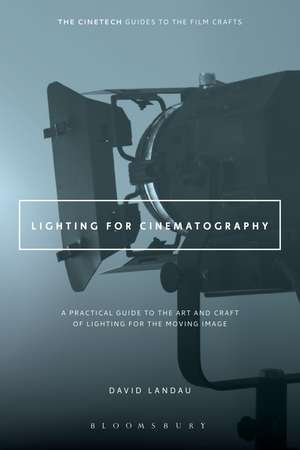
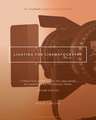
Lighting for Cinematography: A Practical Guide to the Art and Craft of Lighting for the Moving Image: The CineTech Guides to the Film Crafts
Autor David Landauen Limba Engleză Paperback – 14 aug 2014
Lighting for Cinematography, the first volume in the new CineTech Guides to the Film Crafts series, is the indispensable guide for film and video lighting. Written by veteran gaffer and cinematographer David Landau, the book helps the reader create lighting that supports the emotional moment of the scene, contributes to the atmosphere of the story and augments an artistic style. Structured to mimic a 14 week semester, the chapters cover such things as lighting for movement, working with windows, night lighting, lighting the three plains of action and non-fiction lighting. Every chapter includes stills, lighting diagrams and key advice from professionals in the field, as well as lighting exercises to help the reader put into practice what was covered.
www.lightingforcinematography.com
Preț: 255.79 lei
Preț vechi: 298.09 lei
-14%
Puncte Express: 384
Cartea se retipărește
Doresc să fiu notificat când acest titlu va fi disponibil:
Se trimite...
Specificații
ISBN-13: 9781628926927
ISBN-10: 1628926929
Pagini: 275
Ilustrații: 200 illus
Dimensiuni: 186 x 234 x 18 mm
Greutate: 0.75 kg
Editura: Bloomsbury Publishing
Colecția Bloomsbury Academic
Seria The CineTech Guides to the Film Crafts
Locul publicării:New York, United States
ISBN-10: 1628926929
Pagini: 275
Ilustrații: 200 illus
Dimensiuni: 186 x 234 x 18 mm
Greutate: 0.75 kg
Editura: Bloomsbury Publishing
Colecția Bloomsbury Academic
Seria The CineTech Guides to the Film Crafts
Locul publicării:New York, United States
Cuprins
Contents
Acknowledgements
Introduction: No matter how good a camera, good lighting is what sells the picture
Chapter 1: The Magic of Light - What lighting does for the image and what light is.
Chapter 2: Who and What Makes Light- the lighting crew, lighting units, basic electricity
Chapter 3: Lighting the Subject - motivated and three point lighting
Chapter 4: Light the shot, not just the subject - three plains of lighting
Chapter 5: Common Practical Lighting Set-ups - cross key, chicken coop, china ball, bathrooms
Chapter 6: Lighting for Movement - subject & camera, ambient soft light
Chapter 7: Dealing with Daylight 1: Shooting Exteriors
Chapter 8: Dealing with Daylight 2: Working with windows
Chapter 9: Night Light- lighting night exteriors & interiors
Chapter 10: Working with Color - using color for mood, gels
Chapter 11: Light the scene, not just the shot - High Key, Low Key, contrast ratios, exposure choice, Chiaroscuro lighting, Rembrandt, Butterfly lighting
Chapter 12: Special Lighting Considerations & Effects- fire, water, rain, fog, lightening, poor man's process shot, green screen, product shots, etc
Chapter 13: Lighting Non-fiction - Interview, Corporate, News Magazine, Documentary, Reality
Chapter 14: Inspiration and Lighting Looks
Appendix 1: Tales from the Trade - interviews with professional gaffers, LDs & Cinematographers
Appendix 2: Resources - Apps, books, magazines, websites, etc.
Glossary
Index
Acknowledgements
Introduction: No matter how good a camera, good lighting is what sells the picture
Chapter 1: The Magic of Light - What lighting does for the image and what light is.
Chapter 2: Who and What Makes Light- the lighting crew, lighting units, basic electricity
Chapter 3: Lighting the Subject - motivated and three point lighting
Chapter 4: Light the shot, not just the subject - three plains of lighting
Chapter 5: Common Practical Lighting Set-ups - cross key, chicken coop, china ball, bathrooms
Chapter 6: Lighting for Movement - subject & camera, ambient soft light
Chapter 7: Dealing with Daylight 1: Shooting Exteriors
Chapter 8: Dealing with Daylight 2: Working with windows
Chapter 9: Night Light- lighting night exteriors & interiors
Chapter 10: Working with Color - using color for mood, gels
Chapter 11: Light the scene, not just the shot - High Key, Low Key, contrast ratios, exposure choice, Chiaroscuro lighting, Rembrandt, Butterfly lighting
Chapter 12: Special Lighting Considerations & Effects- fire, water, rain, fog, lightening, poor man's process shot, green screen, product shots, etc
Chapter 13: Lighting Non-fiction - Interview, Corporate, News Magazine, Documentary, Reality
Chapter 14: Inspiration and Lighting Looks
Appendix 1: Tales from the Trade - interviews with professional gaffers, LDs & Cinematographers
Appendix 2: Resources - Apps, books, magazines, websites, etc.
Glossary
Index
Recenzii
It's dense, detailed, thoughtful, simply written and highly educational. Lighting for Cinematography: A Practical Guide to the Art and Craft of Lighting for the Moving Image might have been created as a practicum for a 14-week course in cinematography, but David Landau's study of the art and craft of lighting has something for everyone, from the neophyte to the veteran.
Lighting for Cinematography is one of the most comprehensive and engaging texts on the subject this reviewer has read . The author fills the volume with outstanding visuals, including screen captures and lighting plans from actual films and television programs, in so doing bringing the lessons to life. Most notably, Landau includes commentary by current practitioners, thus providing an invaluable glimpse into the minds of creative professionals. This is a compelling read for those wishing to improve their craft as well as for those still learning the ropes. Summing Up: Recommended. Lower-division undergraduates, including students in technical programs, through faculty and professionals.
Whilst there are some great books with interviews of big time cinematographers out there, there are few books immediately applicable to what emerging cinematographers face on limited budget shoots ... This how-to book addresses how filmmakers on a limited budget and time schedule can achieve professional looking images similar to what they see on the big screen.
This unique approach has been needed for a long time and there is simply no other lighting book like this in print.
A master class in cinematography! David Landau's conversational tone mixed with 35 years of technical experience and aesthetic prowess results in a very accessible text that should be cherished by students and professionals alike. Whether he is describing the process of lighting through a window with a 1200 HMI Par with a double scrim, 250 diffusion and 1/2 CTO or describing his method of achieving a firelight effect with several 250W Inkies with a mixture of amber and orange gels and run through a flicker box, Landau's multiple accounts from his work in the field give this book a much appreciated practicality and voice of authority that is invaluable for the emerging cinematographer.
David Landau has produced an excellent text in Lighting for Cinematography which manages to cover the practicalities of production, the technical aspects of lighting and vitally the artistic importance of this work. Lighting for Cinematography is constructed to appeal and be of value to the practitioner at all levels; it is equally full of detail for careful consideration and quick hints and images for review before filming. Landau's book is helpfully crammed with instructional diagrams and the chosen images act as exemplars of technique. Lighting for Cinematography contains a series of production skills and helpful hints and exercises; these aspects are exceptionally helpful to the student of film wishing to improve their understanding and technique. I would highly recommend Lighting for Cinematography to those to wish to learn more about this field and to all those interested in the technique and process of film making.
Simply written and highly educational, very few books on the market [have such a] wide perspective on the subject.
Lighting for Cinematography is one of the most comprehensive and engaging texts on the subject this reviewer has read . The author fills the volume with outstanding visuals, including screen captures and lighting plans from actual films and television programs, in so doing bringing the lessons to life. Most notably, Landau includes commentary by current practitioners, thus providing an invaluable glimpse into the minds of creative professionals. This is a compelling read for those wishing to improve their craft as well as for those still learning the ropes. Summing Up: Recommended. Lower-division undergraduates, including students in technical programs, through faculty and professionals.
Whilst there are some great books with interviews of big time cinematographers out there, there are few books immediately applicable to what emerging cinematographers face on limited budget shoots ... This how-to book addresses how filmmakers on a limited budget and time schedule can achieve professional looking images similar to what they see on the big screen.
This unique approach has been needed for a long time and there is simply no other lighting book like this in print.
A master class in cinematography! David Landau's conversational tone mixed with 35 years of technical experience and aesthetic prowess results in a very accessible text that should be cherished by students and professionals alike. Whether he is describing the process of lighting through a window with a 1200 HMI Par with a double scrim, 250 diffusion and 1/2 CTO or describing his method of achieving a firelight effect with several 250W Inkies with a mixture of amber and orange gels and run through a flicker box, Landau's multiple accounts from his work in the field give this book a much appreciated practicality and voice of authority that is invaluable for the emerging cinematographer.
David Landau has produced an excellent text in Lighting for Cinematography which manages to cover the practicalities of production, the technical aspects of lighting and vitally the artistic importance of this work. Lighting for Cinematography is constructed to appeal and be of value to the practitioner at all levels; it is equally full of detail for careful consideration and quick hints and images for review before filming. Landau's book is helpfully crammed with instructional diagrams and the chosen images act as exemplars of technique. Lighting for Cinematography contains a series of production skills and helpful hints and exercises; these aspects are exceptionally helpful to the student of film wishing to improve their understanding and technique. I would highly recommend Lighting for Cinematography to those to wish to learn more about this field and to all those interested in the technique and process of film making.
Simply written and highly educational, very few books on the market [have such a] wide perspective on the subject.
Notă biografică
David Landau teaches lighting and cinematography at Fairleigh Dickinson University, USA, where he also created the Cinematography track of study and received a Teacher of the Year Award from the University Film &Video Association. He has won six Telly Awards and a Cindy Award for his lighting and cinematography. He has worked as a Director of Photography on Indie features and served several years as the Lighting Director for Exxon Corporate Video and Warner Lambert Video. Over his career David has worked in the camera and lighting departments on commercials, infomercials, documentaries and TV shows including being one of the gaffers (IATSE Local 52) on Lifetime's Project Runway reality series for 4 years and lead gaffer and location LD for several seasons of Lifetimes Project Runway Allstars. David is the author of Lighting for Cinematography (Bloomsbury, 2014) as well as editor of The Cinetech Guides to the Film Crafts series. He also is the author of Film Noir Production: The Whodunit of Classic American Mystery Film (2016) and co-author with David Carren of Next Level Screenwriting (2019).