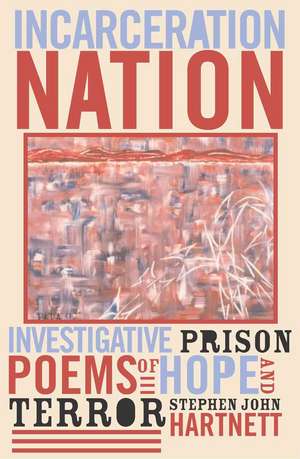
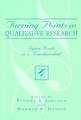
Incarceration Nation: Investigative Prison Poems of Hope and Terror: Crossroads in Qualitative Inquiry
Autor Stephen John Hartnetten Limba Engleză Paperback – 16 mai 2003


Preț: 277.47 lei
Preț vechi: 361.63 lei
-23%
Puncte Express: 416
Carte tipărită la comandă
Livrare economică 07-21 decembrie
Livrare prin curier în România Termenul estimat este afișat lângă disponibilitate.
Transport gratuit de la 400.00 lei Plată online sau ramburs, în funcție de opțiunile comenzii.
Retur gratuit în 14 zile Comandă securizată și suport în română.
Specificații
ISBN-13: 9780759104204
ISBN-10: 0759104204
Pagini: 192
Dimensiuni: 147 x 230 x 13 mm
Greutate: 0.33 kg
Ediția:New.
Editura: Bloomsbury Publishing
Colecția AltaMira Press
Seria Crossroads in Qualitative Inquiry
Locul publicării:New York, United States
ISBN-10: 0759104204
Pagini: 192
Dimensiuni: 147 x 230 x 13 mm
Greutate: 0.33 kg
Ediția:New.
Editura: Bloomsbury Publishing
Colecția AltaMira Press
Seria Crossroads in Qualitative Inquiry
Locul publicării:New York, United States
V-ar putea interesa
-
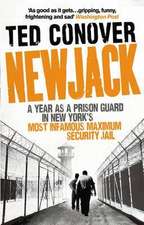 NewjackTed ConoverPreț: 112.29 lei
 -
 Banged Up Abroad: HellholeJames MilesPreț: 119.13 lei
 -
 -15%Preț: 422.47 lei497.01 lei
 -
 The GovernorJohn LonerganPreț: 115.32 lei
 -
 ScrewedRonnie Thompson-26%Preț: 68.38 lei92.64 lei
 -
 Hotel K: The Shocking Inside Story of Bali's Most Notorious JailKathryn Bonella-25%Preț: 59.44 lei79.37 lei
 -
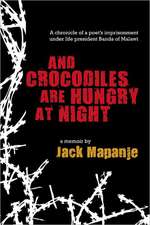 And Crocodiles are Hungry at NightJack Mapanje-27%Preț: 79.79 lei109.87 lei
 -
 -27%Preț: 1577.34 lei2150.98 lei
 -
 Peterhead PorridgeJames Crosbie-17%Preț: 60.43 lei72.69 lei
 -
 Send Them to HellSebastian Williams-18%Preț: 76.08 lei93.06 lei
 -
 The Hate FactoryMr David LesliePreț: 110.27 lei
 -
 Hell's PrisonerChristopher Parnell-21%Preț: 61.27 lei77.43 lei
Cuprins
Chapter 1 Introduction: A Reader's Guide to Investigative Prison Poetry
Chapter 2 Pendleton Poems
Chapter 3 "Do Right and Fear Not!" : Five Meditations on San Quentin
Chapter 4 Perhaps Some Grace
Chapter 5 Emptiness Doesn't Take Notice: Supermax Poems
Chapter 6 Transcending Schelling's Lament
Chapter 7 About the Same as Commercial Fishing
Chapter 8 Love and Death in California
Chapter 9 Visiting Mario
Chapter 10 Karina's Question
Chapter 11 Notes
Chapter 2 Pendleton Poems
Chapter 3 "Do Right and Fear Not!" : Five Meditations on San Quentin
Chapter 4 Perhaps Some Grace
Chapter 5 Emptiness Doesn't Take Notice: Supermax Poems
Chapter 6 Transcending Schelling's Lament
Chapter 7 About the Same as Commercial Fishing
Chapter 8 Love and Death in California
Chapter 9 Visiting Mario
Chapter 10 Karina's Question
Chapter 11 Notes
Recenzii
Incarceration Nation speaks from a big heart, an informed mind, and engaged action. The book is large enough to hold the 'hope and terror' required as we investigate prison. Hartnett honors the names and words of real people living their lives behind' bars, includes the speech of those we pay to guard them, shares what his own eyes have seen, and calls on thinkers and poets from Rousseau to Eugene Debs, from Whitman to Peter Dale Scott. There's even room for music. Without avoiding terror, this book uses words like grace, thankful, and joy-human words born from the choice Hartnett has made: to love.
In this pathbreaking, painful book, using poetry and personal narratives, Stephen Hartnett issues a call for social justice in America's prison system. Certain to be controversial, this powerful book exposes a side of American life that many wish to keep hidden.
Political poetry, even from great artists, is often narrow-focused if not shrill. One of the chief graces of Stephen Hartnett's dazzlingly original book, Incarceration Nation, is the amazing range of subject, mood, thought, and voice within its exploration of America's imprisoning culture. He revives Whitman's vision of America against the countervailing evidence, often by borrowing from prison poets, some grossly over-punished, some never guilty. The suppressed horrors of prison life are intercalated with gruff male humor, compassionate moments with guards, and perspectives from Schelling and Kant. Hartnett does homage to Forché's poetry of witness and Sanders's investigative poetics, but more than either, his is a poetry of engagement, of vision becoming practice. This is a major achievement, with promise of more to come.
In this pathbreaking, painful book, using poetry and personal narratives, Stephen Hartnett issues a call for social justice in America's prison system. Certain to be controversial, this powerful book exposes a side of American life that many wish to keep hidden.
Political poetry, even from great artists, is often narrow-focused if not shrill. One of the chief graces of Stephen Hartnett's dazzlingly original book, Incarceration Nation, is the amazing range of subject, mood, thought, and voice within its exploration of America's imprisoning culture. He revives Whitman's vision of America against the countervailing evidence, often by borrowing from prison poets, some grossly over-punished, some never guilty. The suppressed horrors of prison life are intercalated with gruff male humor, compassionate moments with guards, and perspectives from Schelling and Kant. Hartnett does homage to Forché's poetry of witness and Sanders's investigative poetics, but more than either, his is a poetry of engagement, of vision becoming practice. This is a major achievement, with promise of more to come.