
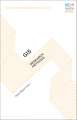
GIS: Research Methods: Bloomsbury Research Methods
Autor Nick Bearmanen Limba Engleză Hardback – 9 dec 2020
| Toate formatele și edițiile | Preț | Express |
|---|---|---|
| Paperback (1) | 127.77 lei 6-8 săpt. | |
| Bloomsbury Publishing – 9 dec 2020 | 127.77 lei 6-8 săpt. | |
| Hardback (1) | 383.94 lei 6-8 săpt. | |
| Bloomsbury Publishing – 9 dec 2020 | 383.94 lei 6-8 săpt. |
Din seria Bloomsbury Research Methods
- 13%
 Preț: 128.58 lei
 - 13%
 Preț: 127.95 lei
 - 13%
 Preț: 127.77 lei
 - 13%
 Preț: 127.48 lei
 - 13%
 Preț: 129.12 lei
 - 8%
 Preț: 121.64 lei
 - 13%
 Preț: 121.92 lei
 - 18%
 Preț: 122.66 lei
 - 13%
 Preț: 122.75 lei
 - 23%
 Preț: 127.77 lei
 - 13%
 Preț: 127.67 lei
 - 27%
 Preț: 127.85 lei
 - 28%
 Preț: 354.55 lei
 - 31%
 Preț: 352.90 lei
 - 31%
 Preț: 354.45 lei
Preț: 383.94 lei
Preț vechi: 547.61 lei
-30% Nou
Puncte Express: 576
Preț estimativ în valută:
67.94€ • 79.67$ • 59.67£
67.94€ • 79.67$ • 59.67£
Carte tipărită la comandă
Livrare economică 05-19 februarie 26
Preluare comenzi: 021 569.72.76
Specificații
ISBN-13: 9781350129566
ISBN-10: 1350129569
Pagini: 192
Dimensiuni: 138 x 216 x 14 mm
Greutate: 0.28 kg
Editura: Bloomsbury Publishing
Colecția Bloomsbury Academic
Seria Bloomsbury Research Methods
Locul publicării:London, United Kingdom
ISBN-10: 1350129569
Pagini: 192
Dimensiuni: 138 x 216 x 14 mm
Greutate: 0.28 kg
Editura: Bloomsbury Publishing
Colecția Bloomsbury Academic
Seria Bloomsbury Research Methods
Locul publicării:London, United Kingdom
Caracteristici
Provides an overview of the various options for using GIS software and is not specifically focused on one type of software.
Notă biografică
Nick Bearman is Teaching Fellow in Geospatial Analysis in the Department of Geography, University College London, UK. He also delivers bespoke GIS training programmes to a wide variety of clients, including universities, public and private sector organisations throughout the UK and the world.
Cuprins
Acknowledgements Series Editor Introduction Introduction: Using GIS in Social Science 1. History2. Creating Maps3. Cartography4. How is Spatial Data Structured?5. GIS Software6. Next StepsReferences GlossaryIndex
Recenzii
Using straightforward language that is easily accessible for all audiences, this book covers the foundational concepts and rigor necessary to understand the importance that GIS has in research. Readers will appreciate the mostly software-agnostic approach and the tips and tricks to address common snags one might stumble across. I would highly recommend this book to anyone who is considering getting started with GIS or works with GIS professionals and wants to have a better, high-level understanding of the technology.