
Engaging with Nature
Editat de Barbara A. Hanawalt, Lisa J. Kiseren Limba Engleză Paperback – 30 iun 2008
Descoperim în această lucrare un proiect intelectual fascinant: recuperarea unei lumi în care natura „se înțelegea de la sine”, fiind fundalul mut, dar omniprezent, al supraviețuirii umane. Analizând modul în care vânătoarea medievală sau primele colecții de obiecte naturale au modelat conștiința europeană, volumul ne propune o incursiune în perioadele în care distincția dintre uman și non-uman era mult mai fluidă și mai încărcată de semnificații religioase decât astăzi. Reținem aici efortul remarcabil de a extrage „vocea” naturii din documente care, la prima vedere, vorbesc despre cu totul altceva: economie, drept sau teologie. Ca și The Medieval Discovery of Nature, acest volum pune accent pe evoluția percepției asupra ordinii naturale, dar cu un stil propriu de analiză interdisciplinară, integrând ecocriticismul și teoria animală într-un mod mult mai aplicat pe sursele vizuale și literare. Considerăm că forța acestei antologii rezidă în capacitatea de a face vizibil ceea ce era, pentru omul medieval, invizibil prin însăși ubicuitatea sa. Engaging With Nature – Essays on the Natural World in Medieval and Early Modern Europe se înscrie perfect în traiectoria academică a Barbarei A. Hanawalt. Dacă în The Ties That Bound autoarea explora structura intimă a familiei țărănești, iar în Ceremony and Civility analiza puterea ritualului urban, aici își extinde privirea către cadrul biologic și ecologic care susținea aceste structuri sociale. Este o continuare firească a interesului său pentru viața cotidiană, demonstrând că nu putem înțelege cu adevărat societatea fără a examina relația sa cu mediul înconjurător.
Preț: 221.19 lei
Carte tipărită la comandă
Livrare economică 26 noiembrie-10 decembrie
Specificații
ISBN-10: 0268030839
Pagini: 246
Ilustrații: 27 b & w
Dimensiuni: 152 x 229 x 14 mm
Greutate: 0.36 kg
Ediția:1st Edition
Editura: University of Notre Dame Press
V-ar putea interesa
-
 -18%Preț: 728.60 lei888.54 lei
 -
 Writing Medieval Women's LivesC. Goldy-15%Preț: 666.48 lei784.09 lei
 -
 The Mirror of Simple SoulsMargaret PorettePreț: 331.10 lei
 -
 The End of ByzantiumJonathan HarrisPreț: 344.82 lei
 -
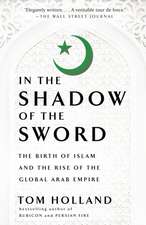 In the Shadow of the SwordTom HollandPreț: 128.13 lei
 -
 Preț: 251.49 lei
 -
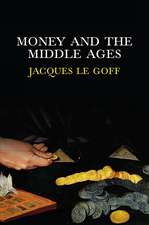 Money and the Middle AgesJacques Le GoffPreț: 176.48 lei
 -
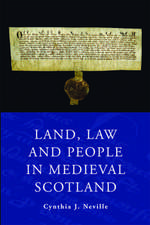 Land, Law and People in Medieval ScotlandCynthia J NevillePreț: 212.94 lei
 -
 Archery in Medieval EnglandRichard Wadge-11%Preț: 135.25 lei151.69 lei
 -
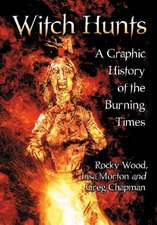 Preț: 156.50 lei
 -
 The Medieval Discovery of NatureSteven A. Epstein-29%Preț: 655.68 lei920.57 lei
 -
 The Maid and the Queen: The Secret History of Joan of ArcNancy Goldstone-26%Preț: 68.95 lei93.65 lei
 -
 Bede: Commentary on RevelationBede BedePreț: 414.05 lei
 -
 The Medieval Christian Philosophers: An IntroductionRichard Cross-21%Preț: 172.25 lei218.56 lei
 -
 The Medieval Kitchen: A Social History with RecipesHannele Klemettilä-7%Preț: 215.33 lei231.70 lei
De ce să citești această carte
Recomandăm această carte cercetătorilor și pasionaților de istorie culturală care doresc să înțeleagă rădăcinile crizei ecologice actuale și modul în care europenii au conceptualizat mediul înainte de revoluția științifică. Cititorul câștigă o perspectivă nuanțată asupra modului în care religia, arta și vânătoarea au definit locul omului în cosmos, oferind instrumente critice pentru a decoda texte istorice dintr-o perspectivă ecocentristă.
Despre autor
Barbara A. Hanawalt este profesor emerit de istorie la Universitatea din Minnesota și o figură centrală în studiile medievale contemporane. Opera sa se concentrează pe istoria socială și culturală a Angliei medievale, cu un interes deosebit pentru comunitățile de țărani, structurile familiale și viața urbană din Londra. Prin lucrări fundamentale precum The Ties That Bound și Living Dangerously, Hanawalt a transformat modul în care înțelegem marginalitatea și ordinea socială, aducând la lumină experiențele cotidiene ale oamenilor obișnuiți prin analize riguroase ale rapoartelor judiciare și ale documentelor de epocă.