
Eco-Folk Rhythms
Autor Lillykutty Abraham Editat de Douglas A Vakochen Limba Engleză Paperback – 19 aug 2027
Eco-Folk Rhythms: A puttinai Analysis of Mavilan Songs explores the deep ecological wisdom embedded in the oral traditions of the Mavilan tribe. Dr. Abraham's pioneering work analyzes Mavilan agricultural, nuptial, and ritual songs through the unique lens of puttinai, an Indigenous theoretical framework derived from ancient Tamil tinai theory. This approach bridges traditional ecocriticism with Indigenous knowledge systems. Based on extensive fieldwork, the book reveals how these songs serve as repositories of sustainable practices and environmental ethics, reflecting deep interconnections among humans, nature, and supernature. Eco-Folk Rhythms advocates for an alternative, non-Western approach to addressing contemporary environmental crises. A vital resource for ecocritical scholarship, anthropology, folklore, and Indigenous studies.
Preț: 337.45 lei
Precomandă
Puncte Express: 506
Carte nepublicată încă
Livrare prin curier în România Precomanda se expediază când titlul devine disponibil.
Transport gratuit de la 400.00 lei Plată online sau ramburs, în funcție de opțiunile comenzii.
Retur gratuit în 14 zile Comandă securizată și suport în română.
Doresc să fiu notificat când acest titlu va fi disponibil:
Se trimite...
Specificații
ISBN-13: 9798216390879
Pagini: 258
Dimensiuni: 152 x 229 x 25 mm
Greutate: 0.45 kg
Editura: BLOOMSBURY ACADEMIC
Pagini: 258
Dimensiuni: 152 x 229 x 25 mm
Greutate: 0.45 kg
Editura: BLOOMSBURY ACADEMIC
V-ar putea interesa
-
 -30%Preț: 442.56 lei627.86 lei
 -
 Nature MattersMona ArshiPreț: 108.47 lei
 -
 -26%Preț: 90.55 lei122.49 lei
 -
 Wild FictionsAmitav Ghosh-24%Preț: 105.83 lei139.60 lei
 -
 Natural ConnectionJoycelyn LongdonPreț: 137.51 lei
 -
 -19%Preț: 98.98 lei121.46 leiRecomandat
 -
 Staying AliveVandana Shiva-31%Preț: 84.59 lei123.13 lei
 -
 -24%Preț: 76.17 lei99.82 leiRecomandat
 -
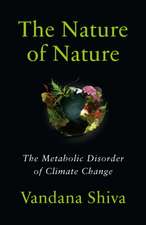 The Nature of NatureVandana ShivaPreț: 105.71 lei
 -
 -33%Preț: 558.25 lei837.65 lei
 -
 The ServiceberryRobin Wall KimmererPreț: 108.03 lei
 -
 -14%Preț: 108.39 lei126.68 lei
 -
 -18%Preț: 88.56 lei108.36 lei
 -
 Called by the HillsAnuradha RoyPreț: 92.91 lei
 -
 Love, Service, Wisdom: The Ancient Inka Path to Inner HarmonyJorge Luis Delgado-21%Preț: 99.49 lei125.24 leiRecomandat
 -
 Preț: 173.30 lei
 -
 Pātaka Kai: Growing kai sovereigntyJessica Hutchings-14%Preț: 250.65 lei292.25 lei
 -
 -16%Preț: 242.12 lei288.06 lei
 -
 Seasonal Matters Rural Relations (ENG edition)Seasonal Neighbours-21%Preț: 174.70 lei221.73 lei
Cuprins
Introduction
Chapter 1: The Mavilan Tribe
Chapter 2: puttinai
Chapter 3: The Mavilan Tribe's Trajectory in and through the tinaikal
Chapter 4: Agricultural Labour Songs
Chapter 5: Nuptial Songs
Chapter 6: Ritual Songs
Chapter 1: The Mavilan Tribe
Chapter 2: puttinai
Chapter 3: The Mavilan Tribe's Trajectory in and through the tinaikal
Chapter 4: Agricultural Labour Songs
Chapter 5: Nuptial Songs
Chapter 6: Ritual Songs
Recenzii
"Lillykutty Abraham is remarkable for braving many firsts -- for compiling the first ever anthology of the songs of the Mavilan tinai (Adivasi) community in the Western Ghats, the first to unveil the integrative tinai (the pre-state lifeway) embodied in their songs, and also to author the first full book applying puttinai theory. Abraham's work is a reaffirmation of the urgent need and momentousness to birth a brave new tinai world, and has the political muscle needed to persuade any conscientious powers-that-be to end the present Anthropocene and usher in the Neotinaicene."
"This is a splendid book: an informed, engaging study of the oral traditions of the Mavilan tribe that highlights their deep ecological wisdom and cultural fortitude. It locates Indigenous knowledge within a deeply textured eco-critical frame through puttinai, as it becomes the narrative point of intersection between theory and lived experience. With the help of extremely detailed field research, the author succeeds in capturing details of not only agricultural, nuptial, and ritual songs but also how these practices have perfected a symbiotic relationship with nature. It symbolizes the resilience of Indian Knowledge Systems in interpreting human-environment interlinkages. Required reading for folklorists, ecocritics, and scholars of Indigenous literatures alike, it paints an engaging picture of the continued relevance of Mavilan oral culture."
"This is a splendid book: an informed, engaging study of the oral traditions of the Mavilan tribe that highlights their deep ecological wisdom and cultural fortitude. It locates Indigenous knowledge within a deeply textured eco-critical frame through puttinai, as it becomes the narrative point of intersection between theory and lived experience. With the help of extremely detailed field research, the author succeeds in capturing details of not only agricultural, nuptial, and ritual songs but also how these practices have perfected a symbiotic relationship with nature. It symbolizes the resilience of Indian Knowledge Systems in interpreting human-environment interlinkages. Required reading for folklorists, ecocritics, and scholars of Indigenous literatures alike, it paints an engaging picture of the continued relevance of Mavilan oral culture."