
Defending a Borderland: Canadian and American Environmental Activism in the St. Lawrence Valley: Environmental History of the Northeast
Autor Neil S. Forkeyen Paperback – 27 feb 2026
On the morning of June 23, 1976, the NEPCO 140 barge, carrying 8.7 million gallons of thick crude oil, ruptured twice while plying the swift straits of the St. Lawrence River’s Thousand Islands region. Before the spill was halted, 300,000 gallons of oil had leaked, polluting eighty miles of the river and ruining shorelines on both the New York and Canadian sides. It was the largest inland oil spill in United States history to that date, and the clean-up took 122 days and cost around $8 million. The disaster also prompted concerned citizens to form Save the River, one of the most enduring environmental organizations in North America.
In Defending a Borderland, environmental historian Neil S. Forkey examines environmental activism along the St. Lawrence River from both sides of the international border. He focuses on the period from the 1970s to the 1990s, when numerous citizen groups activated to protect the natural environment against pollution, development, and other perceived threats. Along with reacting to the “Slick of ’76,” their actions included stopping low-level military flights, preventing government land acquisition to create an extended park, and blocking new power lines through the countryside.
By considering the St. Lawrence Valley—a shared space between Canada, the United States, and Mohawk territory—Forkey brings a rare transnational approach to environmental analysis. He also highlights rural, local, and conservative perspectives, all of which are understudied. Using deep archival research and oral histories, Forkey reveals the myriad ways US and Canadian citizens organized before social media, gathering around kitchen tables, and in school auditoriums, to determine ways to reach government officials and neighbors and make lasting changes to protect the natural areas around them for future generations.
| Toate formatele și edițiile | Preț | Express |
|---|---|---|
| Paperback (1) | 226.12 lei Precomandă | |
| University of Massachusetts Press – 27 feb 2026 | 226.12 lei Precomandă | |
| Hardback (1) | 568.58 lei Precomandă | |
| University of Massachusetts Press – 24 feb 2026 | 568.58 lei Precomandă |





Preț: 226.12 lei
Precomandă
Puncte Express: 339
Preț estimativ în valută:
40.01€ • 46.92$ • 35.14£
40.01€ • 46.92$ • 35.14£
Carte nepublicată încă
Doresc să fiu notificat când acest titlu va fi disponibil:
Se trimite...
Preluare comenzi: 021 569.72.76
Specificații
ISBN-13: 9781625349170
ISBN-10: 1625349173
Pagini: 248
Ilustrații: 9 illus.
Dimensiuni: 152 x 229 mm
Greutate: 0.45 kg
Editura: University of Massachusetts Press
Colecția University of Massachusetts Press
Seria Environmental History of the Northeast
ISBN-10: 1625349173
Pagini: 248
Ilustrații: 9 illus.
Dimensiuni: 152 x 229 mm
Greutate: 0.45 kg
Editura: University of Massachusetts Press
Colecția University of Massachusetts Press
Seria Environmental History of the Northeast
Notă biografică
NEIL S. FORKEY is associate professor of Canadian Studies at St. Lawrence University, where he is also the Archie F. MacAllaster and Barbara Torrey MacAllaster Professor of North Country Studies. He is author of Canadians and the Natural Environment to the Twenty-First Century and Shaping the Upper Canadian Frontier: Environment, Society, and Culture in the Trent Valley, and his writing has appeared in the Canadian Historical Review, the Journal of Canadian Studies/Revue d'études canadiennes, the American Review of Canadian Studies, Forest and Conservation History, Ontario History, and New York History.
Cuprins
List of Illustrations
Preface
List of Abbreviations
Introduction. The “Slick of '76,” the St. Lawrence Borderland, and the Environmental Age
1. “To Live Neath the Line Is a Shocking Affair”: Citizens Get UPSET, 1974–1980
2. Confronting Nuclear Power in Brockville and Prescott, 1976–1980
3. “Why Would We Want to Leave? Where Would We Go?”: Thousand Islands Residents, Parks Canada, and the Complexities of Expansion, 1975–1981
4. Winter Navigation and the Birth of Save the River, 1978–1984
5. “The Wind Has No Boundary”: Anti-incineration Battles, 1983–1990
6. Keeping the North Country's Skies Friendly: The Campaign against Low-Altitude Military Flights, 1989–1992
Conclusion
Notes
Index
Preface
List of Abbreviations
Introduction. The “Slick of '76,” the St. Lawrence Borderland, and the Environmental Age
1. “To Live Neath the Line Is a Shocking Affair”: Citizens Get UPSET, 1974–1980
2. Confronting Nuclear Power in Brockville and Prescott, 1976–1980
3. “Why Would We Want to Leave? Where Would We Go?”: Thousand Islands Residents, Parks Canada, and the Complexities of Expansion, 1975–1981
4. Winter Navigation and the Birth of Save the River, 1978–1984
5. “The Wind Has No Boundary”: Anti-incineration Battles, 1983–1990
6. Keeping the North Country's Skies Friendly: The Campaign against Low-Altitude Military Flights, 1989–1992
Conclusion
Notes
Index
Recenzii
“In this groundbreaking book, Neil Forkey offers a series of stories of Canadian and American environmental activism in an approach that recognizes the St. Lawrence watershed as a transnational region. These are stories that deserve more attention.”—David Stradling, author of The Nature of New York: An Environmental History of the Empire State
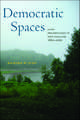
"Defending a Borderland brings out the passions and emotions that ordinary people experienced when a familiar way of life was threatened. Forkey accentuates the diversity in these grassroots mobilization efforts and approaches, finding that when people of different classes, occupations, ages, and backgrounds find common cause, they can prevail over seemingly insurmountable odds.”—Richard W. Judd, author of Democratic Spaces: Land Preservation in New England, 1850–2010
"Defending a Borderland brings out the passions and emotions that ordinary people experienced when a familiar way of life was threatened. Forkey accentuates the diversity in these grassroots mobilization efforts and approaches, finding that when people of different classes, occupations, ages, and backgrounds find common cause, they can prevail over seemingly insurmountable odds.”—Richard W. Judd, author of Democratic Spaces: Land Preservation in New England, 1850–2010