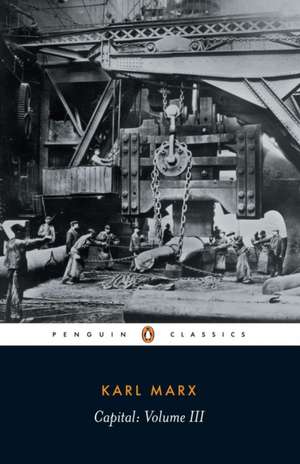
Capital
Autor Karl Marx Traducere de David Fernbachen Limba Engleză Paperback – 2 mar 1993
| Toate formatele și edițiile | Preț | Express |
|---|---|---|
| Paperback (16) | 48.47 lei 3-5 săpt. | +32.24 lei 7-13 zile |
| WORDSWORTH EDITIONS LTD – 5 mai 2013 | 48.47 lei 3-5 săpt. | +32.24 lei 7-13 zile |
| Oxford University Press – 17 apr 2008 | 58.47 lei 20-31 zile | +29.55 lei 7-13 zile |
| Dover Publications – 17 iul 2019 | 86.60 lei 3-5 săpt. | |
| Penguin Publishing Group – mar 1993 | 96.16 lei 26-32 zile | +44.28 lei 7-13 zile |
| Penguin Publishing Group – 2 mar 1993 | 111.28 lei 26-32 zile | +56.37 lei 7-13 zile |
| Penguin Books – 5 mai 1992 | 112.01 lei 26-32 zile | +64.36 lei 7-13 zile |
| Knopf Doubleday Publishing Group – 12 aug 1977 | 131.00 lei 3-5 săpt. | |
| CREATESPACE – | 64.09 lei 3-5 săpt. | |
| CREATESPACE – 30 iun 2010 | 79.72 lei 6-8 săpt. | |
| COSIMO CLASSICS – 31 dec 2012 | 149.99 lei 6-8 săpt. | |
| COSIMO CLASSICS – 2013 | 152.06 lei 6-8 săpt. | |
| CREATESPACE – | 163.10 lei 3-5 săpt. | |
| COSIMO CLASSICS – 2013 | 200.20 lei 6-8 săpt. | |
| COSIMO CLASSICS – 2013 | 204.05 lei 6-8 săpt. | |
| COSIMO CLASSICS – 31 dec 2012 | 212.60 lei 6-8 săpt. | |
| Princeton University Press – 19 mai 2026 | 162.04 lei Precomandă | |
| Hardback (5) | 218.66 lei 6-8 săpt. | |
| COSIMO CLASSICS – 31 dec 2012 | 218.66 lei 6-8 săpt. | |
| COSIMO INC – 2013 | 222.48 lei 6-8 săpt. | |
| Princeton University Press – 17 sep 2024 | 256.98 lei 3-5 săpt. | +112.25 lei 7-13 zile |
| COSIMO INC – 2013 | 300.29 lei 6-8 săpt. | |
| COSIMO CLASSICS – 31 dec 2012 | 309.47 lei 6-8 săpt. |
Preț: 111.28 lei
Preț vechi: 134.65 lei
-17%
Puncte Express: 167
Preț estimativ în valută:
19.66€ • 22.67$ • 17.17£
19.66€ • 22.67$ • 17.17£
Carte disponibilă
Livrare economică 30 aprilie-06 mai
Livrare express 11-17 aprilie pentru 66.36 lei
Specificații
ISBN-13: 9780140445701
ISBN-10: 0140445706
Pagini: 1152
Dimensiuni: 128 x 200 x 50 mm
Greutate: 0.74 kg
Ediția:3rd Revised edition
Editura: Penguin Publishing Group
Locul publicării:London, United Kingdom
ISBN-10: 0140445706
Pagini: 1152
Dimensiuni: 128 x 200 x 50 mm
Greutate: 0.74 kg
Ediția:3rd Revised edition
Editura: Penguin Publishing Group
Locul publicării:London, United Kingdom
V-ar putea interesa
-
 The PrinceNiccolo MachiavelliPreț: 27.52 lei
 -
 The Origins of the Second World WarProfessor A J P TaylorPreț: 89.20 lei
 -
 The Wealth of Nations: Books I-IIIAdam SmithPreț: 90.60 lei
 -
 The Conquest of BreadPeter KropotkinPreț: 75.06 lei
 -
 The Communist ManifestoFriedrich Engels-40%Preț: 16.34 lei27.14 lei
 -
 The Communist ManifestoKarl MarxPreț: 79.25 lei
 -
 The Communist ManifestoKarl Marx-21%Preț: 26.96 lei34.01 lei
 -
 On AnarchismNoam Chomsky-21%Preț: 47.93 lei60.87 lei
 -
 The Accumulation of CapitalRosa LuxemburgPreț: 129.51 lei
 -
 The Amber SpyglassPhilip PullmanPreț: 60.59 lei
 -
 Quo VadisHenryk SienkiewiczPreț: 133.66 lei
 -
 Das KapitalKarl MarxPreț: 109.69 lei
 -
 Preț: 361.06 lei
 -
 -25%Preț: 138.16 lei184.16 lei
 -
 Wealth of NationsAdam SmithPreț: 48.30 lei
 -
 The Revolutions of 1848Karl MarxPreț: 163.88 lei
 -
 -5%Preț: 384.55 lei404.78 lei
 -
 Price TheoryMilton FriedmanPreț: 128.08 lei
 -
 Writings of Rosa LuxemburgRosa LuxemburgPreț: 114.55 lei
 -
 Preț: 124.68 lei
 -
 Eighteenth Brumaire of Louis BonaparteKarl MarxPreț: 128.02 lei
 -
 Der Bürgerkrieg in FrankreichKarl MarxPreț: 97.58 lei
 -
 Preț: 150.26 lei
 -
 Selected EssaysKarl MarxPreț: 141.18 lei
Notă biografică
Karl Marx was born in 1818 in Trier, Germany and studied in Bonn and Berlin. Influenced by Hegel, he later reacted against idealist philosophy and began to develop his own theory of historical materialism. He related the state of society to its economic foundations and mode of production, and recommended armed revolution on the part of the proletariat. Together with Engels, who he met in Paris, he wrote the Manifesto of the Communist Party. He lived in England as a refugee until his death in 1888, after participating in an unsuccessful revolution in Germany.
Ernst Mandel was a member of the Belgian TUV from 1954 to 1963 and was chosen for the annual Alfred Marshall Lectures by Cambridge University in 1978. He died in 1995 and the Guardian described him as 'one of the most creative and independent-minded revolutionary Marxist thinkers of the post-war world.'
Translated by David Fernbach with an introduction by Ernest Mandel
Ernst Mandel was a member of the Belgian TUV from 1954 to 1963 and was chosen for the annual Alfred Marshall Lectures by Cambridge University in 1978. He died in 1995 and the Guardian described him as 'one of the most creative and independent-minded revolutionary Marxist thinkers of the post-war world.'
Translated by David Fernbach with an introduction by Ernest Mandel
Cuprins
Introduction by Ernest Mandel
Preface (Frederick Engels)
BOOK III: THE PROCESS OF CAPITALIST PRODUCTION AS A WHOLE
PART ONE: THE TRANSFORMATION OF SURPLUS-VALUE INTO PROFIT, AND OF THE RATE OF SURPLUS-VALUE INTO THE RATE OF PROFIT
Chapter 1: Cost Price and Profit
Chapter 2: The Rate of Profit
Chapter 3: The Relationship between Rate of Profit and Rate of Surplus-Value
Chapter 4: The Effect of the Turnover on the Rate of Profit
Chapter 5: Economy in the Use of Constant Capital
1. General Considerations
2. Saving on the Conditions of Work at the Workers' Expense
3. Economy in the Generation and Transmission of Power, and on Buildings
4. Utilization of the Refuse of Production
5. Economy through Inventions
Chapter 6: The Effect of Changes in Price
1. Fluctuations in the Price of Raw Material; Their Direct Effects on the Rate of Profit
2. Revaluation and Devaluation of Capital; Release and Tying-Up of Capital
3. General Illustration: The Cotton Crisis 1861-5
Chapter 7: Supplementary Remarks
PART TWO: THE TRANSFORMATION OF PROFIT INTO AVERAGE PROFIT
Chapter 8: Different Compositions of Capital in Different Branches of Production, and the Resulting Variation in Rates of Profit
Chapter 9: Formation of a General Rate of Profit (Average Rate of Profit), and Transformation of Commodity Values into Prices of Production
Chapter 10: The Equalization of the General Rate of Profit through Competition. Market Prices and Market Values. Surplus Profit
Chapter 11: The Effects of General Fluctuations in Wages on the Prices of Production
Chapter 12: Supplementary Remarks
1. The Causes of a Change in the Price of Production
2. The Production Price of Commodities of Average Composition
3. The Capitalist's Grounds for Compensation
PART THREE: THE LAW OF THE TENDENTIAL FALL IN THE RATE OF PROFIT
Chapter 13: The Law Itself
Chapter 14: Counteracting Factors
1. More Intense Exploitation of Labour
2. Reduction of Wages below their Value
3. Cheapening of the Elements of Constant Capital
4. The Relative Surplus Population
5. Foreign Trade
6. The Increase in Share Capital
Chapter 15: Development of the Law's Internal Contradictions
1. General Considerations
2. The Conflict between the Extension of Production and Valorization
3. Surplus Capital alongside Surplus Population
4. Supplementary Remarks
PART FOUR: THE TRANSFORMATION OF COMMODITY CAPITAL AND MONEY CAPITAL INTO COMMERCIAL CAPITAL AND MONEY-DEALING CAPITAL (MERCHANT'S CAPITAL)
Chapter 16: Commercial Capital
Chapter 17: Commercial Profit
Chapter 18: The Turnover of Commercial Capital. Prices
Chapter 19. Money-Dealing Capital
Chapter 20: Historical Material on Merchant's Capital
PART FIVE: THE DIVISION OF PROFIT INTO INTEREST AND PROFIT OF ENTERPRISE
Chapter 21: Interest-Bearing Capital
Chapter 22: Division of Profit. Rate of Interest. "Natural" Rate of Interest
Chapter 23: Interest and Profit of Enterprise
Chapter 24: Interest-Bearing Capital as the Superficial Form of the Capital Relation
Chapter 25: Credit and Fictitious Capital
Chapter 26: Accumulation of Money Capital, and its Influence on the Rate of Interest
Chapter 27: The Role of Credit in Capitalist Production
Chapter 28: Means of Circulation and CApital. The Views of Tooke and Fullarton
Chapter 29: Banking Capital's Component Parts
Chapter 30: Money Capital and Real Capital: I
Chapter 31: Money Capital and Real Capital: II (Continuation)
1. Transformation of Money into Loan Capital
2. Transformation of Capital or Revenue into Money that is Transformed into Loan Capital
Chapter 32: Money Capital and Real Capital: III (Conclusion)
Chapter 33: The Means of Circulation under the Credit System
Chapter 34: The Currency Principle and the English Bank Legislation of 1844
Chapter 35: Precious Metal and Rate of Exchange
1. The Movement of the Gold Reserve
2. The Exchange Rate
Chapter 36: Pre-Capitalist Relations
PART SIX: THE TRANSFORMATION OF SURPLUS PROFIT INTO GROUND-RENT
Chapter 37: Introduction
Chapter 38: Differential Rent in General
Chapter 39: The First Form of Differential Rent (Differential Rent I)
Chapter 40: The Second Form of Differential Rent (Differential Rent II)
Chapter 41: Differential Rent II - First Case: Price of Production Constant
Chapter 42: Differential Rent II - Second Case: Price of Production Falling
1. With the Productivity of the Extra Capital Investment Remaining Constant
2. A Falling Rate of Productivity for the Extra Capital
3. A Rising Rate of Productivity for the Extra Capital
Chapter 43: Differential Rent II - Third Case: Rising Price of Production. Results
Chapter 44: Differential Rent Even on the Poorest Land Cultivated
Chapter 45: Absolute Ground-Rent
Chapter 46: Rent of Buildings. Rent of Mines. Price of Land
Chapter 47: The Genesis of Capitalist Ground-Rent
1. Introduction
2. Labour Rent
3. Rent in Kind
4. Money Rent
5. Share-Cropping and Small-Scale Peasant Ownership
PART SEVEN: THE REVENUES AND THEIR SOURCES
Chapter 48: The Trinity Formula
Chapter 49: On the Analysis of the Production Process
Chapter 50: The Illusion Created by Competition
Chapter 51: Relations of Distribution and Relations of Production
Chapter 52: Classes
Supplement and Addendum to Volume 3 of Capital (Frederick Engels)
1. Law of Value and Rate of Profit
2. The Stock Exchange
Quotations in Languages Other than English and German
Index of Authorities Quoted
General Index
Note on Previous Editions of the Works of Marx and Engels
Chronology of Works by Marx and Engels
Preface (Frederick Engels)
BOOK III: THE PROCESS OF CAPITALIST PRODUCTION AS A WHOLE
PART ONE: THE TRANSFORMATION OF SURPLUS-VALUE INTO PROFIT, AND OF THE RATE OF SURPLUS-VALUE INTO THE RATE OF PROFIT
Chapter 1: Cost Price and Profit
Chapter 2: The Rate of Profit
Chapter 3: The Relationship between Rate of Profit and Rate of Surplus-Value
Chapter 4: The Effect of the Turnover on the Rate of Profit
Chapter 5: Economy in the Use of Constant Capital
1. General Considerations
2. Saving on the Conditions of Work at the Workers' Expense
3. Economy in the Generation and Transmission of Power, and on Buildings
4. Utilization of the Refuse of Production
5. Economy through Inventions
Chapter 6: The Effect of Changes in Price
1. Fluctuations in the Price of Raw Material; Their Direct Effects on the Rate of Profit
2. Revaluation and Devaluation of Capital; Release and Tying-Up of Capital
3. General Illustration: The Cotton Crisis 1861-5
Chapter 7: Supplementary Remarks
PART TWO: THE TRANSFORMATION OF PROFIT INTO AVERAGE PROFIT
Chapter 8: Different Compositions of Capital in Different Branches of Production, and the Resulting Variation in Rates of Profit
Chapter 9: Formation of a General Rate of Profit (Average Rate of Profit), and Transformation of Commodity Values into Prices of Production
Chapter 10: The Equalization of the General Rate of Profit through Competition. Market Prices and Market Values. Surplus Profit
Chapter 11: The Effects of General Fluctuations in Wages on the Prices of Production
Chapter 12: Supplementary Remarks
1. The Causes of a Change in the Price of Production
2. The Production Price of Commodities of Average Composition
3. The Capitalist's Grounds for Compensation
PART THREE: THE LAW OF THE TENDENTIAL FALL IN THE RATE OF PROFIT
Chapter 13: The Law Itself
Chapter 14: Counteracting Factors
1. More Intense Exploitation of Labour
2. Reduction of Wages below their Value
3. Cheapening of the Elements of Constant Capital
4. The Relative Surplus Population
5. Foreign Trade
6. The Increase in Share Capital
Chapter 15: Development of the Law's Internal Contradictions
1. General Considerations
2. The Conflict between the Extension of Production and Valorization
3. Surplus Capital alongside Surplus Population
4. Supplementary Remarks
PART FOUR: THE TRANSFORMATION OF COMMODITY CAPITAL AND MONEY CAPITAL INTO COMMERCIAL CAPITAL AND MONEY-DEALING CAPITAL (MERCHANT'S CAPITAL)
Chapter 16: Commercial Capital
Chapter 17: Commercial Profit
Chapter 18: The Turnover of Commercial Capital. Prices
Chapter 19. Money-Dealing Capital
Chapter 20: Historical Material on Merchant's Capital
PART FIVE: THE DIVISION OF PROFIT INTO INTEREST AND PROFIT OF ENTERPRISE
Chapter 21: Interest-Bearing Capital
Chapter 22: Division of Profit. Rate of Interest. "Natural" Rate of Interest
Chapter 23: Interest and Profit of Enterprise
Chapter 24: Interest-Bearing Capital as the Superficial Form of the Capital Relation
Chapter 25: Credit and Fictitious Capital
Chapter 26: Accumulation of Money Capital, and its Influence on the Rate of Interest
Chapter 27: The Role of Credit in Capitalist Production
Chapter 28: Means of Circulation and CApital. The Views of Tooke and Fullarton
Chapter 29: Banking Capital's Component Parts
Chapter 30: Money Capital and Real Capital: I
Chapter 31: Money Capital and Real Capital: II (Continuation)
1. Transformation of Money into Loan Capital
2. Transformation of Capital or Revenue into Money that is Transformed into Loan Capital
Chapter 32: Money Capital and Real Capital: III (Conclusion)
Chapter 33: The Means of Circulation under the Credit System
Chapter 34: The Currency Principle and the English Bank Legislation of 1844
Chapter 35: Precious Metal and Rate of Exchange
1. The Movement of the Gold Reserve
2. The Exchange Rate
Chapter 36: Pre-Capitalist Relations
PART SIX: THE TRANSFORMATION OF SURPLUS PROFIT INTO GROUND-RENT
Chapter 37: Introduction
Chapter 38: Differential Rent in General
Chapter 39: The First Form of Differential Rent (Differential Rent I)
Chapter 40: The Second Form of Differential Rent (Differential Rent II)
Chapter 41: Differential Rent II - First Case: Price of Production Constant
Chapter 42: Differential Rent II - Second Case: Price of Production Falling
1. With the Productivity of the Extra Capital Investment Remaining Constant
2. A Falling Rate of Productivity for the Extra Capital
3. A Rising Rate of Productivity for the Extra Capital
Chapter 43: Differential Rent II - Third Case: Rising Price of Production. Results
Chapter 44: Differential Rent Even on the Poorest Land Cultivated
Chapter 45: Absolute Ground-Rent
Chapter 46: Rent of Buildings. Rent of Mines. Price of Land
Chapter 47: The Genesis of Capitalist Ground-Rent
1. Introduction
2. Labour Rent
3. Rent in Kind
4. Money Rent
5. Share-Cropping and Small-Scale Peasant Ownership
PART SEVEN: THE REVENUES AND THEIR SOURCES
Chapter 48: The Trinity Formula
Chapter 49: On the Analysis of the Production Process
Chapter 50: The Illusion Created by Competition
Chapter 51: Relations of Distribution and Relations of Production
Chapter 52: Classes
Supplement and Addendum to Volume 3 of Capital (Frederick Engels)
1. Law of Value and Rate of Profit
2. The Stock Exchange
Quotations in Languages Other than English and German
Index of Authorities Quoted
General Index
Note on Previous Editions of the Works of Marx and Engels
Chronology of Works by Marx and Engels
Textul de pe ultima copertă
A classic of early modernism, Capital combines vivid historical detail with economic analysis to produce a bitter denunciation of mid-Victorian capitalist society. It has also proved to be the most influential work in social science in the twentieth century; Marx did for social science what Darwin had done for biology. Millions of readers this century have treated Capital as a sacred text, subjecting it to as many different interpretations as the Bible itself. No mere work of dry economics, Marx's great work depicts the unfolding of industrial capitalism as a tragic drama - with a message which has lost none of its relevance today. This is the only abridged edition to take account of the whole of Capital. It offers virtually all of Volume 1, which Marx himself published in 1867, excerpts from a new translation of 'The Result of the Immediate Process of Production', and a selection of key chapters from Volume 3, which Engels published in 1895.