
Beyond Good and Evil: Dover Thrift Editions
Autor Friedrich Nietzscheen Limba Engleză Paperback – feb 2000
Adresat studenților la filosofie, cercetătorilor în științe umaniste și practicienilor interesați de istoria ideilor, acest volum oferă o sinteză riguroasă a maturității intelectuale a lui Friedrich Nietzsche. Apreciem în mod deosebit modul în care această ediție revizuită de la Dover Publications Inc. păstrează structura fragmentară, dar coerentă a operei originale, permițând cititorului să navigheze printre cele 296 de aforisme care definesc viziunea autorului despre morală și adevăr. Reținem că Beyond Good and Evil funcționează ca o punte critică între lucrările sale timpurii, precum The Joyous Science — unde introduce moartea lui Dumnezeu — și explorările mai dense din fragmentele postume. Dacă în The Use and Abuse of History autorul analiza relația vieții cu trecutul, aici el atacă direct dogmatismul academic, acuzând filosofii că își maschează prejudiciile personale sub sisteme logice complexe. Cartea progresează de la demontarea „prejudecăților filosofilor” către definirea „spiritului liber”, culminând cu o analiză a ceea ce înseamnă noblețea spirituală. Ca alternativă la An Analysis of Friedrich Nietzsche's Beyond Good and Evil de Don Berry pentru cursurile de filosofie continentală, acest volum are avantajul de a prezenta textul primar într-un format accesibil, fără a sacrifica complexitatea intersecțiilor dintre psihologie, religie și politică. Structura sa, care alternează între epigrame scurte și eseuri de câteva pagini, reflectă tranziția de la stilul eseistic la cel polemic, oferind o perspectivă mult mai directă asupra conceptului de voință de putere față de abordările romantice din tinerețea autorului.
Din seria Dover Thrift Editions
- 19%
 Preț: 28.75 lei
 -
 Preț: 42.38 lei
 - 19%
 Preț: 20.14 lei
 - 20%
 Preț: 47.93 lei
 - 18%
 Preț: 85.95 lei
 - 20%
 Preț: 22.71 lei
 - 54%
 Preț: 41.35 lei
 - 50%
 Preț: 17.46 lei
 - 39%
 Preț: 43.26 lei
 -
 Preț: 31.89 lei
 -
 Preț: 122.73 lei
 - 20%
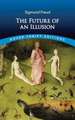 Preț: 22.36 lei
 -
 Preț: 65.43 lei
 - 19%
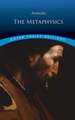 Preț: 68.89 lei
 - 20%
 Preț: 33.64 lei
 - 19%
 Preț: 23.37 lei
 -
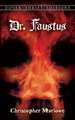 Preț: 32.13 lei
 -
 Preț: 72.29 lei
 -
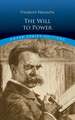 Preț: 71.58 lei
 - 16%
 Preț: 56.24 lei
 - 20%
 Preț: 22.36 lei
 -
 Preț: 24.96 lei
 - 19%
 Preț: 57.71 lei
 - 46%
 Preț: 28.28 lei
 - 19%
 Preț: 47.73 lei
 - 19%
 Preț: 36.96 lei
 - 65%
 Preț: 18.38 lei
 -
 Preț: 50.02 lei
 -
 Preț: 53.48 lei
 - 20%
 Preț: 96.26 lei
 -
 Preț: 36.25 lei
 - 15%
 Preț: 46.86 lei
 - 20%
 Preț: 22.68 lei
 - 20%
 Preț: 22.59 lei
 - 18%
 Preț: 35.42 lei
 -
 Preț: 28.25 lei
 - 55%
 Preț: 20.90 lei
 -
 Preț: 56.06 lei
 - 20%
 Preț: 34.13 lei
 -
 Preț: 59.98 lei
 - 19%
 Preț: 34.37 lei
 -
 Preț: 47.74 lei
 -
 Preț: 26.93 lei
 - 38%
 Preț: 66.97 lei
 - 19%
 Preț: 71.42 lei
 - 15%
 Preț: 38.08 lei
 - 57%
 Preț: 30.06 lei
 - 42%
 Preț: 34.77 lei
 - 19%
 Preț: 48.97 lei
Preț: 40.13 lei
Carte disponibilă
Livrare economică 02-16 noiembrie
Livrare express 16-22 octombrie pentru 18.83 lei
Specificații
ISBN-10: 048629868X
Pagini: 160
Dimensiuni: 133 x 211 x 8 mm
Greutate: 0.13 kg
Ediția:Revised edition
Editura: Dover Publications Inc.
Colecția Dover Thrift Editions
Seria Dover Thrift Editions
Locul publicării:United States
V-ar putea interesa
-
 The Origin of SpeciesCharles DarwinPreț: 28.01 lei
 -
 The Art of UNIX ProgrammingEric Raymond-20%Preț: 304.21 lei380.26 lei
 -
 Discourse on Method and the MeditationsRené DescartesPreț: 92.11 lei
 -
 Existentialism Is a HumanismJean-Paul SartrePreț: 64.12 lei
 -
 The Birth of TragedyFriedrich Nietzsche-50%Preț: 17.46 lei35.16 lei
 -
 The RepublicPlatoPreț: 47.19 lei
 -
 The Genealogy of MoralsFriedrich Nietzsche-20%Preț: 33.64 lei42.17 lei
 -
 The Interpretation of DreamsSigmund FreudPreț: 71.93 lei
 -
 The Will to PowerFriedrich NietzschePreț: 71.58 lei
 -
 Twilight of the IdolsFriedrich Nietzsche-20%Preț: 22.59 lei28.13 lei
 -
 Gay ScienceFriedrich Nietzsche-19%Preț: 48.97 lei60.50 lei
 -
 StirnerMax StirnerPreț: 444.78 lei
 -
 On the Genealogy of MoralityFriedrich NietzschePreț: 39.67 lei
 -
 The Ego and the Id - First Edition TextSigmund FreudPreț: 42.80 lei
 -
 The AntichristFriedrich Wilhelm NietzschePreț: 59.66 lei
 -
 Modern Man in Search of a SoulC. G. JungPreț: 168.21 lei
 -
 Ecce HomoFrederich NietzschePreț: 56.06 lei
 -
 Social Anarchism Or Lifestyle AnarchMurray Bookchin-19%Preț: 34.62 lei42.61 lei
 -
 No Gods No Masters: An Anthology of AnarchismDaniel GuerinPreț: 183.32 lei
 -
 DalíRobert DescharnesPreț: 194.52 lei
De ce să citești această carte
Această ediție este esențială pentru oricine dorește să înțeleagă rădăcinile gândirii moderne și criticii moralității creștine. Cititorul câștigă o introducere directă în conceptele de perspectivism și spirit liber, beneficiind de un text revizuit care facilitează parcurgerea unei materii dense. Este un punct de plecare ideal pentru a explora cum valorile personale modelează marile sisteme de gândire, totul într-un format portabil și accesibil.
Despre autor
Friedrich Nietzsche (1844–1900) a fost un filosof, critic cultural și filolog german, a cărui operă a redefinit istoria intelectuală modernă. Devenit cel mai tânăr profesor de filologie clasică la Universitatea din Basel la doar 24 de ani, Nietzsche s-a retras ulterior din cauza problemelor de sănătate, dedicându-și deceniul următor scrierii operelor sale fundamentale. Stilul său este caracterizat prin utilizarea aforismului și a ironiei, explorând teme precum „moartea lui Dumnezeu”, nihilismul și voința de putere. Opera sa rămâne un pilon al filosofiei continentale, influențând profund existențialismul și postmodernismul.
Descriere
Represents Nietzsche's attempt to sum up his philosophy. In nine parts the book is designed to give the reader a comprehensive idea of Nietzche's thought and style. With an inclusive index of subjects and persons.
Textul de pe ultima copertă
After kicking open the doors to twentieth-century philosophy in Thus Spake Zarathustra, Friedrich Nietzsche refined his ideal of the superman with the 1886 publication of Beyond Good and Evil. Conventional morality is a sign of slavery, Nietzsche maintains, and the superman goes beyond good and evil in action, thought, and creation. Nietzsche especially targets what he calls a "slave morality" that fosters herdlike quiescence and stigmatizes the "highest human types."In this pathbreaking work, Nietzsche's philosophical and literary powers are at their height: with devastating irony and flashing wit he gleefully dynamites centuries of accumulated conventional wisdom in metaphysics, morals, and psychology, clearing a path for such twentieth-century innovators as Thomas Mann, Andre Gide, Sigmund Freud, George Bernard Shaw, Andre Malraux, and Jean-Paul Sartre, all of whom openly acknowledged their debt to him.Students of philosophy and literature as well as general readers will prize this rich sampling of Nietzsche's thought in an unabridged and inexpensive edition of one of the philosopher's most important works.Dover (1997) unabridged republication of the Helen Zimmern translation. Publisher's Introduction."
Notă biografică
Cuprins
Further Reading
Translator's Note
BEYOND GOOD AND EVIL
Preface
Part One: On the Prejudices of Philosophers
Part Two: The Free Spirit
Part Three: The Religious Nature
Part Four: Maxims and Interludes
Part Five: On the Natural History of Morals
Part Six: We Scholars
Part Seven: Our Virtues
Part Eight: People and Fatherlands
Part Nine: What Is Noble?
From High Mountains: Epode
Commentary
Chronology