
Amphion: Lyre, Poetry, and Politics in Modernity: Thinking Literature
Autor Professor Leah Middlebrooken Limba Engleză Hardback – 27 noi 2024
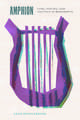
Amphion is the figure in Greek mythology who played so skillfully on a lyre that stones moved of their own accord to build walls for Thebes. While Amphion still presides over music and architecture, he was once fundamental to the concept of lyric poetry. Amphion figured the human power to inspire action, creating and undoing polities by means of language. In contrast to the individual inspiration we associate with the better-known Orpheus, Amphion represents the relentless, often violent, play of harmony and disorder in human social life.
In this wide-ranging study, Leah Middlebrook introduces readers to Amphion-inspired poetics and lyrics and traces the tradition of the Amphionic from the Renaissance through modernist and postmodern poetry and translation from the Hispanic, Anglophone, French, Italian, and ancient Roman worlds. Amphion makes a significant contribution to scholarship on the connection between poetry and politics and the history of the lyric, offering an account well-suited to our times.
| Toate formatele și edițiile | Preț | Express |
|---|---|---|
| Paperback (1) | 183.21 lei 3-5 săpt. | +14.11 lei 7-11 zile |
| University of Chicago Press – 27 noi 2024 | 183.21 lei 3-5 săpt. | +14.11 lei 7-11 zile |
| Hardback (1) | 648.13 lei 6-8 săpt. | |
| University of Chicago Press – 27 noi 2024 | 648.13 lei 6-8 săpt. |





Preț: 648.13 lei
Preț vechi: 841.72 lei
-23%
Puncte Express: 972
Preț estimativ în valută:
114.73€ • 133.26$ • 99.40£
114.73€ • 133.26$ • 99.40£
Carte tipărită la comandă
Livrare economică 03-17 martie
Preluare comenzi: 021 569.72.76
Specificații
ISBN-13: 9780226835518
ISBN-10: 0226835510
Pagini: 208
Ilustrații: 6 halftones
Dimensiuni: 152 x 229 x 20 mm
Greutate: 0.51 kg
Ediția:First Edition
Editura: University of Chicago Press
Colecția University of Chicago Press
Seria Thinking Literature
ISBN-10: 0226835510
Pagini: 208
Ilustrații: 6 halftones
Dimensiuni: 152 x 229 x 20 mm
Greutate: 0.51 kg
Ediția:First Edition
Editura: University of Chicago Press
Colecția University of Chicago Press
Seria Thinking Literature
Notă biografică
Leah Middlebrook is associate professor of comparative literature and Romance languages at the University of Oregon. She is the author of Imperial Lyric: New Poetry and New Subjects in Early Modern Spain, and coeditor of Poiesis and Modernity in the Old and New Worlds.
Cuprins
List of Figures
A Note on Orthography and Translations
Preface: The Myth
Introduction: Clarinda’s Stones
Chapter 1 The Lyre and the World
Chapter 2 Mercurial Translatio: Amphionic Lyric Poetics from Du Bellay to Trevor Joyce
Chapter 3 How to Do Things with Copia
Chapter 4 Amphion in the Americas
Coda: Amphion Dancing
Acknowledgments
Notes
Bibliography
Index
A Note on Orthography and Translations
Preface: The Myth
Introduction: Clarinda’s Stones
Chapter 1 The Lyre and the World
Chapter 2 Mercurial Translatio: Amphionic Lyric Poetics from Du Bellay to Trevor Joyce
Chapter 3 How to Do Things with Copia
Chapter 4 Amphion in the Americas
Coda: Amphion Dancing
Acknowledgments
Notes
Bibliography
Index
Recenzii
“What use is a new myth? What difference could it make to see the history of poetry through the lens of a fictive figure of Amphion, who builds cities with the power of song, rather than through that of Orpheus, whose song pits the power of individual desire against intractable fate? With impressively wide-ranging knowledge and profoundly deep learning, Middlebrook provides a resonant answer. Following Amphion as he appears in direct and fugitive ways, in poetic projects ancient and modern, across boundaries of language and culture, Middlebrook allows us to attend to poetry as an art that belongs to this world; invested and implicated—as we are—in projects of civilizational construction, critique, and renewal.”
“Amphion is a book worth savoring for its brilliant analysis of lyric modes, contexts, and forms. Amphion—the poetic builder whose lyre charmed the stones into creating the city-state of Thebes—is a central figure of the powers of poetry in culture. This book reminds us that Amphion is also a figure presupposing destruction and cultural déchirement: Middlebrook interrogates the place of poetry in times of discord, violence, and disruption. Although Amphion will be especially illuminating for early modernists, anyone interested in lyric poetry or in the place of the arts in the polis will find this book thought-provoking and relevant to our own cultural moment.”