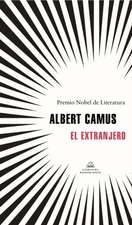
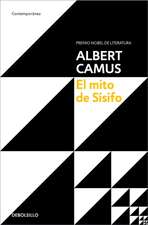
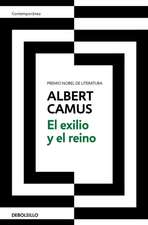
Cărți de Albert Camus

Albert Camus ( kam-OO, US also kə-MOO; French:[albɛʁ kamy] (listen); 7 November 1913 – 4 January 1960) was a French philosopher, author, and journalist. He was awarded the 1957 Nobel Prize in Literature at the age of 44, the second-youngest recipient in history. His works include The Stranger, The Plague, The Myth of Sisyphus, The Fall, and The Rebel.
Camus was born in French Algeria to Pieds Noirs parents. He spent his childhood in a poor neighbourhood and later studied philosophy at the University of Algiers. He was in Paris when the Germans invaded France during World War II in 1940. Camus tried to flee but finally joined the French Resistance where he served as editor-in-chief at Combat, an outlawed newspaper. After the war, he was a celebrity figure and gave many lectures around the world. He married twice but had many extramarital affairs. Camus was politically active; he was part of the left that opposed the Soviet Union because of its totalitarianism. Camus was a moralist and leaned towards anarcho-syndicalism. He was part of many organisations seeking European integration. During the Algerian War (1954–1962), he kept a neutral stance, advocating for a multicultural and pluralistic Algeria, a position that caused controversy and was rejected by most parties.
Philosophically, Camus's views contributed to the rise of the philosophy known as absurdism. He is also considered to be an existentialist, even though he firmly rejected the term throughout his lifetime.
The Stranger
The Plague
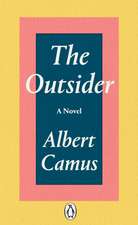
The Outsider
The Fall
Etranger: Alger
Create Dangerously
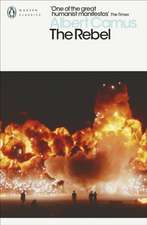
The Rebel
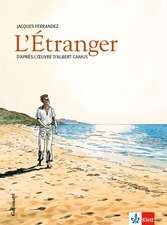
L' Etranger
A Happy Death
La peste
The Fastidious Assassins
L'étranger
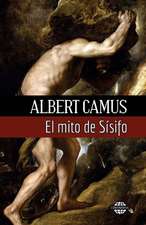
Le Mythe de Sisyphe: de Chateaubriand A Baudelaire
Happy Death
The First Man
La chute
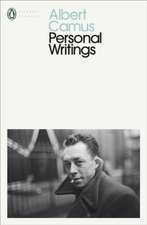
Personal Writings
Notebooks 1935-1942
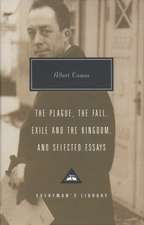
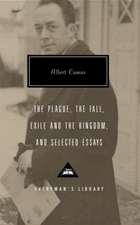
The Plague, the Fall, Exile and the Kingdom, and Selected Essays
Homme Revolte
Resistance, Rebellion, and Death: Essays
Neither Victims Nor Executioners: An Ethic Superior to Murder
Reflections on the Guillotine
L'Etranger - Camus
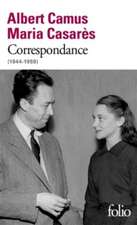
Correspondance: (1944-1959)
L'Etranger
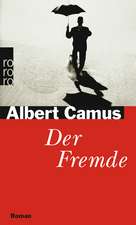
Der Fremde
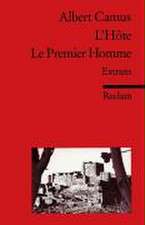
L' Hote. Le Premier Homme
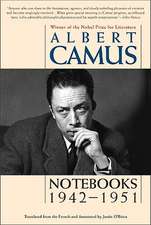
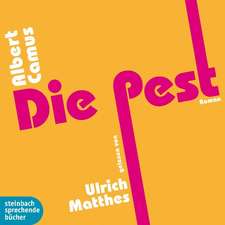
Die Pest
Mort Heureuse N1
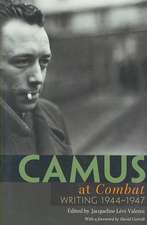
Camus at Combat – Writing 1944–1947
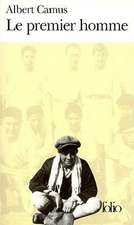
Le premier homme
Exile and the Kingdom
Caligula
Profil d'une oeuvre
Plague, Fall, Exile And The Kingdom And Selected Essays
L' Etranger / Der Fremde. Interpretationshilfe Deutsch - Französisch
Between Hell and Reason: Essays from the Resistance Newspaper Combat, 1944 1947
Correspondence, 1932-1960
Sämtliche Dramen
Briefwechsel 1932-1960
Le Malentendu
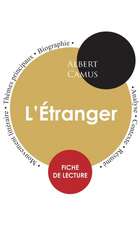
Fiche de lecture L'Étranger de Albert Camus (analyse littéraire de référence et résumé complet)
Caligula
Les Justes
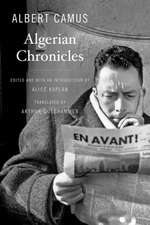
Algerian Chronicles
Der erste Mensch
Exil Et Le Royaume
Peste: Extrait de L'Enracinement
Der Mythos des Sisyphos
Notebooks 1942-1951
Hochzeit des Lichts Neu
Chute
Ete Extraits
Actuelles
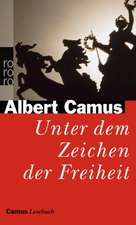
Unter dem Zeichen der Freiheit

Die Mauer
Leben heißt Handeln
Der Mensch in der Revolte
Fragen der Zeit
Justes
Die Pest - Erläuterungen und Materialien
Les Justes
Reflexions Sur La Guilloti
L'Hôte
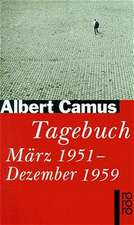
Tagebuch März 1951 - Dezember 1959
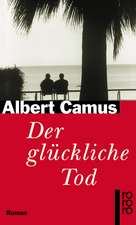
Der glückliche Tod
Reisetagebücher
Verteidigung der Freiheit
Tagebücher 1935 - 1951
Kleine Prosa
Etat de Siege
Committed Writings
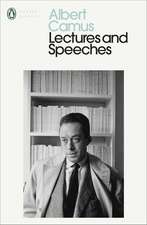
Vorträge und Reden
Der Fall
Das Exil und das Reich
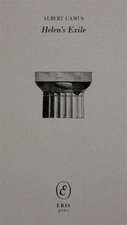
Helen's Exile
Speaking Out: Lectures and Speeches 1937-58
(L'Etranger) The Outsider
The Plague (after La Peste)
L'Étranger
La Peste / The Plague
Mon Cher Amour
Fiche de lecture Les Justes de Albert Camus (Étude intégrale)
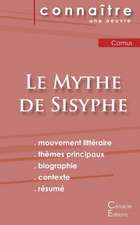
Fiche de lecture Le Mythe de Sisyphe de Albert Camus (Étude intégrale)
Fiche de lecture L'Étranger (Étude intégrale)
La Peste de Albert Camus (fiche de lecture et analyse complète de l'oeuvre)
Fiche de lecture La Chute de Albert Camus (analyse littéraire de référence et résumé complet)
Fiche de lecture La Peste (Étude intégrale)
Les Justes de Camus (fiche de lecture et analyse complète de l'oeuvre)
Scheda libro Lo straniero di Albert Camus (analisi letteraria di riferimento e riassunto completo)
La Caida
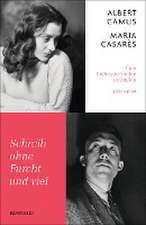
Schreib ohne Furcht und viel
The Possessed
El primer hombre
- 1
- 2