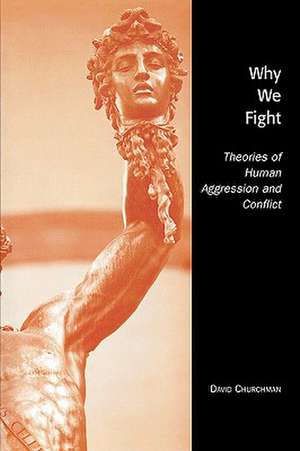
Why We Fight
Autor David Churchmanen Limba Engleză Paperback – 27 sep 2005
| Toate formatele și edițiile | Preț | Express |
|---|---|---|
| Paperback (2) | 267.08 lei 6-8 săpt. | |
| Bloomsbury Publishing – 9 mai 2013 | 267.08 lei 6-8 săpt. | |
| Bloomsbury Publishing – 27 sep 2005 | 405.49 lei 6-8 săpt. |
Preț: 405.49 lei
Preț vechi: 526.62 lei
-23%
Puncte Express: 608
Preț estimativ în valută:
71.78€ • 83.86$ • 62.29£
71.78€ • 83.86$ • 62.29£
Carte tipărită la comandă
Livrare economică 25 februarie-11 martie
Preluare comenzi: 021 569.72.76
Specificații
ISBN-13: 9780761833062
ISBN-10: 0761833064
Pagini: 266
Dimensiuni: 152 x 229 x 16 mm
Greutate: 0.44 kg
Editura: Bloomsbury Publishing
ISBN-10: 0761833064
Pagini: 266
Dimensiuni: 152 x 229 x 16 mm
Greutate: 0.44 kg
Editura: Bloomsbury Publishing
V-ar putea interesa
-
 Ghost GirlTorey HaydenPreț: 88.51 lei
 -
 Protecting Children from Abuse and Neglect in Primary CareMichael J. Bannon-46%Preț: 710.59 lei1306.76 lei
 -
 SlaveryStanley Engerman-7%Preț: 314.02 lei338.03 lei
 -
 -21%Preț: 508.68 lei640.64 lei
 -
 Working with Denied Child Abuse: The Resolutions ApproachAndrew Turnell-30%Preț: 202.31 lei287.03 lei
 -
 The Deepest SouthGerald HornePreț: 281.88 lei
 -
 The Insanity of NormalityArno GruenPreț: 92.16 lei
 -
 Gunst, L: Born Fi' DeadLaurie GunstPreț: 74.78 lei
 -
 Desert ChildrenWaris Dirie-29%Preț: 53.54 lei74.91 lei
 -
 I Choose To LiveSabine DardennePreț: 75.18 lei
 -
 The Drama Of Being A ChildAlice Miller-29%Preț: 53.09 lei74.63 lei
Descriere
Drawing from over twenty academic disciplines, Why We Fight describes more than 100 theoretical explanations for human aggression and conflict and illustrates and evaluates more than 70 methods for managing such conflict.
Cuprins
Preface
Acknowledgments
1. Criteria for Good Theory
Useful
Empirical
Logical
Falsifiable
Parsimonious
Generalizable
2. Conflict Analysis
Three major roles for Mathematics in Conflict Theory
Risk
Prisoners' Dilemma
Bayes's Theorem
Lattice Theory
Pareto Optimization
Strategic Choice
Fair Division
3. The Nature of Man
Aggression
Early Man
Biology of Aggression
Sociobiology
Aggression in Primates
4. Aggression and the Mind
Aggression as Instinct
Frustration-Aggression
Aggression as Learned Behavior
Human Needs Theory
Psychiatric Theories
5. Intellectual Conflict
Man
History
Society
Nature
God
The Importance of Dissent
6. Moral Conflict
The Origins of Morality
Individual Moral Development
Four Forms of Moral Conflict
Managing Moral Conflicts
7. Interpersonal Conflict
Personality and Conflict
Personality Types and their Measurement
The "Generation Gap"
Low Conflict Societies
Family Conflict
Dual Variable Models
Power
Linguistic Models of Communications
Systems Models of Communication
Social Models of Communication
Culture and Interpersonal Conflicts
8. Gender Conflict
Discrimination
Communication Style
Sexual Harassment
Relational Aggression
Women in Peace and War
The Matriarchal Past
9. Organizational Conflict
Organizational Development
Labor-Management Conflict
Leadership
Crisis Management
Competitive Strategy
Law of Unintended Consequences
10. Community Conflict
Class Conflict
Ethnic Conflict
Gangs
Hostage Crises
Conflict and Stress
Wisdom of Crowds
11. Political Conflict
Governmental Systems
Deliberative Assemblies
Voting Systems
Redistricting
Vote Fraud
Tax Systems
Tragedy of the Commons and the Free Rider Problem
12. Causes of War
Reproductive Success
Ecological Equilibrium
Territorial Imperative
Relative Deprivation
Nation-States
Characteristics of States
Number of Bordering State
Polarity
Human Rights
Arms Races
Correlates of War
Expected Utility
13. Just War in Eight Cultures
The Roman Catholic Tradition
The Greek Orthodox Tradition
The Jewish Tradition
The Muslim Tradition
The Hindu Tradition
The Buddhist Tradition
The Chinese Tradition
The Japanese Tradition
Just War Today
14. Interstate Conflict
Origins of War
Types of War
Strategic and Tactical Theory
Strategic Geography
15. Asymmetric Conflict
Economic Warfare
Humanitarian War
Guerilla or Low Intensity Warfare
Terrorism
Counter-terrorism
Piracy
Cyber Warfare
Lawfare
16. The Search for Peace
What is Peace?
Diplomacy
Track II Diplomacy
Department of Peace
Arms Control vs. Peace through Strength
Balance of Power
World Government and Peacekeeping
Pacifism and Nonviolence
Reconciliation
Is Mankind Becoming Increasingly Peaceful?
17. Dispute Resolution
Torts
Negotiation
Distributive Negotiation
Integrative Negotiation
Third-Party Interventions
Large-scale Third Party Intervention
The Agreement Circumplex
18. Putting Conflict Theory to Use
19. Improving Conflict Theory
Appendix: Major Fallacies in Logic
Bibliography
Index
Author Biography
Acknowledgments
1. Criteria for Good Theory
Useful
Empirical
Logical
Falsifiable
Parsimonious
Generalizable
2. Conflict Analysis
Three major roles for Mathematics in Conflict Theory
Risk
Prisoners' Dilemma
Bayes's Theorem
Lattice Theory
Pareto Optimization
Strategic Choice
Fair Division
3. The Nature of Man
Aggression
Early Man
Biology of Aggression
Sociobiology
Aggression in Primates
4. Aggression and the Mind
Aggression as Instinct
Frustration-Aggression
Aggression as Learned Behavior
Human Needs Theory
Psychiatric Theories
5. Intellectual Conflict
Man
History
Society
Nature
God
The Importance of Dissent
6. Moral Conflict
The Origins of Morality
Individual Moral Development
Four Forms of Moral Conflict
Managing Moral Conflicts
7. Interpersonal Conflict
Personality and Conflict
Personality Types and their Measurement
The "Generation Gap"
Low Conflict Societies
Family Conflict
Dual Variable Models
Power
Linguistic Models of Communications
Systems Models of Communication
Social Models of Communication
Culture and Interpersonal Conflicts
8. Gender Conflict
Discrimination
Communication Style
Sexual Harassment
Relational Aggression
Women in Peace and War
The Matriarchal Past
9. Organizational Conflict
Organizational Development
Labor-Management Conflict
Leadership
Crisis Management
Competitive Strategy
Law of Unintended Consequences
10. Community Conflict
Class Conflict
Ethnic Conflict
Gangs
Hostage Crises
Conflict and Stress
Wisdom of Crowds
11. Political Conflict
Governmental Systems
Deliberative Assemblies
Voting Systems
Redistricting
Vote Fraud
Tax Systems
Tragedy of the Commons and the Free Rider Problem
12. Causes of War
Reproductive Success
Ecological Equilibrium
Territorial Imperative
Relative Deprivation
Nation-States
Characteristics of States
Number of Bordering State
Polarity
Human Rights
Arms Races
Correlates of War
Expected Utility
13. Just War in Eight Cultures
The Roman Catholic Tradition
The Greek Orthodox Tradition
The Jewish Tradition
The Muslim Tradition
The Hindu Tradition
The Buddhist Tradition
The Chinese Tradition
The Japanese Tradition
Just War Today
14. Interstate Conflict
Origins of War
Types of War
Strategic and Tactical Theory
Strategic Geography
15. Asymmetric Conflict
Economic Warfare
Humanitarian War
Guerilla or Low Intensity Warfare
Terrorism
Counter-terrorism
Piracy
Cyber Warfare
Lawfare
16. The Search for Peace
What is Peace?
Diplomacy
Track II Diplomacy
Department of Peace
Arms Control vs. Peace through Strength
Balance of Power
World Government and Peacekeeping
Pacifism and Nonviolence
Reconciliation
Is Mankind Becoming Increasingly Peaceful?
17. Dispute Resolution
Torts
Negotiation
Distributive Negotiation
Integrative Negotiation
Third-Party Interventions
Large-scale Third Party Intervention
The Agreement Circumplex
18. Putting Conflict Theory to Use
19. Improving Conflict Theory
Appendix: Major Fallacies in Logic
Bibliography
Index
Author Biography
Recenzii
This book by D. A. Churchman is perhaps the ultimate multidisciplinary view of conflict at every level from the family to the family of nations. It is a must for anyone interested in knowing more about the sources of conflict, its essence, and the ways to deal with it.
Why We Fight offers new insights into these timeless issues. I find it extremely useful as I deal with business opportunities and challenges daily throughout Europe where history and culture play such tremendous roles in the way business is done in each country. It is a remarkable book that is very well written. I highly recommend it to anyone involved in international business.
The suggested criteria presented in this study. should be engaged by all of us who research and write in the field of conflict studies.
Why We Fight offers new insights into these timeless issues. I find it extremely useful as I deal with business opportunities and challenges daily throughout Europe where history and culture play such tremendous roles in the way business is done in each country. It is a remarkable book that is very well written. I highly recommend it to anyone involved in international business.
The suggested criteria presented in this study. should be engaged by all of us who research and write in the field of conflict studies.